7 Key Factors Driving Employee Satisfaction in Multicultural Teams
7 Key Factors Driving Employee Satisfaction in Multicultural Teams 8 min read. Are you looking to boost satisfaction levels and enhance the overall experience within your diverse workforce? Concentrate on these seven crucial areas to nurture a more inclusive and harmonious work environment, ultimately leading to heightened employee engagement and improved team dynamics The 7 […]
7 Key Factors Driving Employee Satisfaction in Multicultural Teams
8 min read.
Are you looking to boost satisfaction levels and enhance the overall experience within your diverse workforce? Concentrate on these seven crucial areas to nurture a more inclusive and harmonious work environment, ultimately leading to heightened employee engagement and improved team dynamics
The 7 areas we need to look at:
- Cultural understanding
- Cross-cultural communication
- Inclusive leadership
- Conflict resolution
- Fair recognition
- Work-life balance
- Growth opportunities
Why it matters:
• Happy employees are 13% more productive
• Unhappy workers cost $8.8 trillion in lost productivity yearly
• 80% of U.S. workers prefer diverse, inclusive companies
Let’s take a peek at the factors at play, their impacts and the consequent challenges involved:
Table of Contents
|
Factor
|
Impact
|
Challenge
|
|---|---|---|
|
Cultural understanding
|
Improves teamwork
|
Requires training
|
|
Communication
|
Boosts collaboration
|
Language barriers
|
|
Leadership
|
Sets inclusive tone
|
Expectation gaps
|
|
Conflict resolution
|
Strengthens teams
|
Time-consuming
|
|
Recognition
|
Increases morale
|
Cultural differences
|
|
Work-life balance
|
Improves retention
|
Varying expectations
|
|
Growth opportunities
|
Engages employees
|
Can be costly
|
Let’s dive into how these factors can create happier, more productive multicultural teams.
Related video from YouTube
Understanding Different Cultures
In today’s global workplace, cultural knowledge is crucial. Here’s why it matters and how it helps:
Why it’s important:
• Improves teamwork
• Makes people feel valued
• Sparks new ideas
How it helps:
- Better communication
Knowing cultural backgrounds prevents misunderstandings. In some cultures, direct feedback is normal. In others, it’s rude.
- More trust
Understanding differences builds trust. This leads to open discussions and teamwork.
- Higher engagement
When people feel respected, they’re more engaged. This boosts team morale and productivity.
- Smarter decisions
Culturally aware teams make better choices by considering different views.
A study found companies with high diversity were 24% more profitable than others.
Quick tips:
• Ask about coworkers’ cultural practices
• Attend cultural awareness training
• Celebrate diverse holidays as a team
2. Ways to Communicate
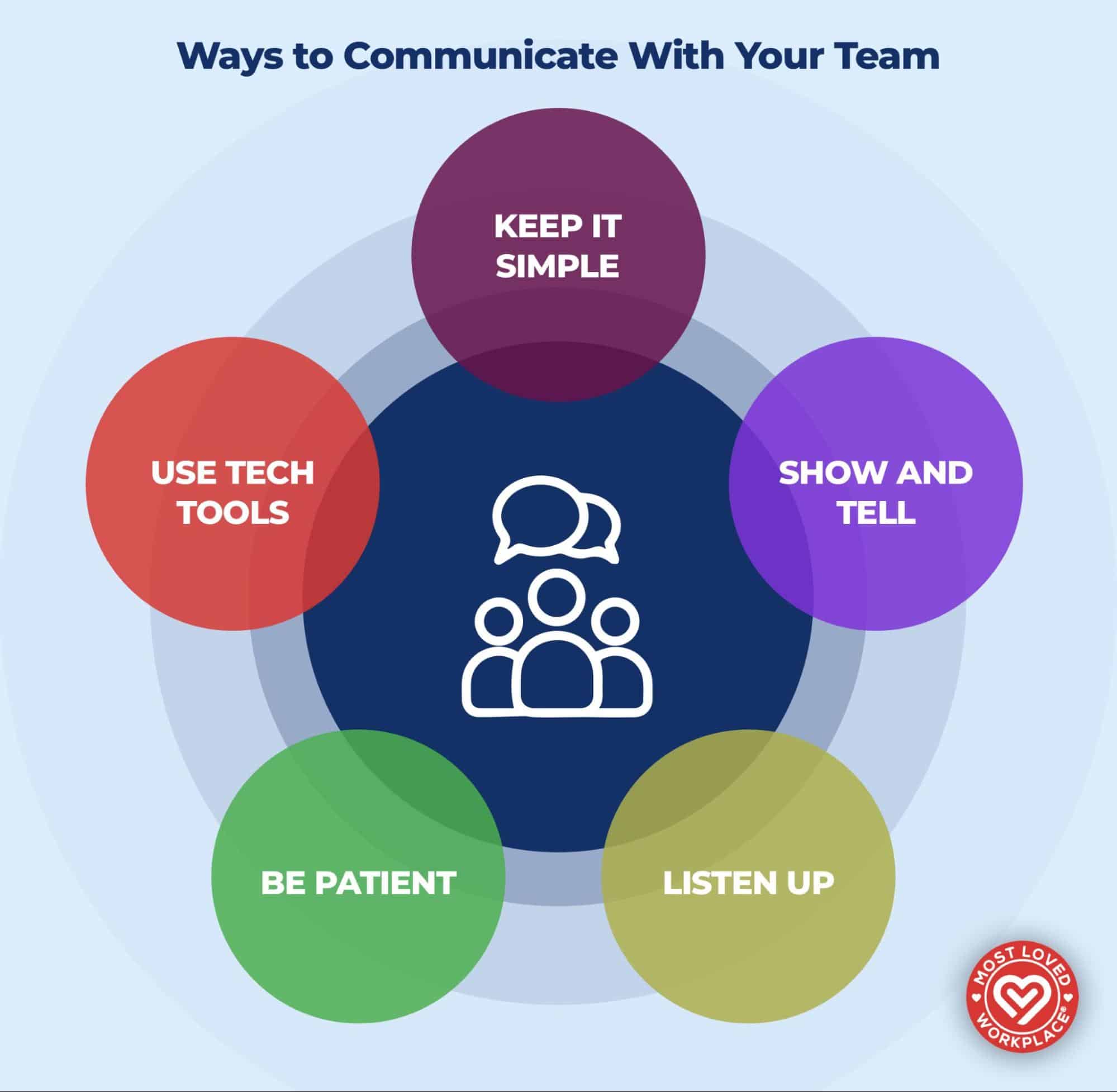
Good communication is crucial for happy teams, especially in multicultural settings. Here’s how to make it work:
Keep it simple
Use clear, easy language. Skip complex words that might confuse non-native speakers.
Show and tell
Use visuals to explain ideas. Graphs, charts, and pictures can bridge language gaps.
Listen up
Pay attention when others speak. Ask questions to ensure understanding.
Be patient
Give people time to express themselves, especially if English isn’t their first language.
Use tech tools
Translation apps and video calls can boost team communication.
Here’s a quick guide for multicultural teams:
|
Dos
|
Don’ts
|
|---|---|
|
Use simple language
|
Use slang or idioms
|
|
Speak clearly, normal pace
|
Speak louder or slower to non-natives
|
|
Ask for clarification
|
Assume everyone understands
|
|
Use visual aids
|
Rely only on verbal communication
|
|
Be open to different styles
|
Expect everyone to communicate like you
|
Good communication takes practice. Learn from your teammates and their cultures.
“Cultural differences across global teams are one of your biggest assets. They are not disadvantages that will slow you down or hinder your business growth; they are your strengths that fuel innovation, creativity, and market reach through diverse perspectives from their unique cultural lenses.“
This quote shows why good communication in multicultural teams matters. When done right, it leads to better ideas and stronger teamwork.
3. How Leaders Act
Leaders make or break multicultural team happiness. Here’s how they do it:
Lead by example
Leaders must walk the diversity talk:
• Treat everyone fairly
• Listen to all viewpoints
• Call out bias
Adapt leadership style
Smart leaders switch styles based on their team’s cultural mix. Some cultures like direct talk, others prefer subtlety. Flexible leaders win.
Build trust
Trust glues multicultural teams together. Leaders build it by:
• Being open and honest
• Keeping promises
• Respecting cultural differences
Encourage feedback
Good leaders create feedback channels:
• One-on-one meetings
• Anonymous suggestions
• Team brainstorms
Promote learning
Help team members understand each other’s cultures:
• Cross-cultural training
• Team-building activities
• Cultural holiday celebrations
Address issues quickly
Tackle problems fast and fair. Ignoring them breeds resentment.
Real-world impact
Inclusive leadership pays off:
|
Benefit
|
Impact
|
|---|---|
|
Employee engagement
|
30% higher
|
|
Earnings per share
|
147% better than competitors
|
|
30% increase
|
These numbers show leadership’s huge effect on team happiness and company success.
“Successful management in a modern environment demands cross-cultural competency.” – Rodica Rosu and Sunita Sehmi, InterNations
Today’s leaders must master cross-cultural skills to keep teams happy and productive.
4. Solving Problems Between People
Conflicts in multicultural teams? They happen. But handling them right keeps your team happy and productive. Here’s how:
Catch Problems Early
Multicultural teams often have hidden tensions. Train your people to spot the subtle signs.
Talk It Out
When issues pop up:
• Have private chats
• Listen without judging
• Try to see their side
Step-by-Step Problem Solving
- What’s the Real Issue?
Is it about work styles? Communication? Values? Dig deep.
- Hear Everyone Out
Use one-on-ones, team meetings, or anonymous feedback. Let people share.
- Find Common Ground
Look for shared goals. It bridges cultural gaps.
- Brainstorm Solutions
Work together to find fixes that work for everyone.
- Check Back In
Follow up later. Did things improve?
Culture Matters in Problem-Solving
Different cultures approach problems differently:

Building a Thriving Workplace Culture!
Discover how to leverage the right technology and implement a proactive strategy that cultivates talent and facilitates team collaboration.
|
Culture Type
|
Problem-Solving Style
|
|---|---|
|
Group-focused
|
Authority figures lead
|
|
Individual-focused
|
Everyone chips in
|
|
High-context
|
Use gut feelings and observation
|
|
Low-context
|
Prefer hard data and analysis
|
The Payoff of Good Conflict Resolution
Solving conflicts well? It’s worth it:
|
Benefit
|
Impact
|
|---|---|
|
Team performance
|
Up 17%
|
|
Employee retention
|
18x more likely to stay
|
Learn and Improve
After each conflict:
• Reflect on what happened
• Update your approach
• Share lessons with the team
Handling conflicts well isn’t just nice – it’s crucial for your team’s success.
5. Praising and Rewarding Work
Praising and rewarding work keeps employees happy, especially in multicultural teams. Here’s how to do it right:
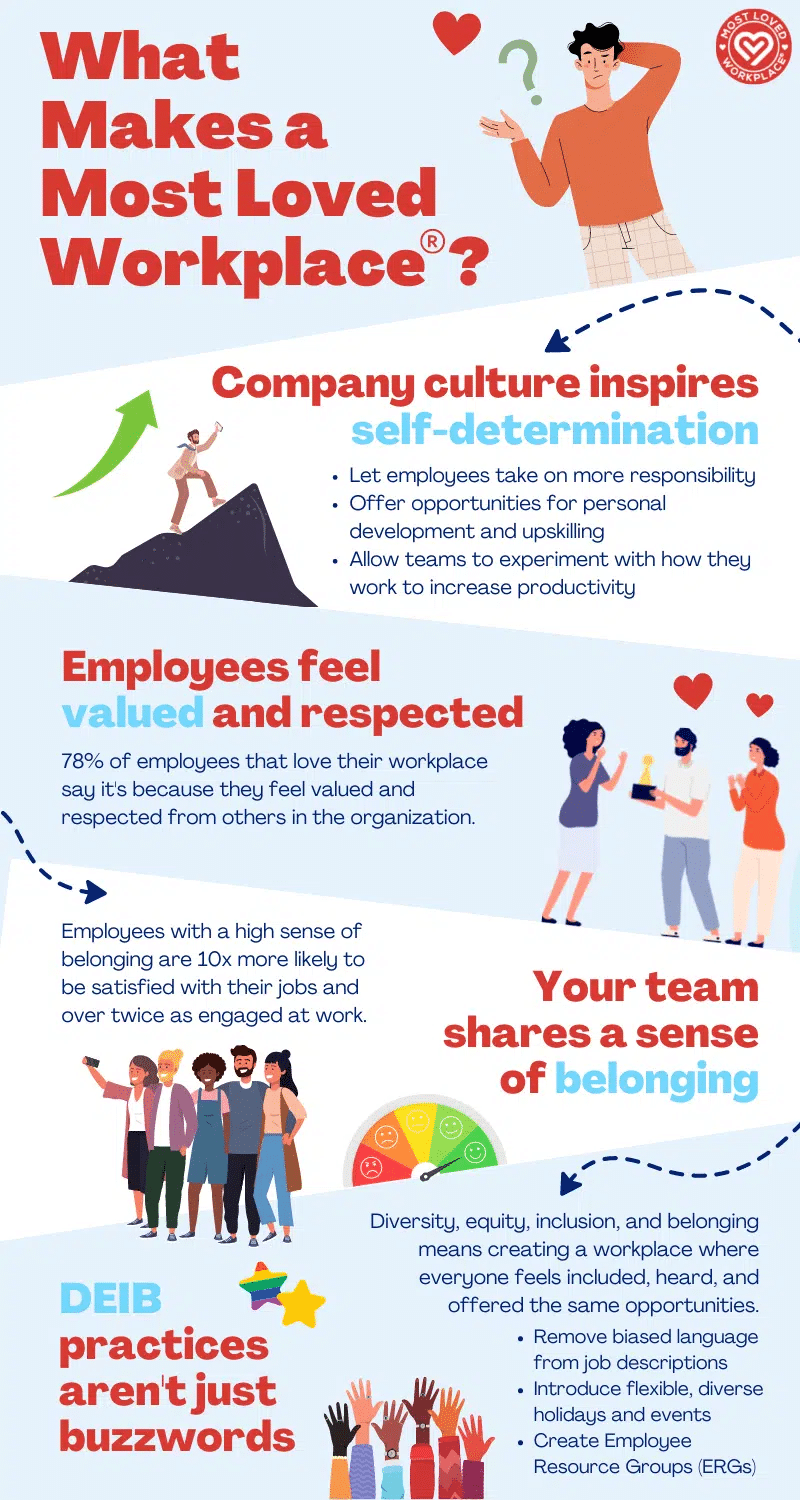
Know Your Team’s Culture
Different cultures prefer different types of praise:
|
Culture
|
Top Recognition Method
|
|---|---|
|
Chinese
|
Verbal praise (55.3%)
|
|
Brazilian
|
Verbal praise (61.2%)
|
|
Thai
|
Acts of service (44.7%)
|
|
Turkish
|
Acts of service (38.2%)
|
Mix It Up
Don’t stick to one method. Use a variety:
• Words of praise
• Quality time
• Helping out
• Small gifts
• A pat on the back (when appropriate)
Be Clear and Quick
Vague praise falls flat. Be specific about what you’re praising and do it promptly.
Encourage Peer Recognition
Atlassian‘s Kudos program is a great example. Last year, employees gave out 56,000 Kudos to each other.
It’s Not All About Money
Surprisingly, a study found that 31% of UK workers wanted better treatment, more praise, and feeling valued over a raise.
Public vs. Private Praise
Some love the spotlight, others don’t. Know your team’s preferences.
Celebrate All Wins
Hilcorp Energy switched from “Big Wins” to “Hilcorp Win” to celebrate all victories, big and small.
Ask What Works
Don’t guess. Ask your team how they want to be recognized.
Good recognition does more than boost moods. Companies that do it well see:
• 14% higher employee engagement
• 21% greater profitability
• 2.6x more likely fair promotions
6. Balancing Work and Personal Life
Work-life balance is key for employee satisfaction, especially in multicultural teams. Here’s how it impacts happiness:
Global Balance Views
Work-life balance varies worldwide:
|
Country
|
Balance Approach
|
|---|---|
|
New Zealand
|
76% workers satisfied, 90% get family event time off
|
|
Denmark
|
37-hour work week, 2% work long hours
|
|
Netherlands
|
Top OECD balance, 0.04% work very long hours
|
|
Japan
|
Long hours norm, average 1,644 hours yearly
|
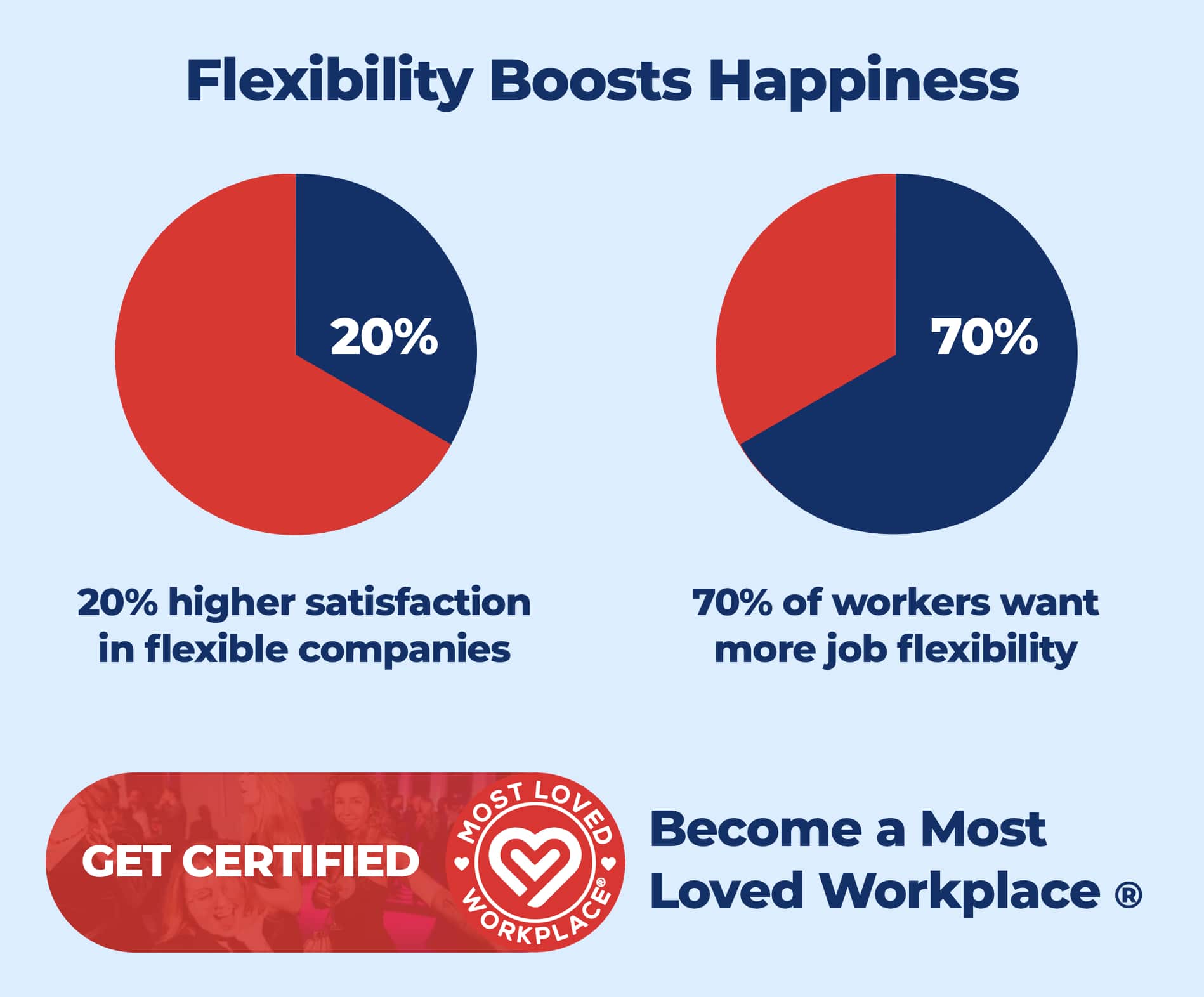
Flexibility Boosts Happiness
Flexible work options increase satisfaction:
• 20% higher satisfaction in flexible companies
• 70% of workers want more job flexibility
Vacation Time Matters
Time off varies greatly:
•Netherlands: 21-35 days minimum for full-time
• US: No legal minimum (often 10 days)
More vacation often equals happier workers.
Cultural Work Values
Work importance differs culturally:
• US/UK: Hard workers often have better balance
• Japan: “Karoshi” (overwork death) shows extreme focus
Company Actions
- Offer flexible hours and remote work
- Provide adequate vacation
- Honor local holidays
- Train managers on cultural differences
Real-World Success
Spain’s Software Delsol tried a 4-day week without pay cuts. Result? Improved well-being and productivity.
Ask Your Team
Don’t assume. Use surveys or meetings to understand work-life balance needs.
Good balance leads to:
• Less burnout
• Higher productivity
• Happier employees
7. Chances to Learn and Grow
Learning and growth opportunities are a big deal for employees. Here’s why they matter and how to make them work:
Why It’s Important
People want to get better at their jobs:
• 70% say their employers offer professional development
• 94% would stick around longer if companies invest in their learning
How to Do It
- Personalized plans
Team up with employees to set goals they care about. It’s a win-win.
- Mix it up
Offer different ways to learn:
• Workshops
• Online courses
• Mentoring
• Job rotations
- Make time
Set aside hours for learning. Google lets employees spend one day a week on side projects.
- Show appreciation
Celebrate when people learn new skills. Try:
• Shout-outs in meetings
• Bonuses
• New responsibilities
- Share knowledge
Encourage team members to teach each other through:
• Lunch and learns
• Internal wikis
• Cross-cultural exchanges
Real Results
Companies that invest in learning see it pay off:
For Multicultural Teams
- Teach cultural skills
- Share different viewpoints
- Learn from each other’s traditions
“Working with people from around the world is like a free lesson in diversity.” – Jay Chen Liu, Hult Master of International Marketing
Good and Bad Points
Let’s break down the pros and cons of key factors driving employee satisfaction in multicultural teams:
|
Factor
|
Pros
|
Cons
|
|---|---|---|
|
Cultural Understanding
|
- Sparks creativity
- Improves market insights - Attracts talent |
- Misunderstandings
- Extra training needed - Stereotyping risk |
|
Communication
|
- Fresh ideas
- Better problem-solving |
- Language barriers
- Clashing styles |
|
Leadership
|
- Inspires diverse teams
- Sets inclusive tone |
- Can worsen divides
- Expectation gaps |
|
Conflict Resolution
|
- Strengthens teams
- Builds skills |
- Time-consuming
- Stressful |
|
Recognition
|
- Boosts morale
- Shows appreciation |
- Cultural differences
- Favoritism concerns |
|
Work-Life Balance
|
- Job satisfaction
- Employee retention |
- Time zone issues
- Varying expectations |
|
Growth Opportunities
|
- Engagement
- Skilled workforce |
- Costly
- Underutilization |
Real-World Examples:
- Cultural Understanding
L’Oréal’s multicultural product teams cracked new markets with fresh ideas and local insights.
- Communication
Bayer’s eLearning bridged cultural communication gaps.
- Recognition
A sales company’s $500 per manager training investment led to a 46% sales win increase.
“Working with people from around the world is like a free lesson in diversity.” – Jay Chen Liu, Hult Master of International Marketing
Final Thoughts
Keeping employees happy in multicultural teams is crucial. Here’s what companies can do:
- 1. Build an inclusive culture
Companies with welcoming environments see big wins. In fact, 81% of workers in inclusive cultures are happy at work – 3 times more than those who don’t feel included.
- 2. Focus on communication
Clear communication is key. Bayer used eLearning to bridge cultural gaps in their teams.
- 3. Train leaders
Leaders set the tone. One sales company spent $500 per manager on training and saw a 46% jump in sales wins.
- 4. Address issues quickly
Don’t let problems grow. Tackle them head-on to create a safe space for everyone.
- 5. Recognize and reward fairly
Be aware of cultural differences in recognition. What works in one culture might flop in another.
- 6. Support work-life balance
This can be tricky with global teams. Be flexible with time zones and cultural norms.
- 7. Offer growth chances
Investing in employee development boosts engagement and builds skills.
|
Action
|
Benefit
|
|---|---|
|
Build inclusive culture
|
3x higher job happiness
|
|
Invest in communication
|
Better teamwork
|
|
Train leaders
|
Up to 46% performance boost
|
|
Address issues promptly
|
Safer work environment
|
|
Fair recognition
|
Higher morale
|
|
Support work-life balance
|
|
|
Offer growth chances
|
More engaged workforce
|
Diversity alone isn’t enough. It’s about creating an environment where everyone can thrive. As Ashley Dartnell, Global Diversity, Equity, and Inclusion Senior Director, says:
“By ensuring that all employees feel free to be themselves—and that their diversity itself is valued—organizations will be rewarded with healthier, happier, and ultimately more productive workforces.”
FAQs
What are the challenges of a multicultural workforce?
Managing a multicultural workforce isn’t a walk in the park. Here’s what you’re up against:
- Language barriers: Even with English as a common language, cultural contexts can muddy the waters.
- Legal headaches: Visas and international employment laws? It’s a maze.
- Culture clashes: Different work styles and etiquette can spark conflicts.
- Team friction: Stereotypes and prejudice can throw a wrench in team dynamics.
- Silent signals: Body language and personal space vary across cultures, leading to misunderstandings.
How can companies tackle these issues? Try these:
• Set clear communication guidelines
• Offer cross-cultural training
• Foster open talks about cultural differences
• Tweak hiring and onboarding for diversity
Richard Brislin, who wrote “Working with Cultural Differences“, puts it this way:
“Even though the challenges of extensive intercultural contact are formidable, they can be overcome if people understand the sources of cultural differences and understand a range of behavioral responses to deal with them.“
It’s tough, but with the right approach, you can turn these challenges into strengths.
Take the next step on your employer brand
Three ways to move from reading to results. Pick what fits your stage.
Run your CertCheck report
See how AI systems currently describe your employer brand to candidates.
Get My Free ReportApply for certification
Measure your organization on the Love of Workplace Index® and join 1,800+ certified companies.
Start ApplicationTalk to a Strategic Advisor
Walk through your Employer Branding & Certification Insights report with a specialist.
Keep reading

Building a Caregiver-Friendly Workplace: Why It Matters More Than Ever
Building a Caregiver-Friendly Workplace: Why It Matters More Than Ever Direct Answer A caregiver-friendly workplace is an organization that designs policies, manager practices, and measurement systems to support employees with ongoing caregiving responsibilities while maintaining productivity and retention. Research shows caregiving affects a majority of full-time employees and directly reduces work hours, focus, and retention […]
How Most Loved Workplaces® Support Working Parents in the Modern Workplace
How Most Loved Workplaces® Support Working Parents in the Modern Workplace Why Family Support Matters in Today’s Workplace Most Loved Workplace®–certified organizations recognize that working parents face persistent challenges in balancing professional and family responsibilities. Research from Deloitte shows that 95% of women say workplace flexibility is critical to managing work and home demands. When […]
Employee Well-Being Strategy: Building a Workplace Where People Thrive
Employee Well-Being Strategy: Building a Workplace Where People Thrive Employee well-being is no longer a “nice to have.” It is becoming a core part of how companies protect performance, retain talent, and earn trust. Workplace stress is already widespread. The American Psychological Association’s 2023 Work in America survey found that 77% of workers reported work-related […]