
Being a Good Boss: 9 Ways To Become A Leader That’s Loved by Your Employees
Being a Good Boss: 9 Ways To Become A Leader That’s Loved by Your Employees The difference between a good boss and a great one lies in something more powerful than money: emotional connection. While competitive salaries matter, our research at Most Loved Workplace® shows that truly exceptional leaders create environments where employees feel valued, […]

Being a Good Boss: 9 Ways To Become A Leader That's Loved by Your Employees
The difference between a good boss and a great one lies in something more powerful than money: emotional connection. While competitive salaries matter, our research at Most Loved Workplace® shows that truly exceptional leaders create environments where employees feel valued, understood, and emotionally connected to their work.
Did you know that 82% of employees expect their employers to support work-life balance? (Source)
This isn’t just feel-good theory – it’s backed by science. Through our machine learning model that analyzes employee sentiment and emotion, we’ve discovered that leadership success isn’t just about making decisions or hitting targets. It’s about creating an emotional bond that transforms ordinary workplaces into environments where people genuinely want to contribute their best.
- • The Foundation: Empathy and Emotional Intelligence
- • Building Trust Through Integrity
- • Mastering Communication
- • Developing Leadership Confidence
- • Employee Empowerment Strategies
- • Creating a Positive Work Environment
- • Measuring Leadership Success
- • Implementation Guide
- • Wrapping Up
Why Traditional Leadership Approaches Fall Short:
- • They focus too heavily on authority over influence
- • They prioritize short-term results over long-term engagement
- • They overlook the crucial role of emotional intelligence
As the founder of Most Loved Workplace®, I’ve spent years studying what makes employees truly connect with their leaders. The answer isn’t in management textbooks – it’s in understanding the psychology of workplace relationships and applying proven emotional insights. Ready to transform your leadership approach?
Let’s explore the nine essential ways you can become a leader who’s genuinely loved by their team – and why it matters more than ever in today’s workplace.
The Foundation: Empathy and Emotional Intelligence
Let’s start with a fundamental truth: empathy isn’t just a “soft skill” – it’s the cornerstone of effective leadership. Our research shows that leaders who master emotional intelligence create stronger, more engaged teams that consistently outperform their peers.
Understanding Emotional Intelligence in Leadership
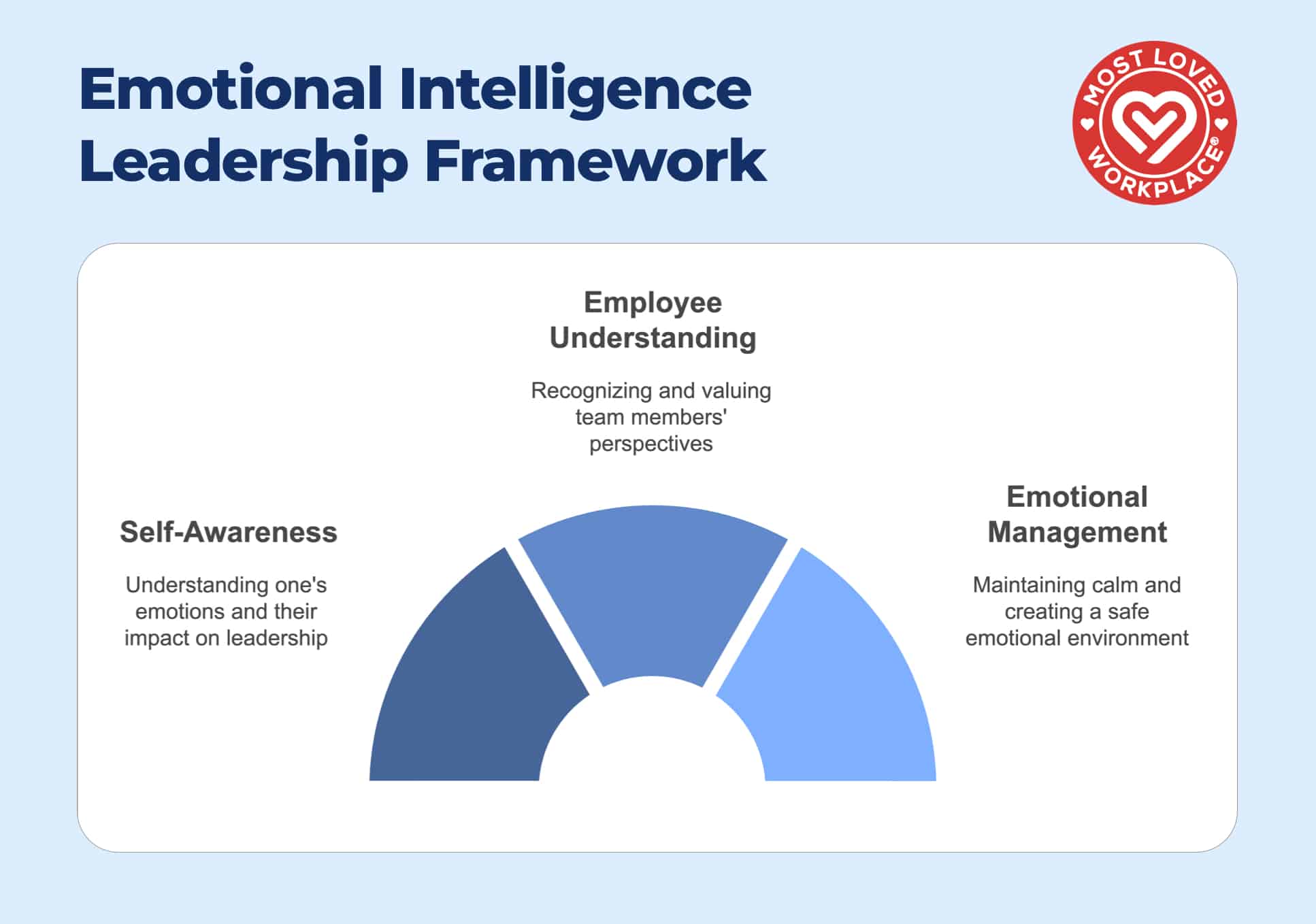
Emotional intelligence in leadership isn’t about being “nice” – it’s about understanding and effectively managing both your own emotions and those of your team. Here’s how to develop this crucial skill:
- Self-Awareness
- • Monitor your emotional reactions to challenges
- • Understand how your mood affects your team
- • Recognize your leadership style’s impact
- Employee Understanding
- • Read non-verbal cues in meetings
- • Anticipate team concerns before they escalate
- • Acknowledge different perspectives
- Emotional Management
- • Stay calm during crises
- • Model emotional regulation
- • Create psychological safety
Demonstrate concrete proof that you’re the real deal – the one that star applicants would love to work for!
Practical Applications of Empathy
Leadership Tip: Don’t just listen to what your employees say – pay attention to what they’re not saying. Here’s how to put empathy into action:
- • Schedule regular one-on-ones focused on personal growth
- • Practice active listening without interrupting
- • Acknowledge emotions before moving to solutions
- • Share appropriate personal experiences to build connection
Career development opportunities are among the top factors affecting job satisfaction, alongside recognition and rewards. (Source)
The Impact of Empathetic Leadership
When you lead with empathy, you create a ripple effect throughout your organization. As we’ve seen at Most Loved Workplace®, empathetic leaders typically experience:
- • Higher team retention rates
- • Increased employee engagement
- • Better problem-solving capabilities
- • Stronger team collaboration
- • More innovative thinking
Remember: Empathy isn’t about lowering standards or avoiding tough decisions. It’s about making those decisions while maintaining human connection and understanding.
Building Trust Through Integrity
Trust isn’t given – it’s earned through consistent actions and unwavering integrity. At Most Loved Workplace®, our research shows that trust forms the foundation of every successful leader-employee relationship.
The Pillars of Leadership Integrity
Key Principle: Your actions speak louder than your words, but both need to align perfectly. Here’s how to establish yourself as a trustworthy leader:
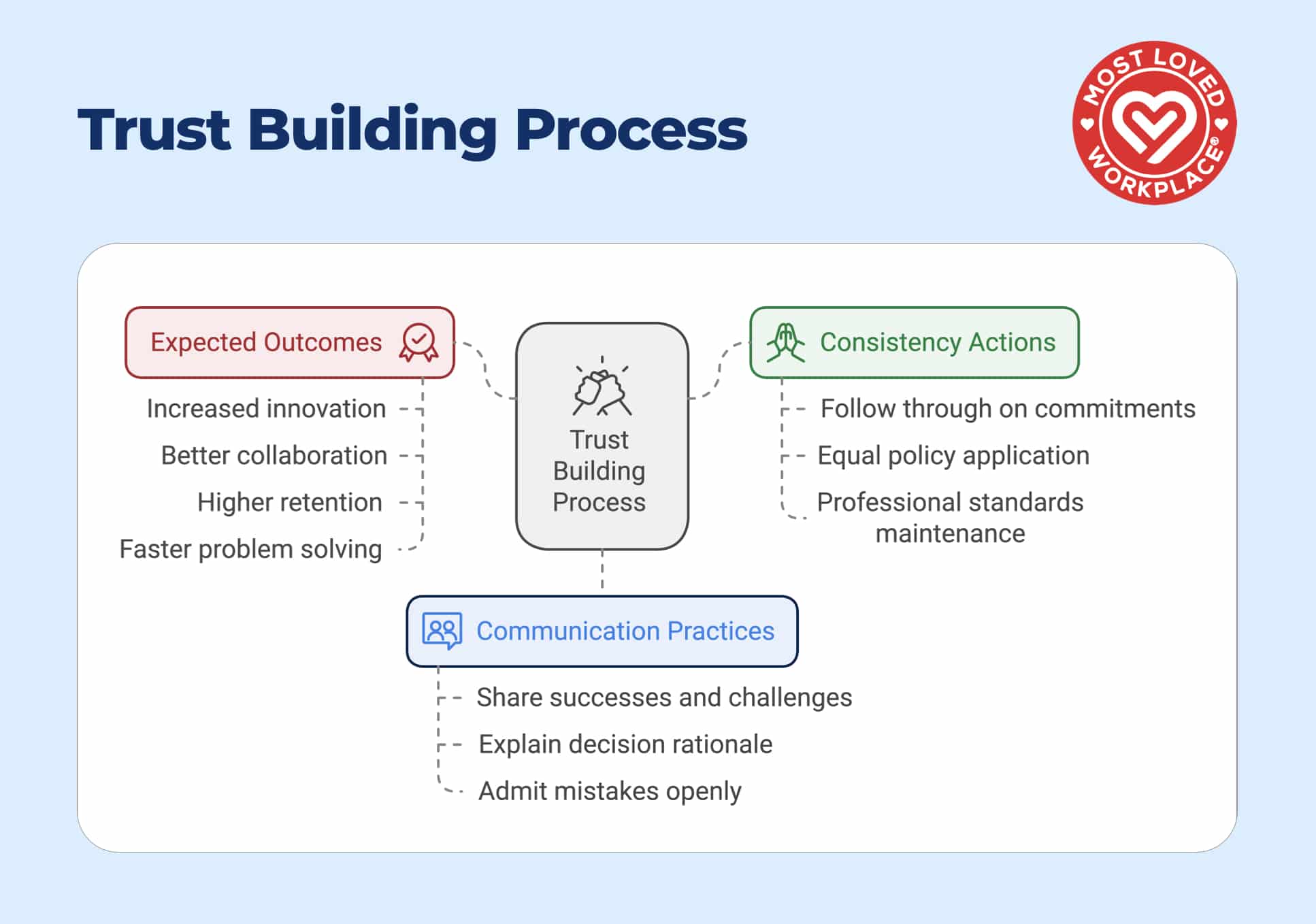
1. Consistency in Actions
- • Follow through on commitments, no matter how small
- • Apply rules and policies equally to all team members
- • Maintain professional standards even in informal settings
- • Show up consistently for your team, both in crisis and celebration
2. Transparent Communication
- • Share both successes and challenges openly
- • Explain the ‘why’ behind decisions
- • Admit mistakes and share lessons learned
- • Keep team informed about organizational changes
3. Ethical Decision-Making
- • Make choices based on values, not just profits
- • Stand firm on ethical principles
- • Protect employee interests
- • Model ethical behavior in all situations
Trust-Building Checklist
✓ Daily Practices:
- Honor commitments and deadlines
- Communicate changes promptly
- Give credit where due
- Show vulnerability when appropriate
- Maintain confidentiality
The Impact of Trust on Team Performance
When trust is present in the workplace, we see remarkable transformations:
- • Increased innovation and risk-taking
- • Better team collaboration
- • Higher employee retention
- • More honest feedback
- • Faster problem resolution
Remember: Trust is like a bank account – you need to make regular deposits through consistent, integrity-based actions before you can make withdrawals during challenging times.
Learn more about building authentic connections with your team through our guide on genuine conversations.
Overcoming Trust Challenges
Even great leaders face trust challenges. Here’s how to handle common situations:
|
Challenge
|
Solution
|
|---|---|
|
Breaking bad news
|
Be direct, honest, and show empathy
|
|
Making unpopular decisions
|
Explain reasoning and listen to concerns
|
|
Rebuilding lost trust
|
Acknowledge mistakes, take action, be patient
|
Mastering Communication
Clear, effective communication is the lifeblood of great leadership. Our research at Most Loved Workplace® shows that leaders who excel in communication create stronger emotional connections and drive better business results.
The Three Pillars of Leadership Communication
Essential Truth: Communication isn’t just about speaking clearly – it’s about creating understanding.
1. Active Listening
The most powerful communication tool isn’t your voice – it’s your ears. Here’s how to master active listening:
- • Physical Engagement
- • Maintain appropriate eye contact
- • Use encouraging body language
- • Remove distractions (put away your phone!)
- • Mental Engagement
- • Focus fully on the speaker
- • Process before responding
- • Note emotional undertones
- • Verbal Engagement
- • Ask clarifying questions
- • Summarize key points
- • Validate emotions and concerns
2. Clear Messaging
Recognition for contributions improves morale, engagement, and productivity. Employees who feel appreciated are more likely to be satisfied with their jobs. (Source)
Follow these principles for clear communication:
|
Do
|
Don't
|
|---|---|
|
Be specific and concrete
|
Use vague or ambiguous language
|
|
Provide context
|
Assume understanding
|
|
Check for understanding
|
Rush through important messages
|
|
Follow up in writing
|
Rely solely on verbal communication
|
3. Feedback Excellence
Learn more about transformative feedback in our guide to performance coaching. Key elements of effective feedback:
- Timing
- • Provide feedback promptly
- • Choose appropriate moments
- • Allow for processing time
- Structure
- • Start with positives
- • Be specific about improvements
- • End with action plans
- Follow-up
- • Schedule check-ins
- • Monitor progress
- • Celebrate improvements
Communication Best Practices
Pro Tip: Create communication rhythms – regular touchpoints that your team can count on. Essential communication rhythms:
- • Daily quick check-ins
- • Weekly team meetings
- • Monthly one-on-ones
- • Quarterly reviews
- • Annual planning sessions
Developing Leadership Confidence
True leadership confidence isn’t about being the loudest voice in the room – it’s about having the clarity of vision and strength of character to guide your team effectively. Let’s explore how to build authentic confidence that inspires trust and respect.
Building Authentic Leadership Presence
Key Insight: Confidence comes from competence combined with humility.
The Three Pillars of Leadership Confidence:
- Self-Awareness
- • Know your strengths and limitations
- • Understand your impact on others
- • Recognize your emotional triggers
- • Stay authentic to your values
- Competence Development
- • Continuously update your skills
- • Learn from both successes and failures
- • Seek feedback for improvement
- • Stay current with industry trends
- Emotional Resilience
- • Handle pressure gracefully
- • Bounce back from setbacks
- • Maintain perspective in challenges
- • Model calm under stress
Developing Strategic Vision
Visit our guide on creating a positive vision for the future for more detailed insights.
Vision Development Framework:
|
Component
|
Key Questions
|
Action Steps
|
|---|---|---|
|
Purpose
|
Why does our work matter?
|
Define core mission and values
|
|
Direction
|
Where are we heading?
|
Set clear, inspiring goals
|
|
Strategy
|
How will we get there?
|
Create actionable roadmaps
|
Confident Decision-Making
Remember: Confident leaders don’t always have all the answers, but they know how to find them through collaboration and careful consideration.
Decision-Making Framework:
- • Gather Information
- • Collect relevant data
- • Seek diverse perspectives
- • Consider long-term implications
- • Analyze Options
- • Evaluate pros and cons
- • Consider risks and opportunities
- • Think through consequences
- • Take Action
- • Make timely decisions
- • Communicate clearly
- • Monitor outcomes
Leading by Example
Leadership Truth: Your team will mirror your confidence level – make sure it’s authentic and balanced.
Daily Practices for Leading by Example:
- Start each day prepared and organized
- Demonstrate the work ethic you expect
- Show vulnerability when appropriate
- Admit mistakes and learn from them
- Celebrate team successes genuinely
- Handle pressure with grace
- Stay focused on solutions, not problems
Employee Empowerment Strategies
Empowerment isn’t just a buzzword – it’s a crucial leadership strategy that drives innovation, engagement, and results.
Our research shows that autonomy in the workplace allows employees to make decisions about their work, increasing their sense of ownership and fulfillment (Source).
The Empowerment Framework
Essential Principle: True empowerment means giving both authority and responsibility.
1. Delegation Mastery
Effective delegation follows this framework:
|
Stage
|
Leader's Role
|
Employee's Role
|
|---|---|---|
|
Initial Assignment
|
Clear direction and context
|
Understanding and questions
|
|
Development
|
Support and resources
|
Taking initiative
|
|
Execution
|
Light monitoring
|
Independent work
|
|
Review
|
Feedback and recognition
|
Self-assessment
|
2. Building Autonomous Teams
Key steps to promote autonomy:
- • Clear Boundaries
- • Define decision-making authority
- • Establish resource limits
- • Set quality standards
- • Support Systems
- • Provide necessary training
- • Ensure access to resources
- • Create safety nets
- • Growth Opportunities
- • Offer stretch assignments
- • Enable skill development
- • Encourage innovation
Trust-Building Through Empowerment
Learn more about maintaining a strong culture through empowerment in our guide to maintaining strong workplace culture.
Pro Tip: Start small with empowerment initiatives and gradually increase responsibility as confidence grows – both yours and your team’s.
Empowerment Checklist
✓ Daily Practices:
- Ask for input before making decisions
- Delegate meaningful work, not just tasks
- Provide resources for success
- Allow room for creative solutions
- Celebrate initiative-taking
- Support learning from mistakes
- Give credit for achievements
Measuring Empowerment Success
Track these key indicators:
- • Quantitative Metrics
- • Project completion rates
- • Innovation metrics
- • Employee retention
- • Productivity measures
- • Qualitative Indicators
- • Team confidence levels
- • Decision-making quality
- • Collaboration effectiveness
- • Job satisfaction
Remember: Empowerment is a journey, not a destination. Continuously adjust your approach based on team feedback and results.
Creating a Positive Work Environment
A positive work environment isn’t just about having a ping-pong table or free snacks – it’s about creating a culture where people feel valued, supported, and motivated to do their best work.
The Foundation of Workplace Positivity
Core Truth: Culture isn’t what you say – it’s what you consistently do and reward.
1. Building Blocks of Positive Culture
Essential elements:
- • Psychological Safety
- • Encourage open dialogue
- • Welcome diverse opinions
- • Support reasonable risk-taking
- • Learn from mistakes constructively
- • Work-Life Integration
- • Flexible scheduling options
- • Remote work possibilities
- • Mental health support
- • Personal time respect
- • Growth Mindset
- • Learning opportunities
- • Skill development support
- • Career path clarity
- • Mentorship programs
Recognition and Appreciation
Visit our guide on employee recognition for detailed implementation strategies.
|
Recognition Type
|
Examples
|
Impact
|
|---|---|---|
|
Public Recognition
|
Team meetings, company newsletters
|
Builds confidence, inspires others
|
|
Private Appreciation
|
One-on-one meetings, personal notes
|
Deepens trust, shows personal care
|
|
Peer Recognition
|
Kudos programs, team nominations
|
Strengthens team bonds
|
Recognition Best Practices
Recognition for contributions improves morale, engagement, and productivity. When employees feel appreciated, they’re more likely to go above and beyond their basic responsibilities.
Essential elements of effective recognition:
- Be specific about the achievement
- Connect actions to company values
- Make it timely
- Personalize the recognition
- Ensure consistency
Creating Joy at Work
Learn more about building a beloved company culture in our guide to what makes a company’s culture loved. Daily practices for fostering positivity:
- • Morning Rituals
- • Start with positive team check-ins
- • Share daily wins
- • Set inspiring goals
- • Team Building
- • Regular social connections
- • Collaborative projects
- • Celebration of milestones
- • Workplace Wellness
- • Health initiatives
- • Stress management support
- • Work-life balance programs
Leadership Tip: Your energy sets the tone. Show up with intentional positivity while remaining authentic and genuine.
Measuring Cultural Health
Key indicators to track:
- • Employee satisfaction scores
- • Team engagement levels
- • Retention rates
- • Absenteeism trends
- • Productivity metrics
- • Innovation indicators
Demonstrate concrete proof that you’re the real deal – the one that star applicants would love to work for!
Measuring Leadership Success
Success in leadership isn’t just about gut feelings – it’s about measurable impact. At Most Loved Workplace®, we use advanced analytics and machine learning to track leadership effectiveness and employee satisfaction.
Key Performance Indicators (KPIs)
Essential Principle: What gets measured gets managed – but measure what truly matters.
1. Employee Engagement Metrics
Primary indicators to track:
- • Quantitative Measures
- • Employee satisfaction scores
- • Retention rates
- • Absenteeism levels
- • Productivity metrics
- • Qualitative Indicators
- • Team feedback quality
- • Communication effectiveness
- • Innovation levels
- • Collaboration strength
Measurement Framework
Learn more about effective analytics in our guide to workplace analytics.
|
Metric Category
|
What to Measure
|
How to Measure
|
|---|---|---|
|
Team Performance
|
Project completion, quality, innovation
|
KPIs, peer reviews, client feedback
|
|
Employee Satisfaction
|
Engagement, happiness, loyalty
|
Surveys, interviews, retention rates
|
|
Leadership Impact
|
Trust, communication, guidance
|
360° feedback, team assessments
|
Data Collection Best Practices
Remember: The goal isn’t just to collect data – it’s to gain actionable insights that drive improvement.
Essential practices:
- Regular Assessment Cycles
- • Weekly pulse checks
- • Monthly metrics review
- • Quarterly deep dives
- • Annual comprehensive analysis
- Multiple Data Sources
- • Employee surveys
- • Performance data
- • Peer feedback
- • Client input
- Analysis Methods
- • Trend analysis
- • Comparative benchmarking
- • Predictive modeling
- • Impact assessment
Continuous Improvement Strategy
Leadership Truth: The best leaders use data to inform decisions, not just validate them. Implementation cycle:
- • Collect
- • Gather relevant data
- • Ensure data quality
- • Maintain consistency
- • Analyze
- • Identify patterns
- • Compare benchmarks
- • Draw insights
- • Act
- • Develop action plans
- • Implement changes
- • Monitor results
- • Adjust
- • Refine approaches
- • Update metrics
- • Evolve strategies
Implementation Guide
Knowing what to do is only half the battle – successful implementation is where real leadership transformation happens. Let’s break down how to put these principles into practice effectively.
90-Day Implementation Roadmap
Implementation Key: Start small, build momentum, and scale what works.
Phase 1: Foundation (Days 1-30)
- • Assessment
- • Evaluate current leadership style
- • Gather team feedback
- • Identify quick wins
- • Set baseline metrics
- • Planning
- • Define priority areas
- • Create action plans
- • Establish timelines
- • Align resources
Phase 2: Implementation (Days 31-60)
- • Action Steps
- • Launch new initiatives
- • Begin regular check-ins
- • Implement feedback systems
- • Start recognition programs
- • Monitoring
- • Track progress
- • Gather initial feedback
- • Make adjustments
- • Document lessons learned
Phase 3: Optimization (Days 61-90)
- • Refinement
- • Analyze results
- • Scale successful initiatives
- • Address challenges
- • Celebrate wins
- • Integration
- • Embed new practices
- • Train team members
- • Document processes
- • Plan next phase
Common Challenges and Solutions
Learn more about preparing your organization for positive change in our guide to preparing for workplace transformation.
|
Challenge
|
Solution
|
Prevention Strategy
|
|---|---|---|
|
Resistance to change
|
Clear communication, involvement in process
|
Early engagement, shared vision
|
|
Time constraints
|
Prioritization, delegation
|
Realistic planning, resource allocation
|
|
Inconsistent application
|
Systems and reminders
|
Clear processes, accountability
|
|
Loss of momentum
|
Regular check-ins, celebrations
|
Milestone planning, engagement activities
|
Sustainability Strategies
Sustainable change requires consistent effort and regular reinforcement.
Key maintenance practices:
- Regular Review Cycles
- • Weekly progress checks
- • Monthly assessments
- • Quarterly strategy reviews
- Continuous Learning
- • Share success stories
- • Document best practices
- • Update approaches
- Team Engagement
- • Gather ongoing feedback
- • Involve in improvements
- • Celebrate achievements
Implementation Tip: Create systems that make it easier to do the right thing than the wrong thing.
Wrapping Up
Becoming a leader who’s truly loved by their employees isn’t just about implementing a set of techniques – it’s about creating genuine connections and fostering an environment where people can thrive. Let’s recap the essential elements of transformative leadership.
Key Takeaways
Remember: Leadership excellence is a journey, not a destination. Essential elements for becoming a loved leader:
- • Foundation Building
- • Lead with empathy and emotional intelligence
- • Build trust through consistent integrity
- • Master clear, effective communication
- • Growth Elements
- • Develop authentic confidence
- • Empower team members
- • Create positive work environments
- • Sustainability Factors
- • Measure and track progress
- • Implement systematically
- • Maintain continuous improvement
Your Next Steps
Ready to transform your leadership approach? Here’s your action plan:
- Assess your current leadership style
- Choose one area for immediate improvement
- Implement the 90-day roadmap
- Measure your progress
- Adjust and optimize your approach
True leadership transformation happens when we combine knowledge with action, empathy with strategy, and vision with execution.
Ensure Everyone Shares an Optimistic Outlook for What’s Ahead As the leader, you are the cornerstone of your organization, and all operations hinge on your influence. It is crucial to embed collaboration into the very fabric of your business activities.
Without a distinct, unified vision, team members may lose their drive and become disenchanted.
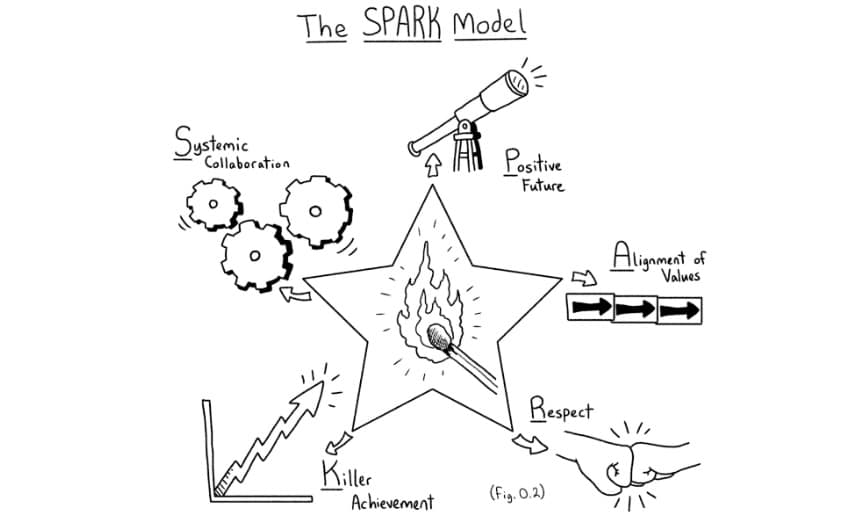
Exceptional leaders often adopt the SPARK framework:
- • Systemic collaboration: Cultivate a setting where each person feels thoroughly understood and collaborates towards mutual objectives.
- • Positive vision of the future: Maintain clarity and optimism regarding your future aspirations. Shun blame and concentrate on enhancements.
- • Alignment of values: Synchronize your fundamental values, objectives, practices, and methodologies.
- • Respect: Foster a workplace where disrespect towards individuals, their ideas, or their passions is not tolerated.
- • Killer achievement: By fostering a corporate culture that everyone is passionate about, outstanding results become inevitable.
Take Your Leadership to the Next Level
Want to join the ranks of leaders who create truly exceptional workplaces? Consider taking the next step in your leadership journey by exploring Most Loved Workplace® certification.
The most successful leaders don’t just manage teams – they inspire, empower, and transform lives.
Take the next step on your employer brand
Three ways to move from reading to results. Pick what fits your stage.
Run your CertCheck report
See how AI systems currently describe your employer brand to candidates.
Get My Free ReportApply for certification
Measure your organization on the Love of Workplace Index® and join 1,800+ certified companies.
Start ApplicationTalk to a Strategic Advisor
Walk through your Employer Branding & Certification Insights report with a specialist.
Keep reading

What the Best HR Leaders Do Differently When Culture Is Under Pressure
Blog What the Best HR Leaders Do Differently When Culture Is Under Pressure Louis Carter April 20, 2026 There is a version of culture disruption that looks dramatic from the outside — a merger announcement, a CEO departure, a return-to-office mandate that lands in the company Slack on a Tuesday afternoon. And then there is […]
When Managers Become Message Passers Instead Of Leaders
Blog When Managers Become Message Passers Instead Of Leaders Louis Carter March 1, 2026 Most organisations don’t set out to create “message passer” managers. It happens quietly, through role design. Leadership announcements, managers are told to cascade them, and the organisation calls that communication. Over time, managers become forwarders instead of interpreters, and teams stop […]

How To Give Feedback That Builds Trust
How To Give Feedback That Builds Trust (Not Fear) Feedback is one of the fastest ways to reveal what your culture is made of. The same sentence can land as care or as threat, depending on the trust that already exists between a leader and a team. That’s why most “feedback training” fails in the […]