
Build Bonds and Trust with Storytelling
Build Bonds and Trust with Storytelling 6 min. Read Leadership is typically about hitting targets and boosting performance; an essential yet often overlooked aspect is building bonds and trust among team members. Louis Cater, a prominent figure in leadership development, emphasizes the importance of connecting work to a higher purpose for employee engagement and motivation. […]


The Neuroscience of Emotional Labeling
Insight suggests that understanding and labeling emotions in storytelling play a crucial role in effective leadership. Neuroscience supports this idea, showing that labeling emotions helps individuals make more informed decisions about managing and leading. Leaders who grasp the emotional landscape of their teams can navigate challenges more effectively, fostering an environment of trust and collaboration.
An essential aspect of emotional labeling is facilitating open communication within a team. When leaders encourage team members to express their emotions openly, it creates a transparent and authentic work environment. Employees feel heard and valued, and leaders gain valuable insights into the emotional dynamics of the team.
Leaders should establish channels for open communication, such as regular team meetings, one-on-one sessions, or anonymous feedback mechanisms. This openness enables the identification of potential issues before they escalate and demonstrates a commitment to understanding and addressing the team’s emotional needs. By fostering an environment where emotions can be expressed without fear of judgment, leaders contribute to a culture of trust and psychological safety.
Neuroscientific research indicates that labeling emotions enhances cognitive processing, leading to more effective decision-making. Leaders who encourage emotional labeling in themselves and their teams can leverage this cognitive advantage. When individuals can articulate and label their emotions, it provides clarity and insight into the factors influencing their perspectives and behaviors.
Leadership incorporating emotional insight into decision-making processes is better equipped to address challenges with empathy and understanding. It strengthens the leader’s connection with the team and contributes to a culture where decisions are made with a holistic understanding of their impact on individuals. Therefore, the neuroscience of emotional labeling becomes a powerful tool for leaders striving to create an environment of trust, collaboration, and informed decision-making.
Applying Storytelling to Employee Engagement Strategies
In employee engagement strategies, storytelling becomes a linchpin. Leaders can craft narratives that align with the company’s values and resonate with employees personally. This approach goes beyond traditional methods, creating a sense of purpose that drives employee commitment and satisfaction.
Beyond aligning with company values, storytelling in employee engagement strategies fosters a sense of belonging. When leaders share stories highlighting the collective achievements, challenges overcome, and the shared journey of the team, employees feel a deeper connection to their colleagues and the organization.
A sense of belonging motivates employees. It enhances job satisfaction and contributes to a positive company culture. Leaders can incorporate storytelling into onboarding processes, team-building activities, and internal communications to emphasize the shared identity and purpose of the team.
By weaving narratives that celebrate diversity, acknowledge individual contributions, and showcase the collective spirit, leaders strengthen the bonds that tie employees to the organization. This sense of belonging positively influences engagement, collaboration, and overall job performance.
Storytelling in Shaping Company Culture
Company culture is a reflection of shared values and beliefs within an organization. Storytelling becomes a powerful instrument in shaping and reinforcing these cultural elements. Leaders can use narratives to communicate the company’s journey, successes, and challenges, fostering employees’ sense of belonging and pride.
Employee Recognition Program Reinvented through Stories
Traditional employee recognition programs often need to catch up to their intended impact. By incorporating storytelling, leaders can breathe life into these programs. Personalized stories of employee contributions celebrate achievements and inspire others, creating a positive cycle of recognition and motivation.
Final Word
The art of inspiring leadership through storytelling is a multifaceted approach that involves understanding, connecting, and building trust with team members. Insights emphasize the transformational power of storytelling in leadership development.
By recognizing the emotional landscape of individuals, tailoring visions, and incorporating personal stories, leaders can bridge the trust gap, foster engagement, and shape a positive company culture. As leaders embark on the journey of building bonds and trust through storytelling, they pave the way for teams that are not only high-performing but also deeply connected and motivated.

Take the next step on your employer brand
Three ways to move from reading to results. Pick what fits your stage.
Run your CertCheck report
See how AI systems currently describe your employer brand to candidates.
Get My Free ReportApply for certification
Measure your organization on the Love of Workplace Index® and join 1,800+ certified companies.
Start ApplicationTalk to a Strategic Advisor
Walk through your Employer Branding & Certification Insights report with a specialist.
Keep reading
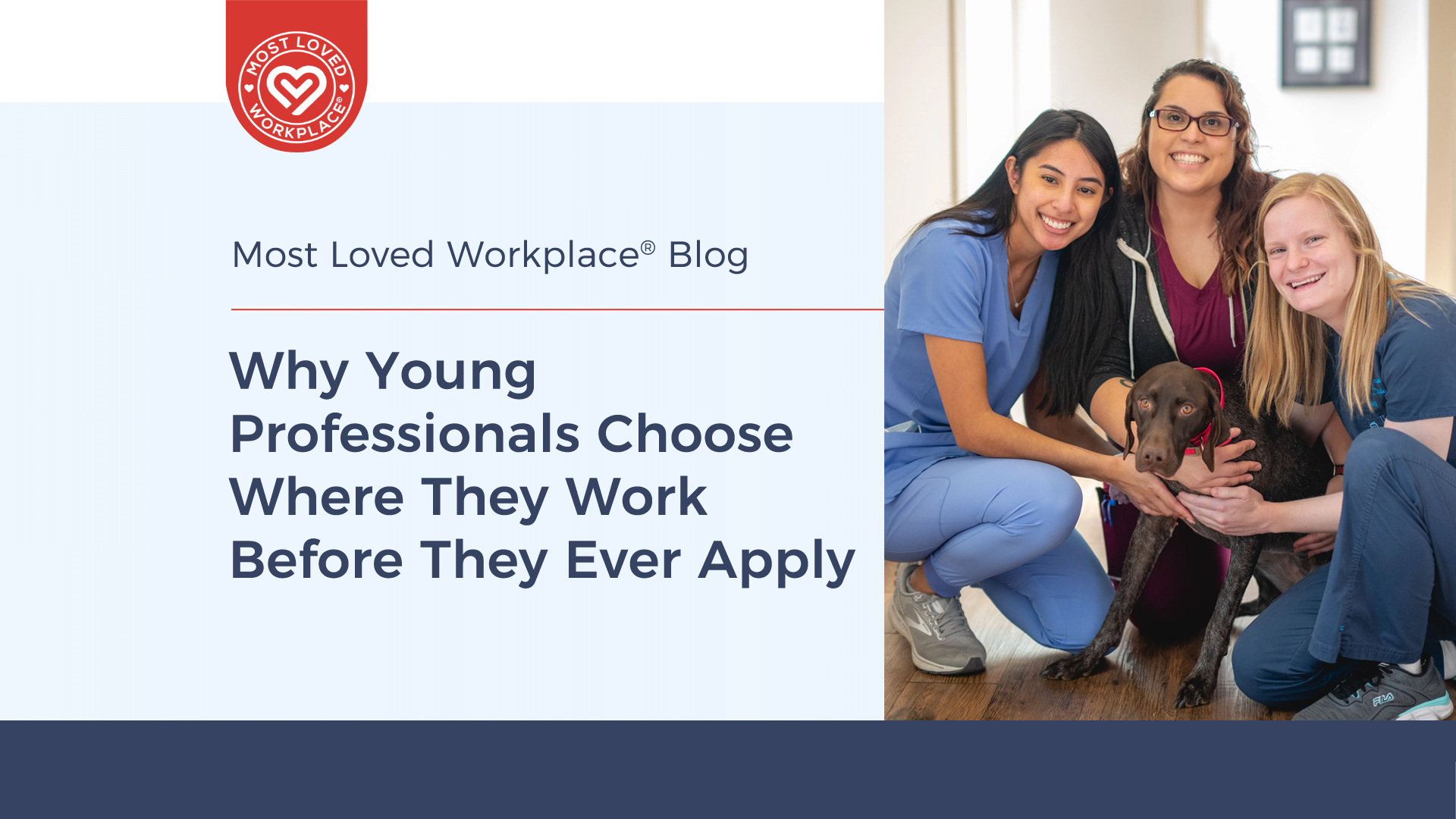
Why Young Professionals Choose Where They Work Before They Ever Apply
Why Young Professionals Choose Where They Work Before They Ever Apply Every year, veterinary schools in the United States graduate a limited number of new veterinarians into a field with far more open positions than available candidates. The supply crisis in veterinary medicine isn’t new. What’s changed is how new vets, the vet techs and […]

The Workplaces Where People Can Actually Be Human
The Workplaces Where People Can Actually Be Human There is a question that does not show up on most employee surveys, but that determines almost everything about whether people stay, perform, and bring their real selves to work. The question is not whether they feel satisfied. It is not whether they would recommend the company […]

Your Next Hire Is Asking AI About You
Blog Your Next Hire Is Asking AI About You Best Practice Institute May 4, 2026 What ChatGPT Says About Your Company as an Employer — and Why Most HR Leaders Have Never Checked Somewhere right now, a candidate who just received your interview invitation is opening a new browser tab. They are not going to […]