Beyond Basic Diversity: Advanced Strategies for the Modern Workplace
Beyond Basic Diversity: Advanced Strategies for the Modern Workplace 6 min. Read Executive Summary While the fundamental value of workplace diversity is well established, the landscape of how diversity drives organizational success continues to evolve. This analysis moves past traditional diversity arguments to explore emerging research and advanced implementation strategies that even experienced HR leaders […]

The Intersection of AI and Diversity Management
The integration of AI in HR processes has revealed unexpected patterns in how diversity influences organizational performance:
• Algorithmic Bias Detection: Advanced AI tools are now capable of identifying subtle patterns of exclusion in everything from job descriptions to promotion practices
• Predictive Analytics: Machine learning models can now forecast diversity-related challenges before they manifest, enabling proactive intervention
• Performance Pattern Recognition: AI analysis of team composition and performance data has revealed optimal diversity ratios that vary by industry and function
Strategic Consideration
While AI offers powerful insights, HR leaders must balance algorithmic recommendations with human judgment to avoid over-optimization at the expense of individual development opportunities.
The Economic Multiplier Effect
Moving beyond traditional ROI metrics, new economic models suggest that diversity’s impact is multiplicative rather than additive. A 2024 analysis by the World Economic Forum found that companies with high diversity scores across multiple dimensions (cognitive, demographic, experiential) showed:
• 2.3x higher cash flow per employee
• 1.8x more likely to be change-ready
• 3.2x higher employee retention in key roles

Advanced Inclusion Strategies
Psychological Safety 2.0
Building on Amy Edmondson’s foundational work, recent research has identified four new dimensions of psychological safety that particularly matter in diverse environments:
- Innovation Safety: Freedom to propose unconventional ideas
- Identity Safety: Comfort in authentic self-expression
- Learning Safety: Permission to admit knowledge gaps
- Challenge Safety: Ability to question established norms
Practical Application
Leading organizations are moving beyond basic psychological safety training to implement “safety mapping”—identifying specific psychological safety needs across different employee segments and creating targeted interventions.
Measuring What Matters
Advanced Metrics for Sophisticated Organizations
For organizations that have mastered basic diversity metrics, these emerging measurements offer deeper insights:
• Diversity Velocity: Rate of positive change in representation across time
• Inclusion Density: Measurement of cross-demographic interactions in informal networks
• Innovation Attribution Index: Tracking how diverse perspectives contribute to new ideas
• Cultural Addition Score: Measuring how new hires expand rather than just fit organizational culture
Future Considerations
The Meta-Diverse Organization
Forward-thinking organizations are exploring the concept of “meta-diversity”—the ability to flex and adapt diversity strategies based on context. This approach recognizes that optimal diversity configurations may vary by:
•Project type
•Market conditions
•Geographic location
•Industry dynamics
Strategic Recommendations for HR Leaders
- Audit Your Advanced Metrics
- Move beyond representation statistics
- Implement predictive analytics
- Track diversity velocity
- Evolve Your Training Approach
- Focus on cognitive diversity
- Implement psychological safety mapping
- Develop meta-diversity awareness
- Leverage Technology Thoughtfully
- Deploy AI for pattern recognition
- Implement bias detection systems
- Use predictive modeling for intervention planning
Conclusion
The next frontier in diversity management isn’t about achieving specific demographic targets—it’s about creating organizations that can dynamically optimize their diversity profile based on context while maintaining consistent inclusion principles. Success requires moving beyond conventional wisdom to embrace emerging research and sophisticated implementation strategies.
Note: This analysis draws from the latest research available as of early 2024. For specific implementation strategies or detailed metrics, please consult with diversity specialists familiar with your organization’s unique context.
Take the next step on your employer brand
Three ways to move from reading to results. Pick what fits your stage.
Run your CertCheck report
See how AI systems currently describe your employer brand to candidates.
Get My Free ReportApply for certification
Measure your organization on the Love of Workplace Index® and join 1,800+ certified companies.
Start ApplicationTalk to a Strategic Advisor
Walk through your Employer Branding & Certification Insights report with a specialist.
Keep reading
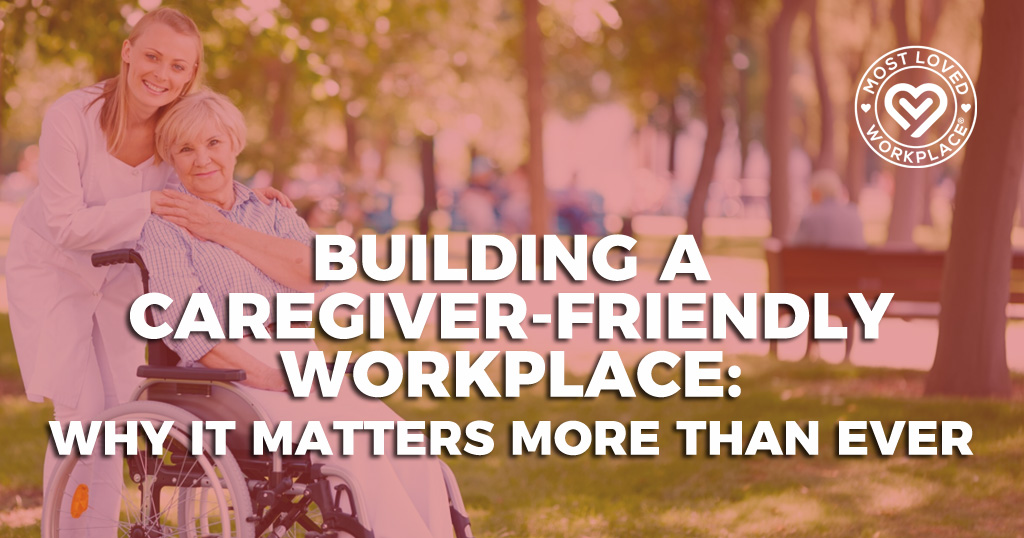
Building a Caregiver-Friendly Workplace: Why It Matters More Than Ever
Building a Caregiver-Friendly Workplace: Why It Matters More Than Ever Direct Answer A caregiver-friendly workplace is an organization that designs policies, manager practices, and measurement systems to support employees with ongoing caregiving responsibilities while maintaining productivity and retention. Research shows caregiving affects a majority of full-time employees and directly reduces work hours, focus, and retention […]
How Most Loved Workplaces® Support Working Parents in the Modern Workplace
How Most Loved Workplaces® Support Working Parents in the Modern Workplace Why Family Support Matters in Today’s Workplace Most Loved Workplace®–certified organizations recognize that working parents face persistent challenges in balancing professional and family responsibilities. Research from Deloitte shows that 95% of women say workplace flexibility is critical to managing work and home demands. When […]
Employee Well-Being Strategy: Building a Workplace Where People Thrive
Employee Well-Being Strategy: Building a Workplace Where People Thrive Employee well-being is no longer a “nice to have.” It is becoming a core part of how companies protect performance, retain talent, and earn trust. Workplace stress is already widespread. The American Psychological Association’s 2023 Work in America survey found that 77% of workers reported work-related […]