
Employee Experience vs Employee Engagement: The Unique Impact of Volunteering Programs
Employee Experience vs Employee Engagement: The Unique Impact of Volunteering Programs 7 Min. Read While 77% of employees aren’t engaged at work, innovative companies are discovering that corporate volunteering programs can bridge the crucial gap between employee experience and engagement. This startling statistic from Gallup’s State of the Global Workplace 2023 isn’t just a number […]
Employee Experience vs Employee Engagement: The Unique Impact of Volunteering Programs
- 7 Min. Read
While 77% of employees aren’t engaged at work, innovative companies are discovering that corporate volunteering programs can bridge the crucial gap between employee experience and engagement.
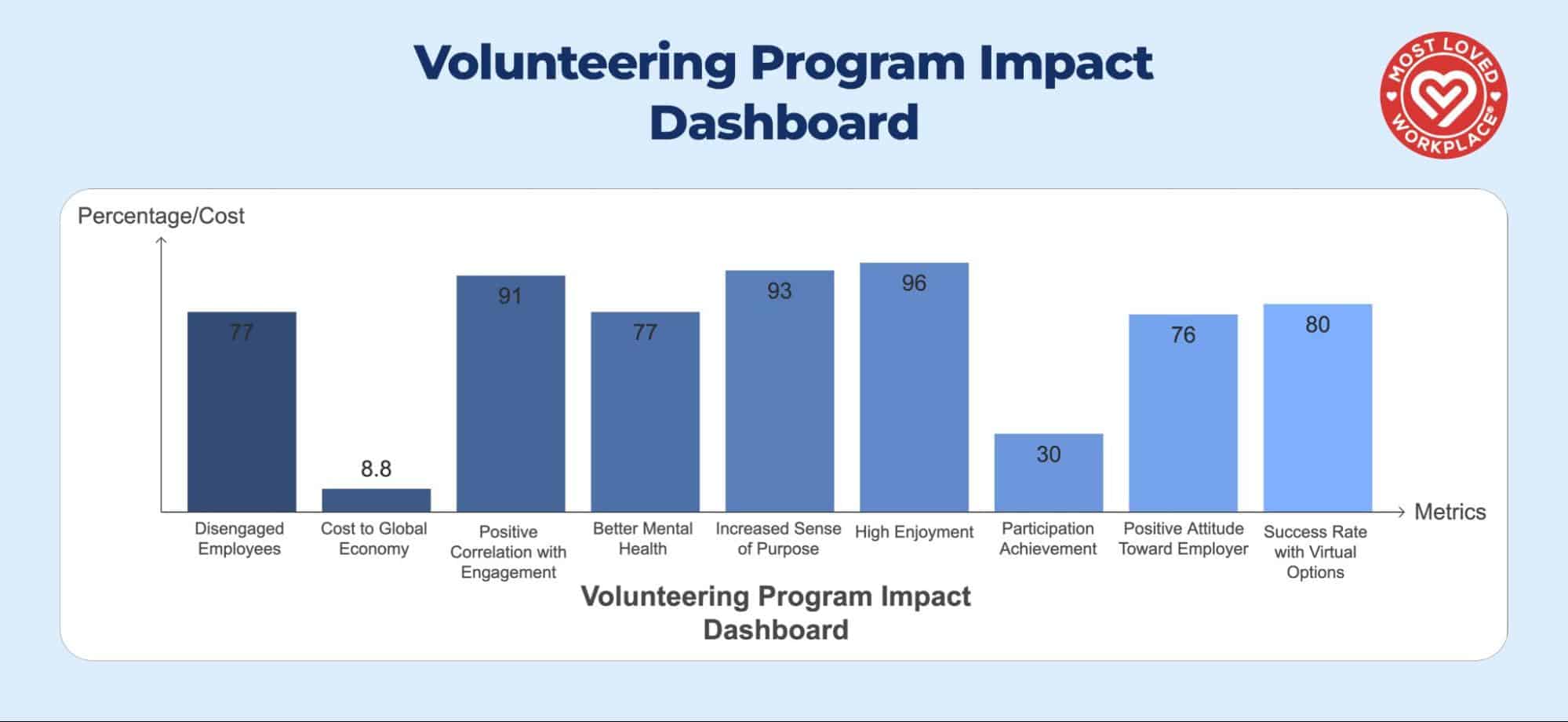
This startling statistic from Gallup’s State of the Global Workplace 2023 isn’t just a number – it represents a critical challenge facing modern businesses, costing the global economy $8.8 trillion.
But within this challenge lies an unexpected opportunity: the power of structured volunteering programs to transform both employee experience and engagement simultaneously.
As a leader in workplace culture analysis, I’ve observed that many organizations struggle to distinguish between employee experience and engagement, often treating them as interchangeable concepts.
This confusion can lead to misaligned strategies and missed opportunities for meaningful improvement.
Let’s unravel these concepts and explore how volunteering programs can serve as a unique bridge between them.
Understanding the Core Concepts
What is Employee Experience?
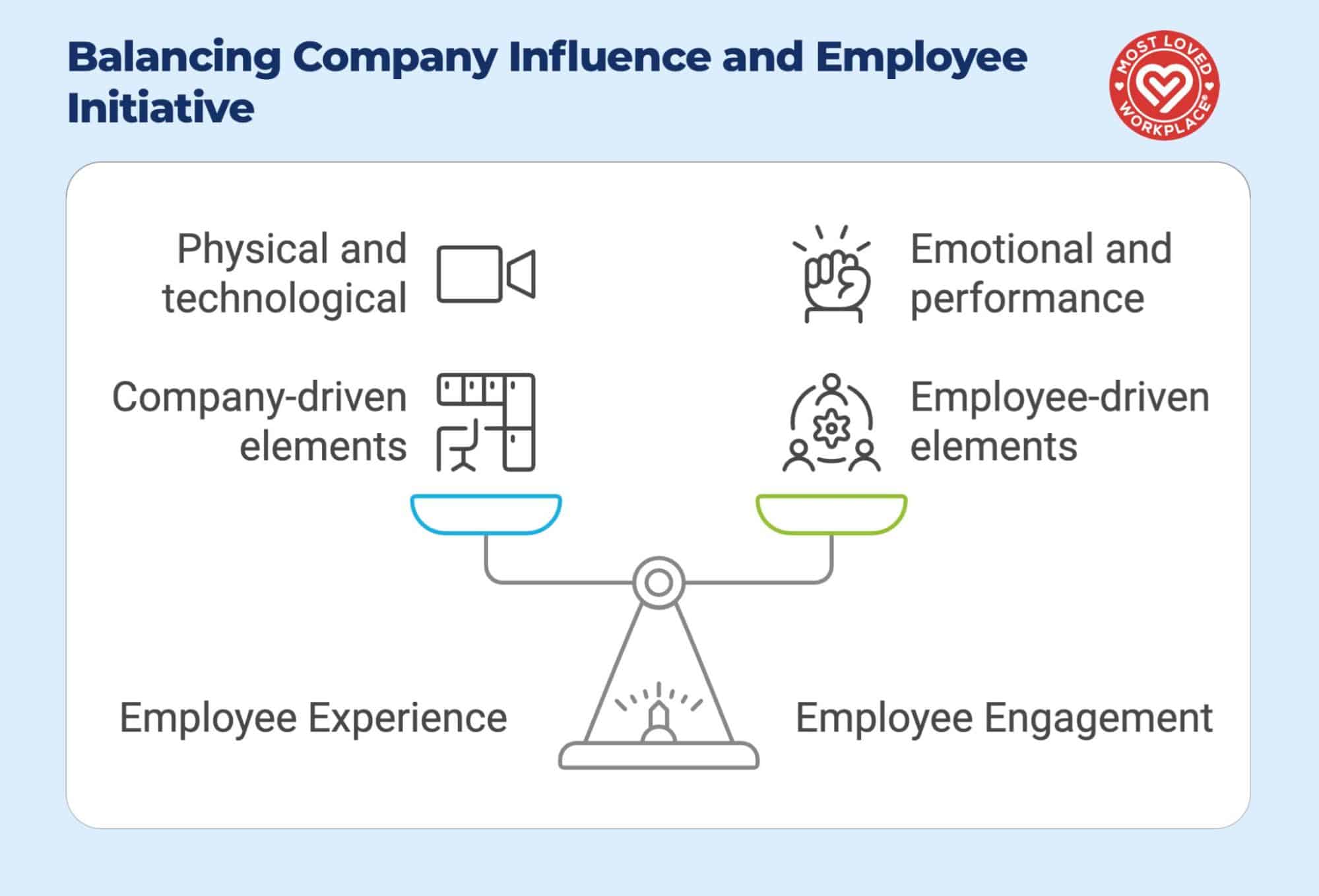
Employee experience encompasses the entire journey an employee takes within your organization – from their first interview to their last day. It’s the sum of all interactions, environments, and events that shape their perception of your company. Think of it as the stage upon which your employees’ work lives play out. As explored in our comprehensive guide on employee satisfaction versus engagement, experience includes three critical components:
- • Physical environment and workplace setup
- • Technological tools and resources
- • Cultural atmosphere and organizational values
What is Employee Engagement?
Employee engagement, on the other hand, represents the emotional commitment and enthusiasm employees bring to their work and organization. It’s not just about happiness or satisfaction – it’s about the level of connection, dedication, and discretionary effort employees are willing to invest.According to our research at Most Loved Workplace®, companies with highly engaged workforces outperform their peers by 147% in earnings per share.
Key Differences and Intersections
To understand these concepts better, consider this comparison:
|
Employee Experience
|
Employee Engagement
|
|---|---|
|
What the organization provides
|
How employees respond
|
|
Encompasses all workplace touchpoints
|
Focuses on emotional connection and commitment
|
|
Long-term journey
|
Day-to-day motivation and involvement
|
|
Company-driven
|
Employee-driven
|
The intersection of these concepts is where the magic happens. As discussed in our analysis of creating happy workplaces, when organizations provide exceptional experiences, they lay the groundwork for deeper engagement.
However, the challenge lies in finding initiatives that positively impact both areas simultaneously. This is where corporate volunteering programs enter the picture, offering a unique solution that enhances both the employee experience through structured opportunities and engagement through meaningful participation.
The Volunteering Bridge: Connecting Experience and Engagement
Corporate volunteering programs represent a unique opportunity to enhance both employee experience and engagement simultaneously. But how exactly does this work? Let’s dive into the data-driven evidence and explore the dual impact of volunteering initiatives.
How Volunteering Transforms Employee Experience
Research shows that volunteering programs significantly enhance multiple aspects of the employee experience:
According to a 2024 study exploring employee wellbeing outcomes in the UK, volunteering emerged as the single most effective method for improving employee wellness, outperforming other initiatives like mindfulness programs and financial wellbeing services.
Here’s how volunteering enhances key components of employee experience:
- • Cultural Impact: Creates a shared sense of purpose and strengthens organizational values
- • Social Connections: Builds stronger relationships across departments and hierarchies
- • Skill Development: Provides opportunities for personal and professional growth
- • Workplace Satisfaction: Contributes to a more positive and meaningful work environment
Demonstrate concrete proof that you’re the real deal – the one that star applicants would love to work for!
Driving Engagement Through Purposeful Action
The impact of volunteering on employee engagement is equally impressive. As explored in our guide on corporate social responsibility, volunteering programs create multiple engagement touchpoints:
Emotional Connection
77% of volunteers report better mental health and wellbeing, leading to stronger emotional bonds with their workplace
Meaningful Contribution
93% of volunteers feel they’re making a difference, enhancing their sense of purpose at work
Regular Participation
96% of frequent volunteers report high levels of enjoyment, compared to 90% of occasional volunteers
Statistical Evidence and Research Findings
The Boston School of Management’s 2023 Community Involvement Study revealed compelling statistics:
|
Metric
|
Impact
|
|---|---|
|
Correlation with Engagement
|
91% of companies found a positive link between volunteering and engagement scores
|
|
Virtual Volunteering Success
|
80% of companies report successful implementation of virtual volunteering options
|
|
Employee Attitudes
|
76% report more positive attitudes toward their employer after volunteering
|
The Multiplier Effect
What makes volunteering particularly powerful is its ability to create a multiplier effect. As discussed in our analysis of employee engagement and retention, when employees participate in volunteering programs:
- • They develop new skills that enhance their daily work performance
- • Team rposeful experiences
- •Leadership capabilities emerge naturally in volunteer settings
- • Cross-departmental relationships strengthen
- • Company culture becomes more cohesive and purpose-driven
Key Insight: The most successful volunteering programs are those that align with both company values and employee interests. When this alignment exists, the impact on both experience and engagement is maximized.
Real-World Implementation: Making Volunteering Work
Understanding the theory behind volunteering’s impact is one thing; successfully implementing a program that enhances both employee experience and engagement is another. Let’s explore practical strategies for building and maintaining an effective corporate volunteering program.
Building an Effective Volunteering Program
Essential Components for Success:
- Leadership Buy-In
- • CEO and executive team participation
- • Middle management support and engagement
- • Clear communication of program value
- Structured Framework
- • Defined volunteering policies
- • Clear time allocation guidelines
- • Mix of virtual and in-person opportunities
- Employee Input
- • Regular surveys for interest areas
- • Feedback mechanisms
- • Employee-led initiatives
Common Challenges and Solutions
|
Challenge
|
Solution
|
Impact
|
|---|---|---|
|
Low Participation Rates
|
Implement recognition programs and create healthy competition
|
Average participation rates can increase from 14% to 30%+
|
|
Time Constraints
|
Offer flexible volunteering options including virtual opportunities
|
80% of companies report success with flexible programs
|
|
Tracking Impact
|
Use dedicated volunteering platforms with built-in metrics
|
Enables data-driven program optimization
|
Pro Tip: Consider implementing a “Weekend Volunteering = More Holiday” policy, where employees can convert weekend volunteering hours into additional annual leave. This approach has shown remarkable success in boosting participation rates. For more insights on creating effective workplace programs, check out our guide on creating a happy workplace.
Best Practices and Success Stories: Learning from Leaders
Understanding what works in practice can be invaluable when developing your own volunteering program. Let’s examine some success stories and extract key lessons that can be applied to any organization.
Case Study: Softcat’s Volunteering Revolution
With 8 locations across the UK and over 1,000 employees, Softcat achieved a 30% staff volunteering participation rate in just six months – more than double the industry average of 14%.
Key Success Factors:
- • Leadership by example (CEO was among first volunteers)
- • Flexible, on-demand volunteering options
- • User-friendly technology platform
- • Regular impact reporting
Proven Best Practices
Based on extensive research and real-world success stories, here are the most effective strategies for maximizing program impact:
Recognition and Rewards
- • Monthly Champion Programs
- • Recognize top volunteers through company-wide announcements
- • Impact Metrics
- • Share CO2e savings and community impact statistics
- • Tangible Benefits
- • Offer rewards ranging from additional holiday time to charitable donations
Engagement Strategies
- • Organize company-wide volunteering days
- • Create team challenges with specific goals
- • Enable peer-to-peer recognition
- • Share success stories through internal communications
Implementation Success Framework
|
Element
|
Best Practice
|
Expected Outcome
|
|---|---|---|
|
Program Structure
|
Blend of individual and team opportunities
|
Higher participation rates across different personality types
|
|
Technology
|
Mobile-first platform with easy tracking
|
Increased engagement and better data collection
|
|
Communication
|
Regular updates and success stories
|
Sustained enthusiasm and participation
|
|
Recognition
|
Multi-level reward system
|
Improved long-term engagement
|
Demonstrate concrete proof that you’re the real deal – the one that star applicants would love to work for!
Key Success Factors
As explored in our guide on what makes a most loved workplace, successful volunteering programs share several common elements:
Leadership Commitment
- • Visible participation from senior management
- • Regular communication about program importance
- • Resource allocation and support
Employee Empowerment
- • Freedom to choose causes
- • Flexibility in participation methods
- • Opportunity to lead initiatives
Technology Integration
- • Easy-to-use platforms
- • Mobile accessibility
- • Automated tracking and reporting
Overcoming Common Obstacles
Even successful programs face challenges. Here are proven solutions to common issues:
Time Management Concerns
Implement flexible volunteering options and micro-volunteering opportunities
Engagement Fatigue
Rotate opportunities and keep programs fresh with new challenges
Impact Measurement
Use dedicated platforms that automatically track and report impact metricsFor more insights on building effective workplace programs, check out our analysis of improving company culture.
Remember: The most successful volunteering programs evolve based on employee feedback and changing needs. Regular assessment and adjustment are key to long-term success.
Final Thoughts: Taking Action to Transform Your Workplace
The distinction between employee experience and engagement isn’t just academic – it’s a crucial understanding that can transform your workplace culture. Through our exploration, we’ve seen how volunteering programs serve as a unique bridge between these two concepts, offering a powerful solution to the engagement crisis facing modern organizations.
Key Takeaways
- • Employee experience encompasses the entire journey within your organization, while engagement reflects the emotional commitment and enthusiasm employees bring to their work
- • Volunteering programs have proven to be one of the most effective ways to enhance both experience and engagement simultaneously
- • Success rates increase dramatically when programs are well-structured, supported by leadership, and powered by the right technology
- • Regular measurement and adjustment are crucial for long-term program success
Your Action Plan
Ready to transform your workplace through volunteering? Here’s your roadmap to success:
Immediate Actions (Next 30 Days)
- • Assess current employee engagement levels
- • Survey employee interests in volunteering opportunities
- • Identify potential community partners
Short-Term Goals (60-90 Days)
- • Develop program structure and policies
- • Set up measurement frameworks
- • Launch pilot program with a core group
Long-Term Vision (6-12 Months)
- • Scale program across organization
- • Implement recognition systems
- • Measure and communicate impact
Remember: The journey to creating a more engaged workplace through volunteering is a marathon, not a sprint. Start small, measure consistently, and scale thoughtfully. For more insights on building a workplace culture that truly engages employees, explore our guide on creating a culture that motivates top talent.
The data is clear: organizations that successfully implement volunteering programs see improvements across all metrics of workplace success – from employee satisfaction and retention to productivity and profitability.
The time to act is now. With 77% of employees currently disengaged at work, the opportunity to transform your workplace through meaningful volunteering initiatives has never been more relevant. By bridging the gap between employee experience and engagement through volunteering, you’re not just building a better workplace – you’re creating a lasting legacy of positive impact both within and beyond your organization.
Next Steps
Ready to learn more about creating a workplace that employees love? Discover how your organization can become a certified Most Loved Workplace® by exploring our comprehensive assessment and certification process. Our data-driven approach, combined with proven methodologies, can help you create a workplace culture that truly engages and inspires your team.

Building a Thriving Workplace Culture!
Discover how to leverage the right technology and implement a proactive strategy that cultivates talent and facilitates team collaboration.
Take the next step on your employer brand
Three ways to move from reading to results. Pick what fits your stage.
Run your CertCheck report
See how AI systems currently describe your employer brand to candidates.
Get My Free ReportApply for certification
Measure your organization on the Love of Workplace Index® and join 1,800+ certified companies.
Start ApplicationTalk to a Strategic Advisor
Walk through your Employer Branding & Certification Insights report with a specialist.
Keep reading
Why Young Professionals Choose Where They Work Before They Ever Apply
Why Young Professionals Choose Where They Work Before They Ever Apply Every year, veterinary schools in the United States graduate a limited number of new veterinarians into a field with far more open positions than available candidates. The supply crisis in veterinary medicine isn’t new. What’s changed is how new vets, the vet techs and […]

The Workplaces Where People Can Actually Be Human
The Workplaces Where People Can Actually Be Human There is a question that does not show up on most employee surveys, but that determines almost everything about whether people stay, perform, and bring their real selves to work. The question is not whether they feel satisfied. It is not whether they would recommend the company […]

Your Next Hire Is Asking AI About You
Blog Your Next Hire Is Asking AI About You Best Practice Institute May 4, 2026 What ChatGPT Says About Your Company as an Employer — and Why Most HR Leaders Have Never Checked Somewhere right now, a candidate who just received your interview invitation is opening a new browser tab. They are not going to […]