How to Align Your Organization’s Goals with DEIB Initiatives in 2025
How to Align Your Organization’s Goals with DEIB Initiatives in 2025 9 min. read. Here’s how to connect your company’s objectives with Diversity, Equity, Inclusion, and Belonging (DEIB) efforts in 2025 where every employee’s contributions are valued and leveraged for greater success. Check your current DEIB status Set clear DEIB goals for 2025 Link DEIB […]
How to Align Your Organization's Goals with DEIB Initiatives in 2025
9 min. read.
Here’s how to connect your company’s objectives with Diversity, Equity, Inclusion, and Belonging (DEIB) efforts in 2025 where every employee’s contributions are valued and leveraged for greater success.
- Check your current DEIB status
- Set clear DEIB goals for 2025
- Link DEIB to every department
- Create actionable DEIB plans
- Track progress and adjust as needed
- Use technology to support DEIB efforts
- Learn from successful DEIB examples
- Prepare for future DEIB trends
Key steps to align DEIB with business goals:
• Set SMART DEIB targets
• Show how DEIB impacts business outcomes
• Make DEIB everyone’s responsibility
• Use data to guide decisions
• Get leadership buy-in
Remember: DEIB is ongoing. Keep measuring, adapting, and working to create a workplace where everyone belongs.
Table of Contents
|
DEIB Element
|
Business Impact
|
|---|---|
|
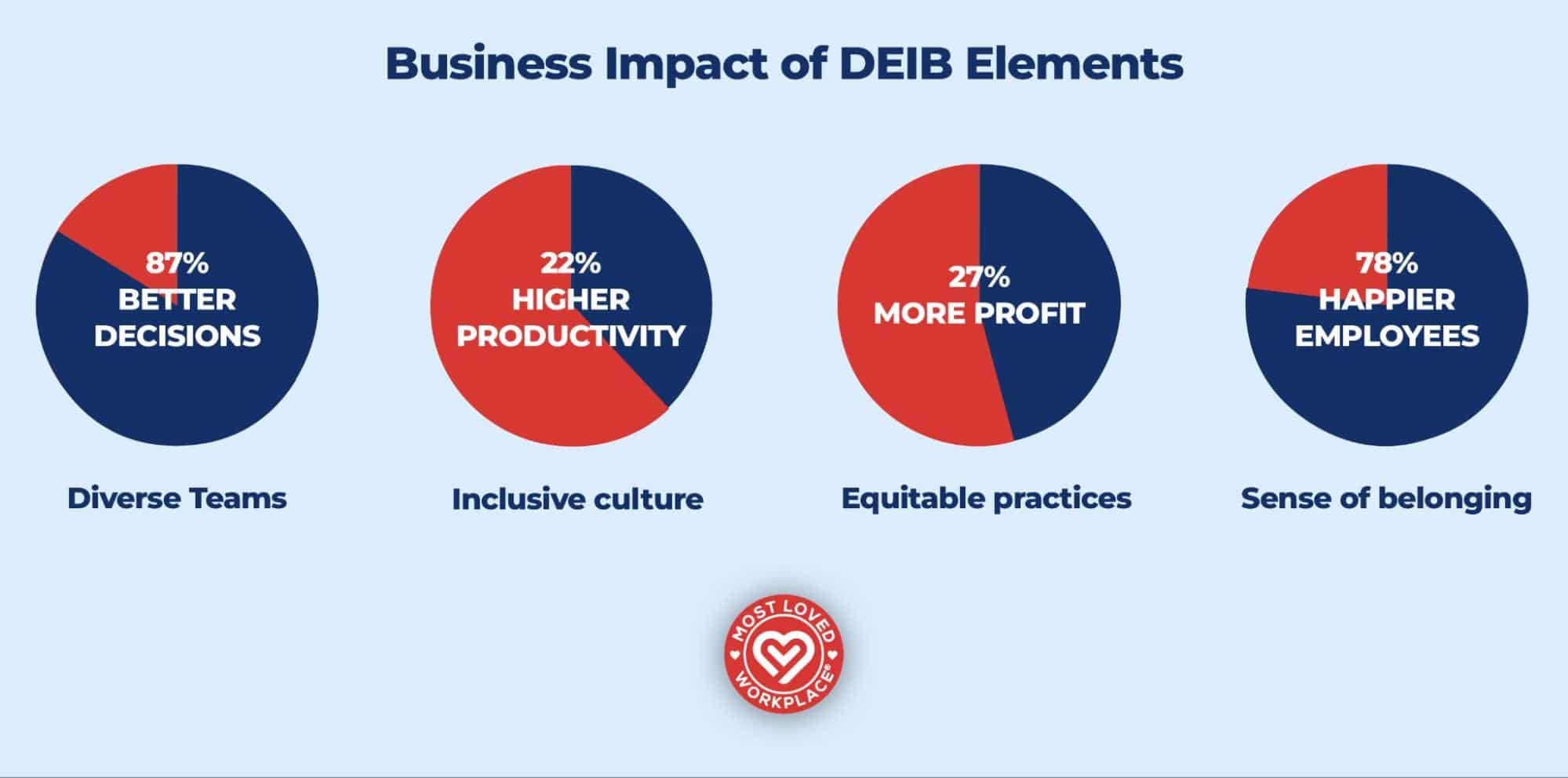
Diverse teams
|
87% better decisions
|
|
Inclusive culture
|
22% higher productivity
|
|
Equitable practices
|
27% more profit
|
|
Sense of belonging
|
By focusing on DEIB, you’re not just doing the right thing – you’re setting your business up for success.
Measuring & Reporting DEIB Goals – DEIB Strategy Training for an Inclusive Workplace
What DEIB means for your business
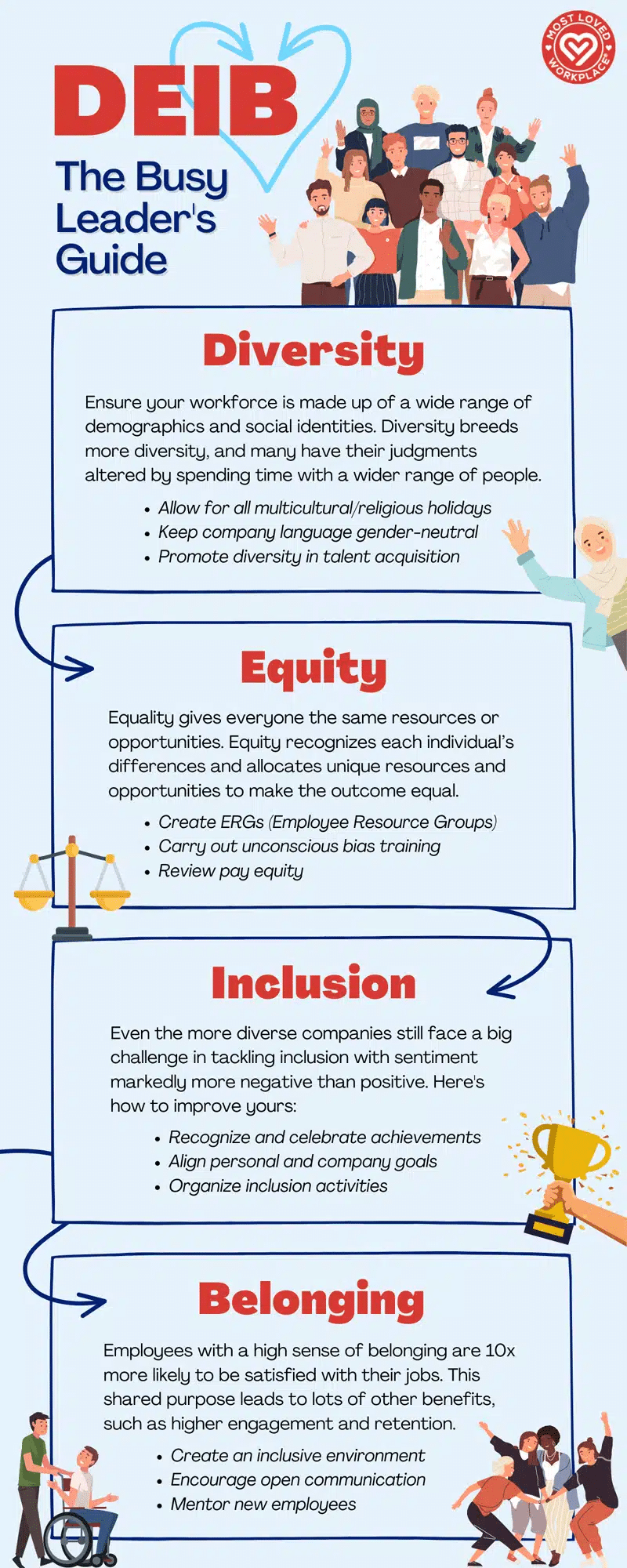
Defining DEIB
DEIB stands for Diversity, Equity, Inclusion, and Belonging. It’s not just a buzzword – it’s a game-changer for your workplace.
Here’s the breakdown:
|
Team
|
What it means
|
|---|---|
|
Diversity
|
Mix of different backgrounds
|
|
Equity
|
Fair shot at success for all
|
|
Inclusion
|
Everyone's involved
|
|
Belonging
|
Everyone feels valued
|
Time and Money:
Prices vary a lot. Some examples:
• SHRM Inclusive Workplace Culture Credential: $1,830 (members)
• eCornell Diversity & Inclusion Certificate: $3,699
• AIHR Certification Program: $1,125
Most take 2-6 months, depending on how fast you work.
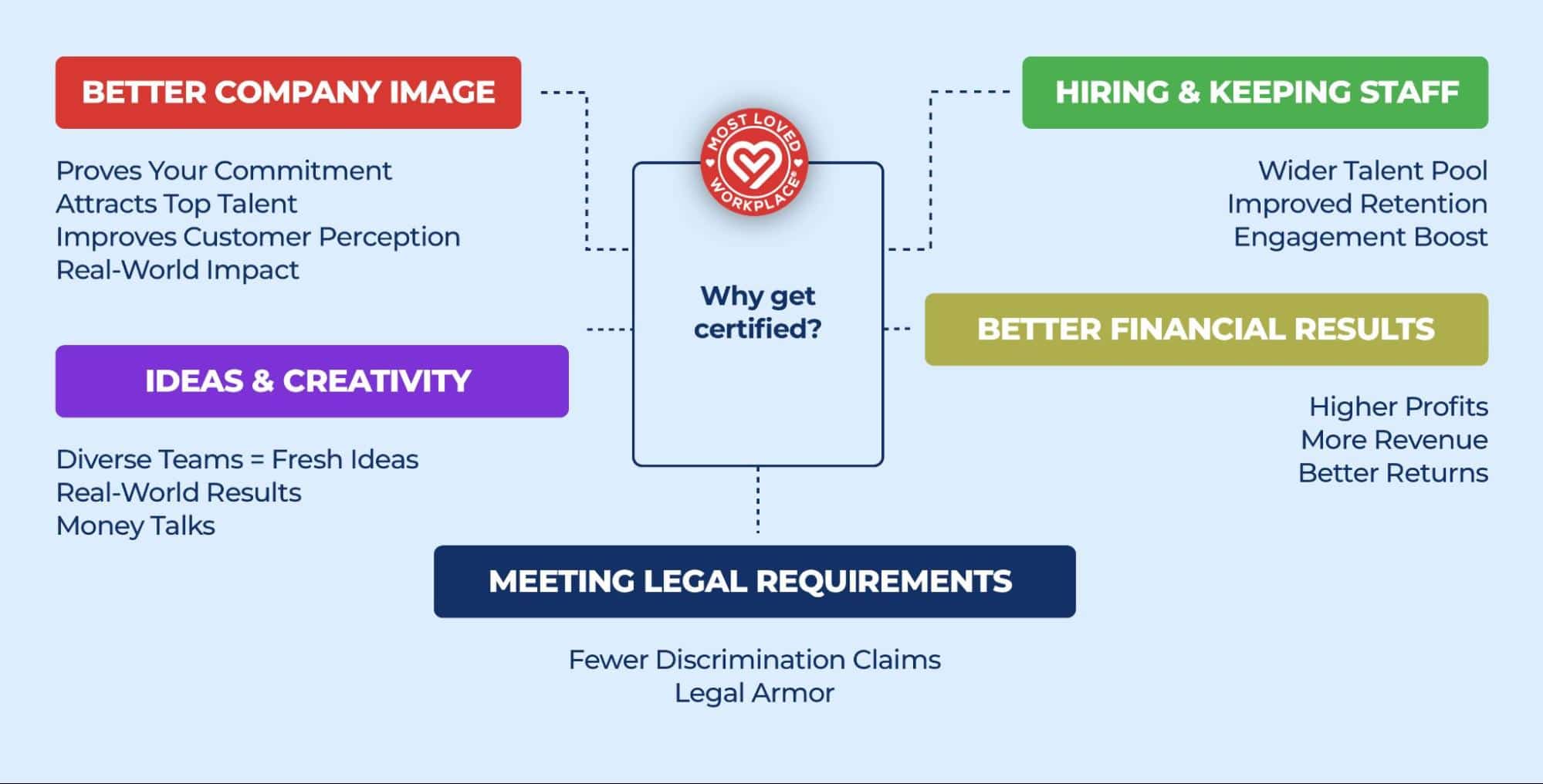
DEIB’s business impact
DEIB isn’t just feel-good fluff – it’s a profit booster. Check this out:
• Diverse teams make better decisions 87% of the time (Cloverpop)
• Top diverse firms are 35% more likely to have above-average profits (McKinsey)
But that’s not all. DEIB can:
• Spark creativity
• Open new markets
• Boost team happiness and productivity
“A diverse workforce has a direct impact on a company’s bottom line.” – Meredith Morales, LinkedIn Senior Program Manager
DEIB challenges
DEIB isn’t always smooth sailing. Watch out for:
• Leadership not buying in
• Unconscious bias
• Measuring progress
• Team resistance
Don’t sweat it – we’ll tackle these issues later in the guide.
Check your current DEIB status
Before aligning DEIB efforts with business goals, you need to know where you stand. Here’s how to check your current DEIB status:
Do a DEIB review
Take a good look at your company’s DEIB practices. This isn’t just about counting heads – it’s about understanding the whole picture.
- Survey your team: Ask employees about inclusion and equal opportunities.
- Check your numbers: Compare workforce demographics to industry standards.
- Look at turnover: High turnover might signal inclusivity issues.
“DEIB goals must have a strong foundation rooted in data.” – Jason Thompson, VP of DE and I at Western Governors University
Look at company goals
See how DEIB fits into your bigger business picture:
- Review your business plan: Where does DEIB show up? Where’s it missing?
- Check your metrics: Are you tracking DEIB-related KPIs?
- Talk to leaders: Is DEIB a priority for them?
Find the gaps
Spot the differences between your DEIB status and business goals:
|
DEIB Effort
|
Business Goal
|
Gap
|
|---|---|---|
|
25% diverse hires
|
35% market share in new demographics
|
10% increase in diverse hiring needed
|
|
Annual inclusion training
|
More frequent, targeted training required
|
|
|
Pay equity review every 2 years
|
Achieve 100% pay equity by 2025
|
Annual reviews needed
|
Set DEIB goals for 2025
You’ve checked your DEIB status. Now, let’s set clear goals for 2025 that fit your company’s mission and drive change.
Use SMART goals
SMART goals create clear, trackable DEIB targets:
• Specific: What exactly do you want?
• Measurable: How will you track it?
• Achievable: Is it realistic?
• Relevant: Does it fit your business?
• Time-bound: When’s the deadline?
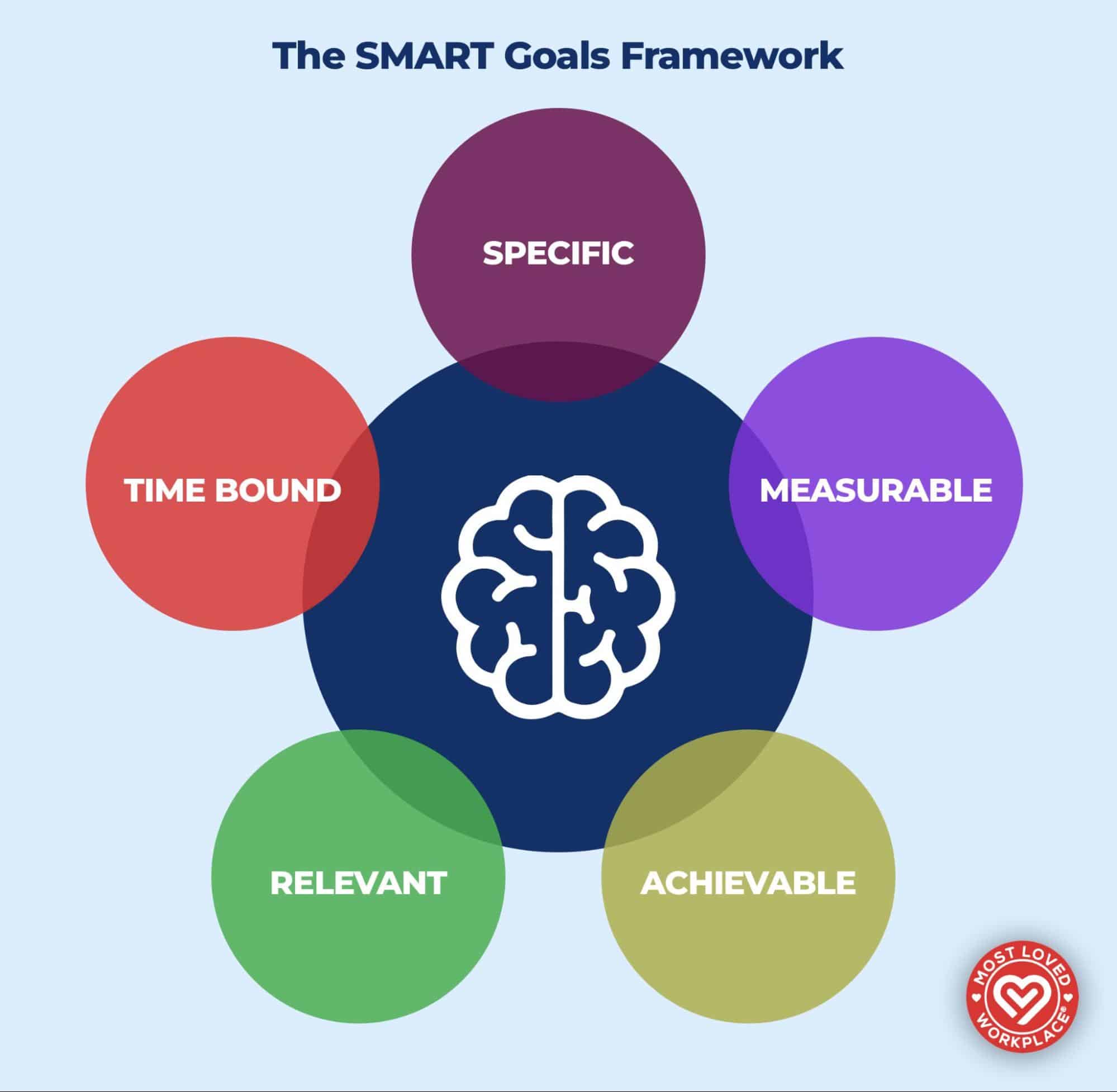
Don’t just say “improve diversity.” Instead, aim for “increase women in leadership by 20% by December 2025.“
Link to company values
Your DEIB goals should match your core values. This makes DEIB part of the business, not just HR’s job.
Here’s how Accenture did it:
|
Goal
|
Timeframe
|
Value Connection
|
|---|---|---|
|
Boost Black representation from 9% to 12%
|
By 2025
|
Community diversity
|
|
Double racially diverse managing directors
|
Not set
|
Leadership diversity
|
Track your progress
Pick key metrics to measure DEIB success:
- Diversity in hiring and promotions
- Pay equity
- Employee engagement
- Retention of underrepresented groups
Ulysses Smith from Blend says: “It’s so important to use data to set goals and keep people accountable.“
Ways to connect DEIB with business goals
To make DEIB a core part of your company, weave it into every aspect of your business. Here’s how:
Include all departments
DEIB isn’t just HR’s job. It’s everyone’s:
• Product teams: Design for all users
• Marketing: Create inclusive campaigns
• Sales: Reach diverse customers
• Operations: Build fair processes
Lynette Barksdale, Global Head of Inclusion & Diversity at Visa, puts it this way:
“It’s not just about what the inclusion and diversity team is doing. It’s about partnering across the entire employee lifecycle to embed the right practices and principles into all parts of the business.“
Make everyone responsible
Set clear goals for each team:
|
Department
|
DEIB Goal Example
|
|---|---|
|
Sales
|
Increase diverse partnerships by 25%
|
|
HR
|
Boost diverse hires by 20%
|
|
Product
|
Improve accessibility features
|
Ulysses Smith from Blend emphasizes:
“Using data to set goals and keep people accountable is crucial.“
Include in hiring and training
- Use inclusive job descriptions
- Create diverse interview panels
- Offer DEIB training for all employees
One tech company saw a 20% rise in diverse hires after changing their hiring process.
DEIB isn’t a one-and-done deal. It’s an ongoing effort that needs constant work and updates.
Put DEIB plans into action
You’ve set your DEIB goals. Now what? Let’s turn those plans into real changes.
Get leaders on board
Without top-level support, your DEIB efforts might fizzle out. Here’s how to get leaders involved:
• Make DEIB a regular executive meeting topic
• Ask leaders to share DEIB updates company-wide
• Have executives sponsor DEIB initiatives
Take a page from Microsoft’s book. CEO Satya Nadella made diversity a key strategy, leading to a 56% increase in women in tech roles from 2016 to 2020.
Create a full plan
Your DEIB plan should align with your business goals. Include these components:
|
Component
|
Description
|
|---|---|
|
Goals
|
Measurable DEIB targets
|
|
Timeline
|
Goal deadlines
|
|
Resources
|
Budget and people
|
|
Metrics
|
Success measures
|
|
Responsibilities
|
Who does what
|
Break it down
Turn each DEIB goal into bite-sized, actionable steps. For example:
- Increase diverse hires by 20%
• Update job descriptions
• Train hiring managers on bias
• Partner with diverse networks
• Set up diverse interview panels
- Improve product accessibility
• Conduct an accessibility audit
• Prioritize top issues
• Set fix deadlines
• Test with users with disabilities
- Create inclusive meetings
• Train team leads on inclusive practices
• Implement a “no interruptions” rule
• Rotate meeting facilitators
• Get post-meeting feedback
Track and improve progress
Want your DEIB plans to actually work? You need to keep tabs on them. Here’s how:
Choose what to measure
Pick numbers that show if your DEIB plans are helping your business. For example:
• % of diverse hires
• Employee satisfaction scores
• Retention rates for underrepresented groups
• Promotions for diverse employees
Set up regular reports
Create a system to track progress and get feedback. This could include:
• Monthly diversity dashboards
• Quarterly DEIB surveys
• Annual pay equity reviews
“When done right, DEI metrics are a powerful way to track progress, measure impact, and prioritize initiatives.” – Marna van der Merwe, AIHR
Make changes based on results
Use your data to improve your DEIB plans:
- Review the data
What’s working? What’s not?
- Get feedback
Ask your employees what they think.
- Adjust your plans
Change what’s not working. Do more of what is.
- Set new goals
As you improve, aim higher.
|
Step
|
Action
|
Example
|
|---|---|---|
|
1
|
Review data
|
Low promotion rates for women in tech roles
|
|
2
|
Get feedback
|
Survey female engineers about career growth
|
|
3
|
Adjust plans
|
Create mentorship program for women in tech
|
|
4
|
Set new goals
|
50% women in senior tech roles by 2027
|

Building a Thriving Workplace Culture!
Discover how to leverage the right technology and implement a proactive strategy that cultivates talent and facilitates team collaboration.
DEIB isn’t a one-and-done deal. It’s ongoing.
“We collaborate with partners who assist us in defining what success entails, providing us with a clear understanding of where we stand on this journey.” – Andrew Koenig, CEO of CITY Furniture
Solve common DEIB problems
DEIB isn’t always easy. Here are some common issues and how to tackle them:
Deal with pushback
People often resist DEIB efforts. A 2021 survey found 42% of employees don’t like their company’s DEIB initiatives. Here’s what to do:
- Listen first: Find out why people are pushing back. It’s usually fear or misunderstanding.
- Educate, don’t blame: Run workshops on DEIB benefits. Show how it helps everyone.
- Link to business: Use data to show how diversity boosts innovation and profits.
“DEIB leaders must do this work without making anyone feel like they’re losing out or being labeled as bad.” – Chely Wright, Chief Diversity Officer, Unispace
Work with limited resources
No big budget? Try these:
|
Initiative
|
Description
|
Impact
|
|---|---|---|
|
Employee Resource Groups
|
Groups for underrepresented staff
|
Builds community
|
|
Bias training
|
Use free online resources
|
Raises awareness
|
|
Mentorship
|
Pair diverse employees with seniors
|
Boosts careers
|
|
DEIB book club
|
Monthly book discussions
|
Encourages learning
|
Keep DEIB going long-term
DEIB needs constant attention. Here’s how to make it last:
- Make it part of everything: Include DEIB in all processes, from hiring to reviews.
- Measure and adjust: Track DEIB metrics and change your approach as needed.
- Reward DEIB work: Pay employees who lead DEIB initiatives, like Twitter and LinkedIn do.
- Lead by example: When execs prioritize DEIB, others follow.
“Doing anything once can’t change a culture that reinforces itself daily.” – Joan C. Williams and James D. White, Harvard Business Review
Use technology for DEIB
In 2025, tech will be crucial for aligning company goals with DEIB efforts. Here’s how:
Use data to make decisions
Data helps identify DEIB gaps and measure progress:
“In 2014, Apple and Google started sharing yearly diversity reports. These showed women made up about 30% of their workforce, with Black and Hispanic employees in the low single digits.”
“KPMG partnered with Harver to redesign entry-level hiring. They now use data-driven tests to assess skills, reducing bias.”
To start:
- Collect DEIB data across your company
- Use HR software to track employee demographics
- Analyze hiring, pay, promotions, and turnover rates
DEIB tools for HR
HR teams can leverage various tools to boost DEIB:
AI for DEIB
AI can help link DEIB to business goals:
• Strip names and ages from job applications to reduce bias
• Analyze performance reviews for unfair evaluations
• Suggest more inclusive language in company communications
Unilever uses AI to focus on skills in hiring, creating a more diverse talent pool.
But remember: AI should support, not replace, human decision-making in DEIB.
Examples of successful DEIB
Some companies have made real progress with DEIB. Let’s look at a few:
Accenture went all-in:
• Made everyone take training on antiracism and unconscious bias
• Wants a 50-50 split between men and women in their workforce
• Spent $1.1B to help employees learn and grow
Johnson & Johnson set clear goals:
• Aiming for 50% women in global management by 2025
• Want 35% racial diversity in U.S. management
• Have 12 Employee Resource Groups to boost inclusion
Mastercard hit some big milestones:
• Pay parity for women and people of color
• 81% of final interviews include women
• 9 Business Resource Groups with 130 chapters in 47 countries
Sodexo focused on gender balance:
• 37% women on executive committee
• 60% women on board of directors
• Result? 4% more employee engagement and 23% more gross profit
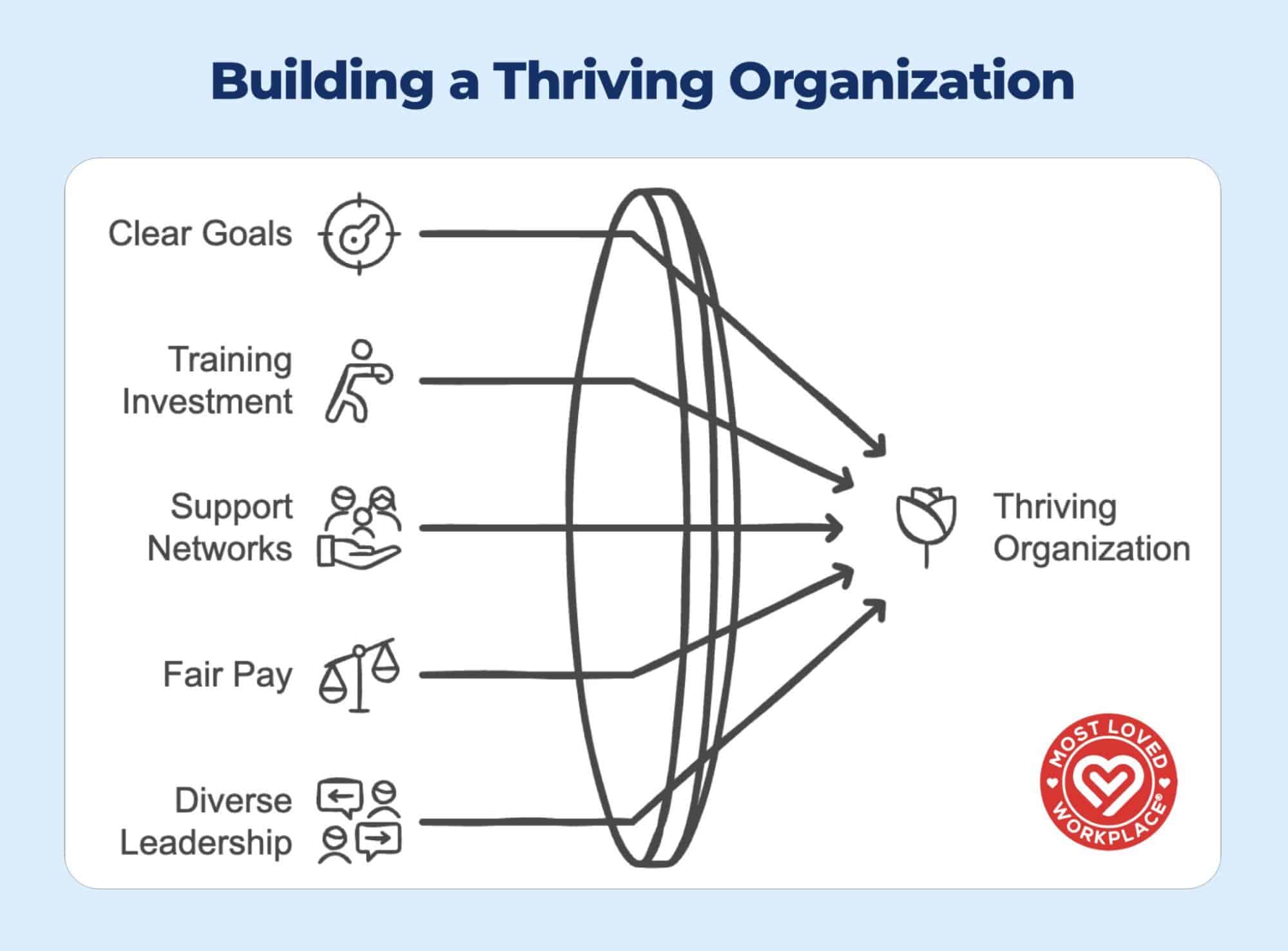
What can we learn?
These examples show us a few things:
- Set clear goals you can measure
- Invest in training
- Create support networks
- Focus on fair pay
- Aim for diverse leadership
Companies that take DEIB seriously see real benefits:
|
Benefit
|
Impact
|
|---|---|
|
Innovation
|
19% higher revenue
|
|
Performance
|
12% increase
|
|
Profitability
|
21% boost
|
|
Retention
|
82% more likely to keep top talent
|
To make DEIB work:
• Get the bosses on board
• Set specific targets
• Check your progress often
• Make policies that include everyone
• Build a culture where people feel they belong
Get ready for future DEIB trends
DEIB is changing fast. Here’s what’s coming by 2025 and how to prepare.
New workplace needs
Work in 2025 will look different:
• 32.6 million Americans working remotely
• More diverse U.S. population
• AI and VR in hiring and training
This means new DEIB challenges:
- Remote work fairness
Give remote workers equal opportunities. Consider:
|
Area
|
Action
|
|---|---|
|
Tech access
|
Provide equipment
|
|
Promotions
|
Fair evaluations
|
|
Pay
|
Regular audits
|
- Intersectionality focus
Look at how different identities interact at work.
- AI and bias
Check AI tools often to avoid unfair decisions.
Update your plans
Stay ahead with these changes:
- Use data
Track DEIB progress with numbers. Only 20% of companies do this now.
- Set clear goals
Make DEIB goals SMART: Specific, Measurable, Achievable, Realistic, Timely.
- Train leaders
Help bosses create an inclusive workplace.
- Support mental health
Create policies for employee well-being.
- Be open about goals
Share DEIB targets. It builds trust and accountability.
“DEIB is about facts, not feelings. When environments are inclusive, engagement and performance improve.” – Corey Williams, Sair Collective founder
Conclusion
To connect DEIB with business goals:
- Set clear DEIB goals
Use SMART:
|
Criteria
|
Example
|
|---|---|
|
Specific
|
Boost women in leadership by 20%
|
|
Measurable
|
Track quarterly
|
|
Achievable
|
Based on talent pool
|
|
Relevant
|
Matches company values
|
|
Time-bound
|
Hit by end of 2025
|
- Link DEIB to business outcomes
Show DEIB’s impact on:
• Keeping employees
• Sparking innovation
• Making customers happy
- Include everyone
DEIB isn’t just HR’s job. It’s everyone’s.
- Use data to decide
Track:
• Diversity in hiring and promotions
• Fair pay
• How engaged employees are
- Get leaders on board
They must walk the DEIB talk and hold teams accountable.
Keep DEIB moving forward
DEIB never stops. To keep it going:
• Check progress often
• Stay on top of DEIB trends
• Share wins, learn from hiccups
• Keep training
• Build a place where everyone belongs
Remember: DEIB is a journey, not a destination. Keep pushing forward, and you’ll see the benefits in your business and your people.
FAQs
How to measure success of DEI efforts?
Tracking DEI success isn’t just about feel-good metrics. It’s about hard data that shows real progress. Here’s how to do it:
- Recruitment funnel
Look at diversity at each hiring stage. Are underrepresented candidates dropping off? Where?
- Employee turnover
Compare turnover rates across groups. Higher turnover in certain groups? That’s a red flag.
Survey your team. Do they feel included? Safe? Treated fairly?
- Career progression
Who’s getting promoted? How fast? Spot any patterns across demographics.
- Pay equity
Regular pay audits are a must. Ensure fair compensation across all groups.
- Business impact
Link DEI to business results. Does it boost innovation? Customer satisfaction? The bottom line?
|
Metric
|
What to Track
|
Why It Matters
|
|---|---|---|
|
Recruitment
|
% diverse candidates per stage
|
Shows if hiring is truly inclusive
|
|
Attrition
|
Turnover rates by group
|
Flags potential inclusion issues
|
|
Sentiment
|
Inclusion survey scores
|
Measures perceived workplace inclusivity
|
|
Progression
|
Promotion rates across groups
|
Spots career advancement barriers
|
|
Pay
|
Compensation data by group
|
Ensures fair pay practices
|
|
Outcomes
|
DEI impact on business KPIs
|
Links DEI to company success
|
DEI measurement isn’t a one-and-done deal. Keep reviewing and tweaking your metrics to match your goals and values.
“You can’t manage what you can’t measure. And that’s the case with DEI initiatives and efforts.” – Anthony Clay, co-founder and CEO of Indi
Take the next step on your employer brand
Three ways to move from reading to results. Pick what fits your stage.
Run your CertCheck report
See how AI systems currently describe your employer brand to candidates.
Get My Free ReportApply for certification
Measure your organization on the Love of Workplace Index® and join 1,800+ certified companies.
Start ApplicationTalk to a Strategic Advisor
Walk through your Employer Branding & Certification Insights report with a specialist.
Keep reading
Building a Caregiver-Friendly Workplace: Why It Matters More Than Ever
Building a Caregiver-Friendly Workplace: Why It Matters More Than Ever Direct Answer A caregiver-friendly workplace is an organization that designs policies, manager practices, and measurement systems to support employees with ongoing caregiving responsibilities while maintaining productivity and retention. Research shows caregiving affects a majority of full-time employees and directly reduces work hours, focus, and retention […]
How Most Loved Workplaces® Support Working Parents in the Modern Workplace
How Most Loved Workplaces® Support Working Parents in the Modern Workplace Why Family Support Matters in Today’s Workplace Most Loved Workplace®–certified organizations recognize that working parents face persistent challenges in balancing professional and family responsibilities. Research from Deloitte shows that 95% of women say workplace flexibility is critical to managing work and home demands. When […]
Employee Well-Being Strategy: Building a Workplace Where People Thrive
Employee Well-Being Strategy: Building a Workplace Where People Thrive Employee well-being is no longer a “nice to have.” It is becoming a core part of how companies protect performance, retain talent, and earn trust. Workplace stress is already widespread. The American Psychological Association’s 2023 Work in America survey found that 77% of workers reported work-related […]