
How to Engage Remote Employees Across Cultures
How to Engage Remote Employees Across Cultures 8 min. read. By implementing strategic communication practices, fostering a sense of community, and providing consistent support, you can ensure that every team member feels included and valued, regardless of their location. So here’s how to maintain high levels of engagement within your global remote team: Use smart […]
How to Engage Remote Employees Across Cultures
8 min. read.
By implementing strategic communication practices, fostering a sense of community, and providing consistent support, you can ensure that every team member feels included and valued, regardless of their location. So here’s how to maintain high levels of engagement within your global remote team:
- Use smart communication tools
- Build trust through clear expectations
- Create culturally-sensitive reward systems
- Offer cross-cultural learning opportunities
- Get regular feedback and act on it
Key strategies:
• Choose the right mix of communication tools (video, chat, email)
• Set clear goals and run virtual team-building activities
• Personalize rewards based on cultural preferences
• Provide cultural awareness training and mentoring
• Use surveys and check-ins to gauge engagement
Quick study of these 5 steps above, why they’re important and tips for implementing them:
Table of Contents
|
Strategy
|
Why It Matters
|
Quick Tip
|
|---|---|---|
|
Communication
|
Bridges cultural gaps
|
Use varied tools
|
|
Trust-building
|
Foundation for teamwork
|
Be consistent
|
|
Recognition
|
Motivates across cultures
|
Personalize rewards
|
|
Learning
|
Improves understanding
|
Offer cultural training
|
|
Feedback
|
Drives improvement
|
Act on input
|
Remember: There’s no one-size-fits-all solution. Keep trying new approaches and asking your team what works best.
Remote Employee Engagement Tips That ACTUALLY Work
3. Key Cultural Differences
Managing remote teams across cultures? You need to know the big differences. Here are three areas that often trip up global virtual teams:
3.1 Direct vs. Indirect Communication
Some cultures like it straight down the line. Others prefer subtlety. This can cause major headaches in remote work.
|
Style
|
What it looks like
|
Who does it
|
|---|---|---|
|
Direct
|
Straight to the point
|
USA, Germany
|
|
Indirect
|
Reading between the lines
|
Japan, China
|
Here’s the problem: An American might think a Japanese colleague is being vague. A Japanese worker might find an American too blunt.
Do you agree or disagree with this statement? Let us know your experiences in the comments or via our socials. We’d love to hear from as many of you as possible about the topics we raise in these blogs!
3.2 Personal vs. Group Focus
Some cultures are all about “me“. Others put “we” first. This affects how people work together remotely.
|
Focus
|
What matters
|
Who does it
|
|---|---|---|
|
Personal
|
Individual wins
|
USA, Canada
|
|
Group
|
Team harmony
|
China, South Korea
|
In group-focused cultures, it’s all about the team’s success. In personal-focused cultures, individual achievements get the spotlight.
3.3 Time and Work-Life Balance
How people view time and work-life balance varies globally. This can cause friction in remote teams.
|
Aspect
|
How it varies
|
Real-world example
|
|---|---|---|
|
Work hours
|
Flexible or Fixed
|
France: 35-hour workweek
|
|
Time off
|
Little or Lots
|
USA: 13 days PTO vs. France: 30 days
|
|
Work-life mix
|
Blended or Separate
|
Japan: Long hours vs. Netherlands: Strict division
|
These differences can lead to misunderstandings. A US manager might expect quick replies at odd hours. A French team member might see that as invading personal time.
Understanding these cultural differences is step one in bridging gaps in remote teams. Recognize and respect these variations, and you’ll boost communication, teamwork, and engagement across cultures.
4. Better Communication Methods
Remote teams need smart ways to talk. Here’s how:
4.1 Choosing the Right Tools
Pick tools that help everyone understand each other:
|
Tool
|
What it does
|
Why it's useful
|
|---|---|---|
|
Chat and file sharing
|
Quick messages, organized topics
|
|
|
Video calls
|
Face-to-face talks, screen sharing
|
|
|
Document storage
|
Work together on files
|
|
|
Project management
|
Keep track of tasks and talks
|
4.2 Dealing with Language Differences
Language gaps can cause mix-ups. Here’s how to fix that:
• Use simple words. No slang or complex terms.
• Speak slowly in calls.
• Share meeting notes after.
• Use Google Translate for quick help.
• Offer language classes.
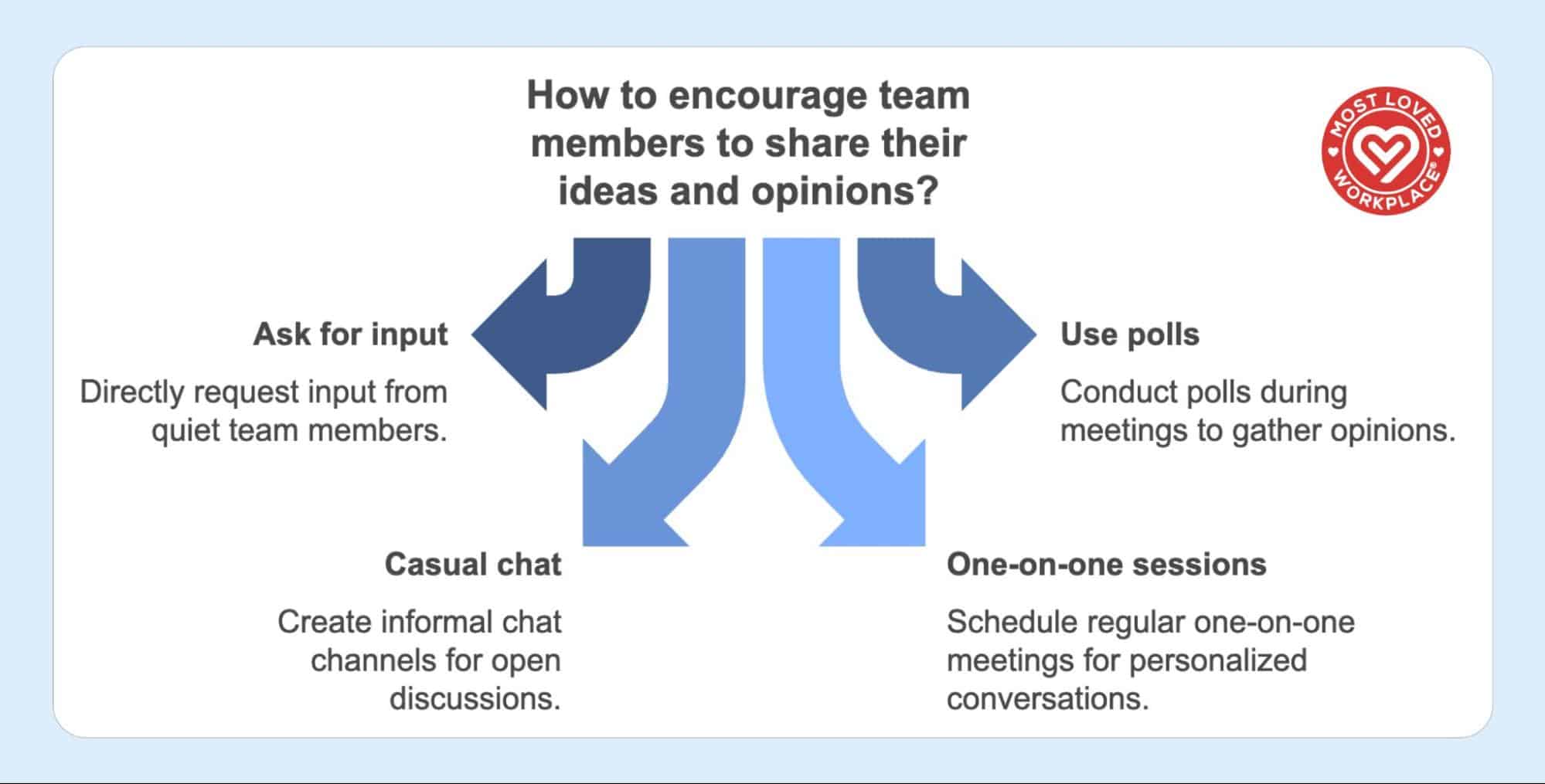
4.3 Creating Open Discussions
Make it easy for everyone to share ideas:
• Ask quiet team members for input.
• Use polls in meetings.
• Set up casual chat channels.
• Have regular one-on-one sessions.
Good talk helps remote teams work better together, no matter where they’re from.
Enjoying this post? Why not also open this in another tab to read later? 9 Ideas for Creating a Good Work Environment That Breeds Positivity
5. Building Trust and Connections
Trust is the glue that holds remote teams together. Here’s how to make it stick:
5.1 Setting Clear Expectations
Want your team to work like a well-oiled machine? Set clear expectations:
• Spell out job duties for each team member
• Define team and individual goals
• Check in regularly to track progress
5.2 Online Team-Building Activities
Who says remote teams can’t have fun? Try these virtual bonding activities:
|
Activity
|
What It Is
|
Why It's Great
|
|---|---|---|
|
Virtual Escape Room
|
Online puzzle-solving adventure
|
Boosts teamwork and problem-solving
|
|
Themed Social Hours
|
Non-work chat sessions
|
Helps team members connect personally
|
|
Show & Tell
|
Sharing personal interests
|
Encourages learning and deeper connections
|
5.3 Appreciating Cultural Differences
Diversity is your team’s superpower. Here’s how to harness it:
• Get to know your team’s backgrounds
• Celebrate different holidays and traditions
•Ask about cultural norms and preferences

6. Rewards That Work Across Cultures
Creating a reward system for a global team isn’t easy. Different cultures value different types of recognition. Let’s break it down.
6.1 How Different Cultures View Recognition
Culture shapes how people like to be appreciated. Check out these stats:
|
Culture
|
Top Recognition Style
|
|---|---|
|
Chinese & Brazilian
|
Verbal praise (55.3% & 61.2%)
|
|
Thai & Turkish
|
Acts of service (44.7% & 38.2%)
|
|
Most international employees
|
Tangible gifts (only 1-6%)
|
In some cultures, praise from the boss means more. It’s all about context.
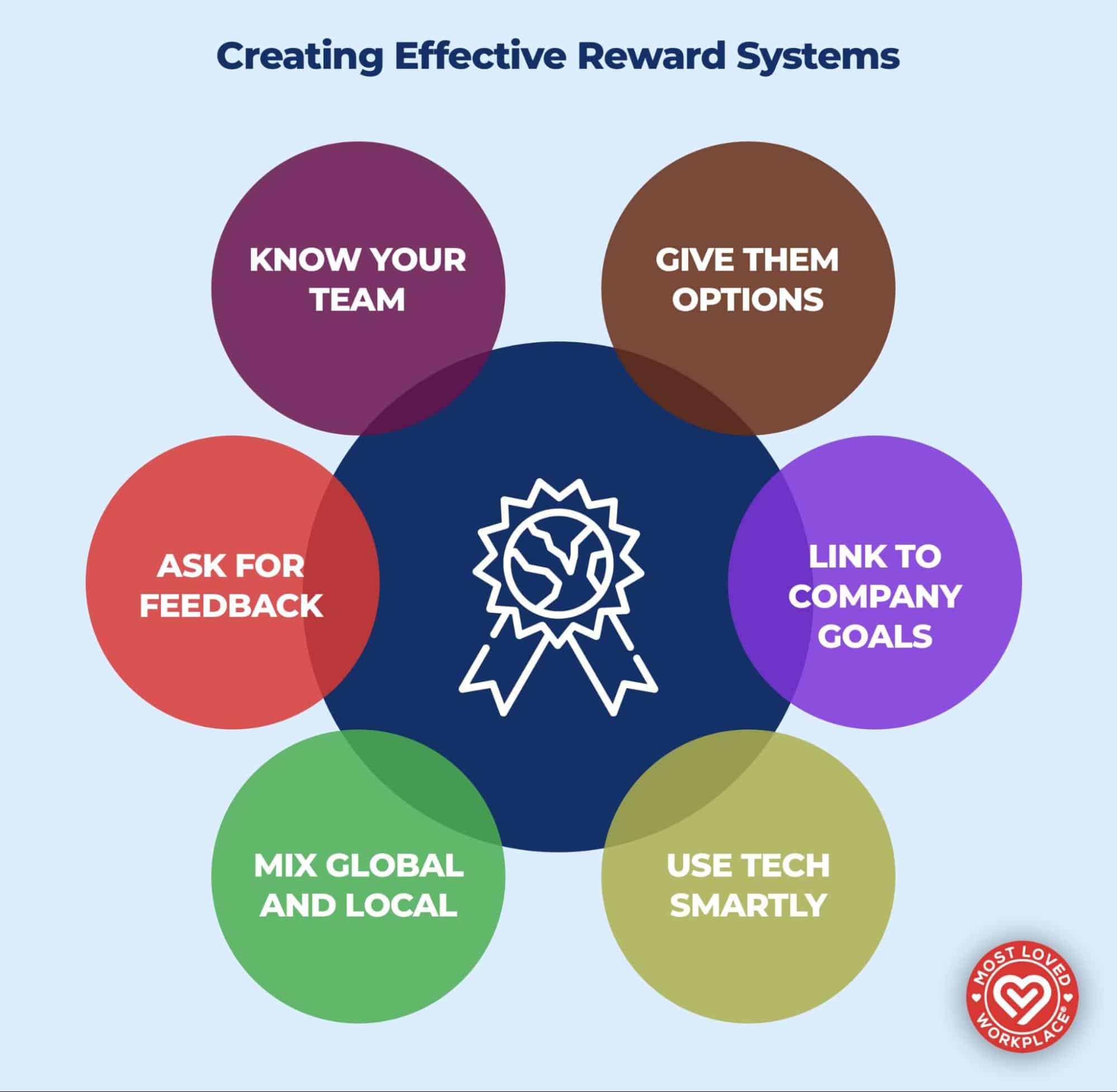
6.2 Creating Effective Reward Systems
Want a reward system that works for everyone? Here’s how:
- Know your team
Learn about your employees’ backgrounds. It’s the first step to inclusive recognition.
- Give options
Let people choose how they’re recognized. Some ideas:
• Shout-outs in team meetings
• Private thank-you notes
• Extra vacation days
• Training opportunities
- Link to company goals
Show how individual efforts help the big picture. It adds meaning to the recognition.
- Use tech smartly
Try a recognition platform for quick, frequent appreciation. SAP does this with their “SAP Values Recognition” system.
- Mix global and local
Blend company-wide practices with cultural traditions. Tata Consultancy Services (TCS) does this by holding special award ceremonies during Diwali.
- Ask for feedback
Check in with your team about what they like. It shows you care and helps you improve.

Building a Thriving Workplace Culture!
Discover how to leverage the right technology and implement a proactive strategy that cultivates talent and facilitates team collaboration.
7. Encouraging Teamwork for All
7.1 Inclusive Online Meetings
Want to make your online meetings work for everyone? Here’s how:
Pick a meeting leader. Switch it up to give everyone a shot. Open the room early – 5-10 minutes before kickoff. It helps remote folks feel part of the gang.
Do a quick tech check. “Everyone see and hear okay?” It’s a fast way to squash any glitches.
Use shared docs during the meeting. It keeps remote workers in the loop. Start with a quick hello from each person. It builds team spirit.
When planning, think about time zones. Try to find times that work for all:
|
Time Zone
|
Meeting Time
|
Local Time
|
|---|---|---|
|
EST
|
11:00 AM EST
|
11:00 AM
|
|
PST
|
11:00 AM EST
|
8:00 AM
|
|
GMT
|
11:00 AM EST
|
4:00 PM
|
|
Low-context
|
Prefer hard data and analysis
|
After the meeting, share a recording and chat log; this keeps everyone on the same page.
7.2 Using Different Viewpoints
Want to tap into your team’s diverse backgrounds? Try this:
Ask for input. Make it clear: you want to hear from EVERYONE. Different views can spark better solutions.
For big meetings, use breakout rooms. It gives the quiet ones a chance to speak up.
Try virtual team building. Online games can help your team bond. Jackbox games? They’re a hit with remote teams.
Got folks in different time zones? Rotate meeting times. It spreads out the inconvenience.
Let people choose how they join. Some might prefer video off or using chat. Options are good.
Remember: diverse teams bring diverse solutions. Use these tips to make the most of your team’s unique perspectives.
8. Offering Learning Opportunities
8.1 Cultural Awareness Training
Want your team to work better across cultures? Give them targeted training. Set up programs that teach about different cultures and work styles.
The University of Southern Indiana offers a Cultural Awareness Training (CAT) Certification. It covers:
• Cultural sensitivity
• Unconscious bias
• Diversity, equity, and inclusion
Graduates can lead cultural sensitivity training in various roles.
MIT Professional Education has a course called “Cultural Awareness for Global Business“. It helps pros:
- • Work well in multicultural teams
- • Solve problems across cultures
- • Avoid misunderstandings
“To operate in intercultural environments, it is necessary to recognize, accept and appreciate differences to other communities.” – Bhaskar Pant, Executive Director of MIT Professional Education
8.2 Mentoring Across Cultures
Bridge cultural gaps with mentoring programs. Both mentors and mentees learn from each other.
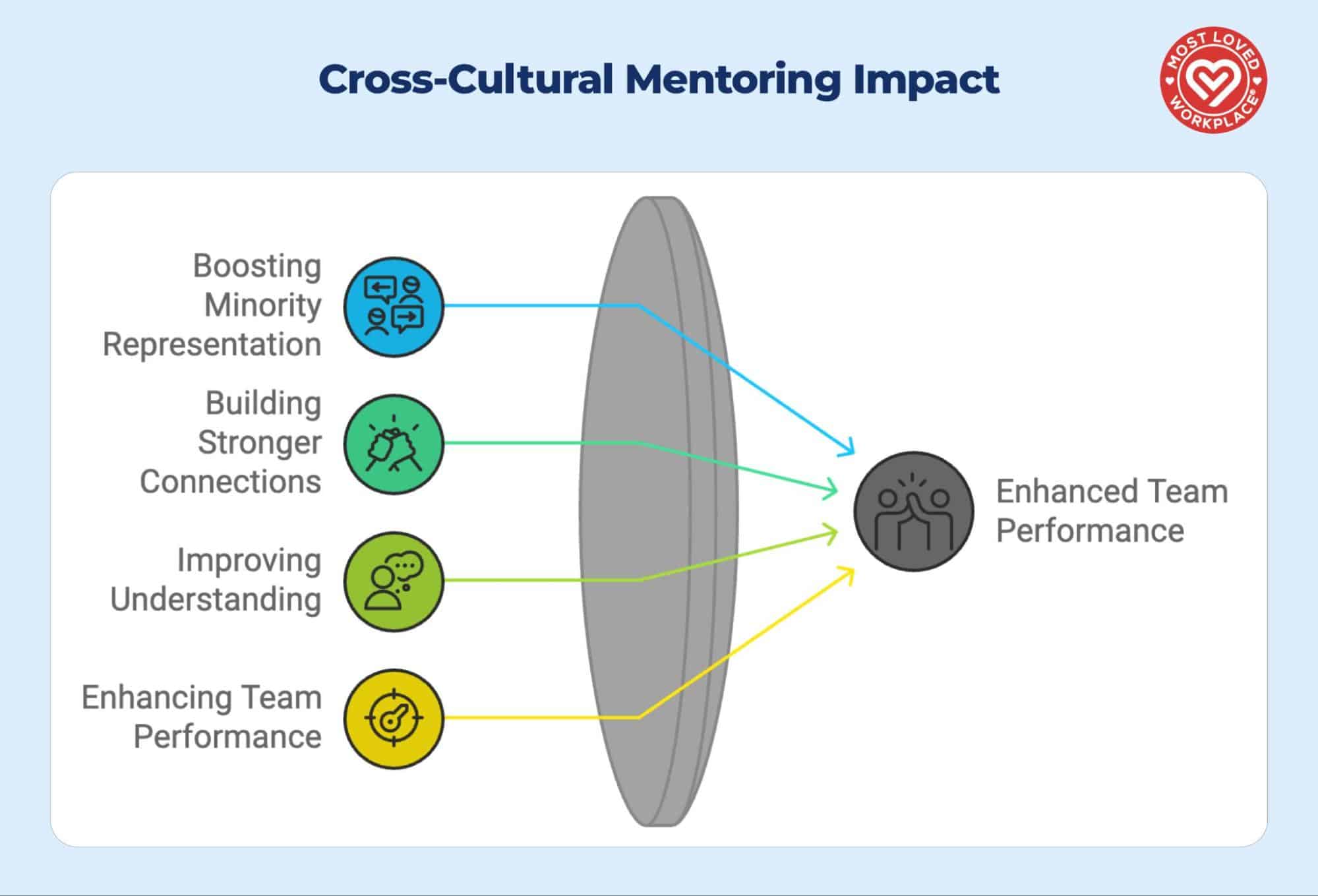
The numbers don’t lie:
• Minority representation in management jumped from 9% to 24%
• 74% of minority individuals join these programs
• 32% say their mentoring relationship is “extremely important“
Want effective cross-cultural mentoring? Try these:
- Use video calls for stronger connections
- Match based on shared interests, not just culture
- Schedule regular meetings
- Encourage both sides to share their views
9. Checking and Improving Engagement
9.1 Creating Engagement Surveys
Want to know how your remote team is doing across cultures? Ask them. That’s where engagement surveys come in.
Here’s how to make them work:
• Keep it simple
• Don’t assume cultural norms
• Translate if needed
• Ask open-ended questions
A solid survey covers these bases:
|
Area
|
Question Example
|
|---|---|
|
Communication
|
"Feel heard in meetings?"
|
|
Work-life balance
|
"Workload manageable?"
|
|
Team connection
|
"How often do you chat with colleagues from other cultures?"
|
|
Career growth
|
"See a future here?"
|
9.2 Getting Regular Feedback
One survey won’t cut it. You need ongoing feedback to stay on top of things.
Try these:
- Weekly pulse checks
Quick, 1-2 question surveys. Fast to answer, real-time insights.
- Monthly one-on-ones
Video calls with team members. Personal touch uncovers hidden issues.
- Quarterly focus groups
Small groups from different cultures discuss engagement. Highlights cultural differences.
Here’s the kicker: feedback is useless if you don’t use it. Make a plan based on what you learn and share it with your team.
“Companies that regularly seek feedback see a 14.9% lower turnover rate.” – Psico-smart Editorial Team
Don’t just collect data. Act on it.
Final Thoughts
Remote work across cultures is here to stay. It brings opportunities and challenges. Here’s how to keep your global team engaged:
Smart communication
Choose the right tools for your team. Mix video calls, chat, and emails. What works in one culture might not in another.
Build trust
Set clear goals. Run online team activities. Value different cultures. This creates trust.
Reward effectively
Different cultures view rewards differently. Create a system that works for everyone. Mix public praise with private bonuses.
Learn together
Offer cultural awareness training. Set up cross-cultural mentoring. It improves mutual understanding.
Check-in and improve
Use surveys to gauge progress. Get frequent feedback. Act on what you learn.
There’s no one-size-fits-all solution. Keep trying new things. Ask your team what they need. Stay flexible.
Companies mastering remote work across cultures will lead the way. It’s about setting the pace, not just keeping up.
|
Key Area
|
Why It Matters
|
Quick Tip
|
|---|---|---|
|
Communication
|
Bridges cultural gaps
|
Use varied tools
|
|
Trust
|
Teamwork foundation
|
Be open and consistent
|
|
Recognition
|
Cross-cultural motivation
|
Personalize rewards
|
|
Learning
|
Builds understanding
|
Offer cultural training
|
|
Feedback
|
Drives improvement
|
Act on input
|
Engaging remote employees across cultures boosts results, innovation, and worker satisfaction.
Keep connecting, understanding, and engaging your global team. In today’s world, it’s a must-have.
FAQs
How would you build a successful cross-cultural virtual team?
Building a cross-cultural virtual team isn’t easy. But it’s not rocket science either. Here’s how to do it:
Pick the right tools. Slack for quick chats, Zoom for video calls, Asana for projects. Simple.
Train your team on cultural differences. It’ll save you headaches later.
Write down team goals and rules. Everyone needs to be on the same page.
Get people talking. As David Lewis, CEO of OperationsInc, puts it: “Communication in a virtual environment is often less frequent, less rich, and thus more challenging.“
Use a shared platform. Microsoft Teams or Google Workspace work well.
Here’s a quick breakdown:
|
Action
|
Why?
|
Tool Example
|
|---|---|---|
|
Pick communication tools
|
Match team needs
|
Slack
|
|
Cultural training
|
Avoid mix-ups
|
|
|
Team charter
|
Set expectations
|
Google Docs
|
|
Open communication
|
Get everyone involved
|
Team meetings
|
|
Collaboration platform
|
Keep info flowing
|
Microsoft Teams
|

Take the next step on your employer brand
Three ways to move from reading to results. Pick what fits your stage.
Run your CertCheck report
See how AI systems currently describe your employer brand to candidates.
Get My Free ReportApply for certification
Measure your organization on the Love of Workplace Index® and join 1,800+ certified companies.
Start ApplicationTalk to a Strategic Advisor
Walk through your Employer Branding & Certification Insights report with a specialist.
Keep reading

Why Young Professionals Choose Where They Work Before They Ever Apply
Why Young Professionals Choose Where They Work Before They Ever Apply Every year, veterinary schools in the United States graduate a limited number of new veterinarians into a field with far more open positions than available candidates. The supply crisis in veterinary medicine isn’t new. What’s changed is how new vets, the vet techs and […]

The Workplaces Where People Can Actually Be Human
The Workplaces Where People Can Actually Be Human There is a question that does not show up on most employee surveys, but that determines almost everything about whether people stay, perform, and bring their real selves to work. The question is not whether they feel satisfied. It is not whether they would recommend the company […]

Your Next Hire Is Asking AI About You
Blog Your Next Hire Is Asking AI About You Best Practice Institute May 4, 2026 What ChatGPT Says About Your Company as an Employer — and Why Most HR Leaders Have Never Checked Somewhere right now, a candidate who just received your interview invitation is opening a new browser tab. They are not going to […]