How to Retain Top Talent Through Disability-Inclusive Mentorship Programs
How to Retain Top Talent Through Disability-Inclusive Mentorship Programs 8 Min. Read In the quest for top talent retention, most organizations overlook their most powerful tool: inclusive mentorship. Let me share something remarkable with you – companies that implement structured disability-inclusive mentorship programs see an impressive 40% decrease in turnover rates. That’s not just a […]
How to Retain Top Talent Through Disability-Inclusive Mentorship Programs
- 8 Min. Read
In the quest for top talent retention, most organizations overlook their most powerful tool: inclusive mentorship. Let me share something remarkable with you – companies that implement structured disability-inclusive mentorship programs see an impressive 40% decrease in turnover rates.
That’s not just a number; it’s a testament to the power of love-based leadership in action. One of the keys to retaining top talent lies in creating disability-inclusive mentorship programs that combine professional development with genuine emotional connection and support.
- • The Power of Inclusive Mentorship
- • Designing Your Disability-Inclusive Mentorship Program
- • Building a Culture of Belonging
- • Measuring Success and ROI
- • Implementation Best Practices
- • Final Thoughts
As an organizational psychologist and founder of Most Loved Workplace®, I’ve seen firsthand how companies transform when they embrace inclusive mentorship.
It’s not just about checking boxes – it’s about creating an environment where every employee feels valued, supported, and empowered to grow. Here’s what we’ll explore in this comprehensive guide:
- • How to design effective disability-inclusive mentorship programs
- • Strategies for building a culture of belonging
- • Methods to measure and maximize your ROI
- • Practical implementation steps for immediate impact
Whether you’re struggling with retention or looking to enhance your existing programs, the strategies we’ll discuss are proven to work. As highlighted in our research on building loyal workforces, inclusive mentorship isn’t just good for employees – it’s essential for business success.
Become a Most Loved Workplace
|
Metric
|
Impact
|
|---|---|
|
Attrition Risk
|
|
|
Employee Performance
|
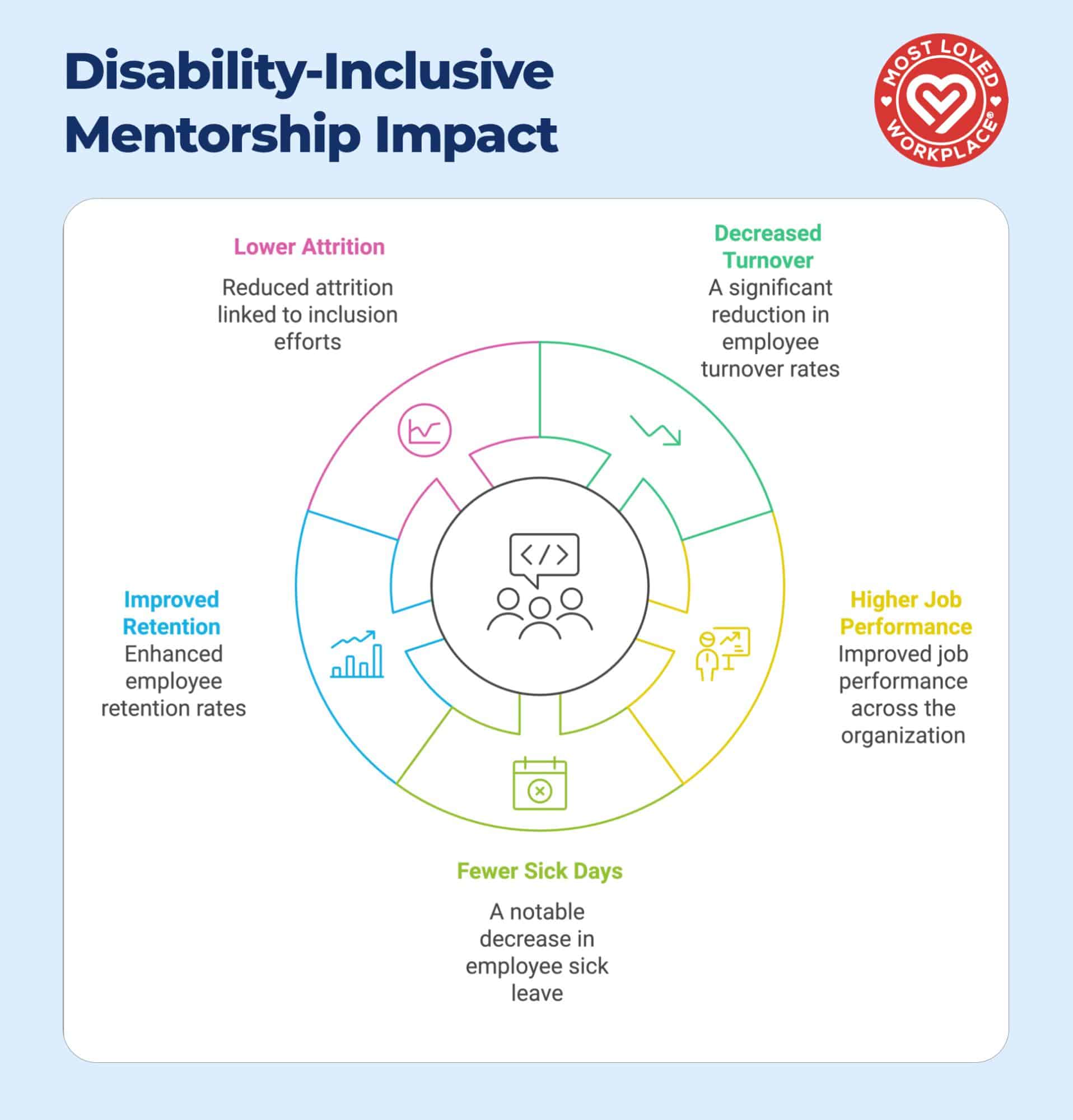
56% higher overall job performance among employees who feel they belong
|
|
Attendance
|
75% reduction in sick days taken
|
Beyond the Numbers: The Human Impact
As I’ve seen in my work with Most Loved Workplace®, the real power of inclusive mentorship lies in its ability to create emotional connections. When employees with disabilities have mentors who understand and support their unique perspectives, something magical happens. They don’t just stay – they thrive. Consider these key benefits:
- • Enhanced innovation through diverse perspectives
- • Stronger problem-solving capabilities
- • Improved team collaboration
- • Greater organizational resilience
- • Enhanced employer brand reputation
Want to dive deeper into the connection between engagement and retention? Check out our comprehensive guide on employee engagement and retention. The relationship between emotional connectedness and workplace success is also explored in our article about why emotional connectedness matters.
Remember, love isn’t just a soft skill – it’s a hard-core business strategy. When we create mentorship programs that truly embrace and support employees with disabilities, we’re not just doing the right thing; we’re building stronger, more resilient organizations.
Designing Your Disability-Inclusive Mentorship Program
Creating an effective disability-inclusive mentorship program isn’t about following a rigid template – it’s about building a flexible framework that adapts to individual needs while driving organizational success.
Let’s break down the essential elements that make these programs work.
Core Program Components
The most successful disability-inclusive mentorship programs combine structured support with personalized flexibility. Here’s your framework for success:
- Mentor-Mentee Matching
- • Consider expertise alignment
- • Account for communication preferences
- • Match based on career goals
- • Factor in accessibility needs
- Accessibility Integration
- • Provide assistive technologies
- • Ensure accessible meeting spaces
- • Offer flexible communication options
- • Support remote mentoring capabilities
- Professional Development Planning
- • Set clear career progression paths
- • Define measurable goals
- • Create skill development roadmaps
- • Establish regular check-ins
Tailoring Support for Success
Research shows that personalized mentorship makes a significant difference – 58.9% of mentees report that their mentoring relationship positively influenced their decision to stay with their organization. Here’s how to create that personalized experience:
Accommodation Considerations:
- • Flexible scheduling options
- • Modified communication methods
- • Accessible documentation formats
- • Adaptive mentoring techniques
Professional Growth Focus
As explored in our guide on why professional development makes good business sense, mentorship should align with clear career advancement opportunities. Consider these elements:
|
Development Area
|
Implementation Strategy
|
|---|---|
|
Leadership Skills
|
Paired projects with senior leaders
|
|
Technical Expertise
|
Customized training programs
|
|
Soft Skills
|
Role-playing exercises and feedback sessions
|
|
Industry Knowledge
|
Access to conferences and professional networks
|
Remember, the goal isn’t just to create a program – it’s to foster genuine connections that drive both personal growth and business success. When we design these programs with love and intention, we create spaces where everyone can truly excel.
Building a Culture of Belonging
A successful mentorship program isn’t just about matching mentors with mentees – it’s about creating an environment where everyone feels valued, understood, and supported. Let’s explore how to build this foundation of belonging.
Creating a Foundation of Understanding
True inclusion starts with awareness and grows through consistent action. Here’s how to build that foundation:
Essential Training Components:
- • Disability awareness workshops
- • Unconscious bias training
- • Inclusive communication practices
- • Accessibility best practices
- • Mental health awareness
Fostering Psychological Safety
As we’ve discovered at Most Loved Workplace®, psychological safety is crucial for mentorship success. Here’s your action plan:
|
Action Item
|
Implementation Strategy
|
|---|---|
|
Open Dialogue
|
Regular feedback sessions and safe spaces for discussion
|
|
Clear Communication
|
Multiple channels for sharing concerns and ideas
|
|
Visible Support
|
Leadership advocacy and resource allocation
|
|
Consistent Recognition
|
Celebration of inclusive practices and success stories
|
Addressing Unconscious Bias
Let’s be honest – we all have biases. The key is acknowledging and actively working to overcome them. Consider these strategies:
- Regular Assessments
- • Conduct bias audits in mentorship matching
- • Review promotion patterns
- • Analyze feedback mechanisms
- Active Intervention
- • Implement blind matching processes
- • Use structured evaluation criteria
- • Provide bias interruption training
Flexible Work Arrangements
Flexibility isn’t just about where people work – it’s about how they work best. Our research shows that accommodating different working styles and needs leads to higher engagement and retention. Consider:
- • Hybrid mentoring options
- • Flexible meeting schedules
- • Customizable communication methods
- • Adaptive work environments
For more insights on building an inclusive workplace, check out our guide on creating a diverse and inclusive workplace. And don’t miss our comprehensive resource on maintaining a strong organizational culture.
Remember: Culture isn’t what we say – it’s what we do consistently. Every interaction in your mentorship program is an opportunity to demonstrate your commitment to inclusion.
By focusing on these cultural elements, you’re not just creating a program – you’re building a workplace where everyone can thrive. And that’s where the magic of retention really happens.
Measuring Success and ROI
Let’s talk numbers – because while love might be our driving force, data proves our impact. A strategic approach to measuring your mentorship program’s success isn’t just about tracking numbers; it’s about understanding the real value you’re creating.
Key Performance Indicators (KPIs)
Effective measurement combines both quantitative metrics and qualitative feedback to paint a complete picture of success.
Essential Metrics to Track:
|
Metric Category
|
What to Measure
|
Why It Matters
|
|---|---|---|
|
Retention
|
Year-over-year retention rates
|
Direct impact on cost savings
|
|
Engagement
|
Participation rates, satisfaction scores
|
Indicates program effectiveness
|
|
Career Progress
|
Promotion rates, skill development
|
Shows professional growth
|
|
Program Health
|
Meeting frequency, goal achievement
|
Measures program sustainability
|
Understanding the Financial Impact
The numbers tell a compelling story. Consider this: replacing an employee can cost between 100% to 150% of their annual salary. But here’s the good news – organizations implementing effective mentorship programs are seeing remarkable returns. For example, Cardinal Health achieved a 50% improvement in retention rates, resulting in $5.2 million in retention savings.
Cost-Benefit Analysis Framework:
- • Program Costs:
- • Training and development resources
- • Technology platforms
- • Staff time and coordination
- • Accommodation provisions
- • Program Benefits:
- • Reduced turnover costs
- • Increased productivity
- • Enhanced innovation
- • Improved employer brand value
Measuring Qualitative Impact
Numbers tell only part of the story. For a complete understanding of your program’s impact, consider these qualitative measures:
- Employee Success Stories
- Career Progression Narratives
- Mentor Feedback Reports
- Team Culture Assessments
- Leadership Development Tracking
For a deeper dive into performance analysis, check out our guide on how to evaluate your business to make data-driven decisions.
Regular Assessment Cycle
Implement a regular assessment cycle to ensure continuous improvement:
- • Monthly: Track participation and engagement metrics
- • Quarterly: Review retention and progression data
- • Bi-annually: Conduct comprehensive program evaluations
- • Annually: Calculate ROI and set new targets
Remember, the goal isn’t just to collect data – it’s to use these insights to continuously improve your program and demonstrate its value to stakeholders. When you can show both the human impact and the business benefits, you create a compelling case for ongoing investment in inclusive mentorship.
Implementation Best Practices
Now comes the exciting part – turning theory into action. As someone who’s helped numerous organizations transform their workplace cultures, I can tell you that successful implementation requires both strategic planning and heartfelt commitment.
Step-by-Step Implementation Guide
Success in implementing disability-inclusive mentorship programs comes from careful planning, clear communication, and consistent execution.
- Program Foundation
- • Form a diverse steering committee
- • Define clear program objectives
- • Establish success metrics
- • Create implementation timeline
- Resource Allocation
- • Budget planning
- • Technology assessment
- • Staff assignments
- • Training resources
- Program Launch
- • Pilot program initiation
- • Feedback collection
- • Adjustment period
- • Full-scale rollout
Navigating Common Challenges
Let’s address the typical hurdles you might face and how to overcome them:
|
Challenge
|
Solution
|
|---|---|
|
Limited Resources
|
Start small, demonstrate ROI, scale gradually
|
|
Resistance to Change
|
Share success stories, provide clear benefits
|
|
Communication Barriers
|
Implement multiple communication channels
|
|
Maintaining Momentum
|
Regular check-ins, celebrate small wins
|
Timeline Considerations
A realistic timeline helps set expectations and ensure success:
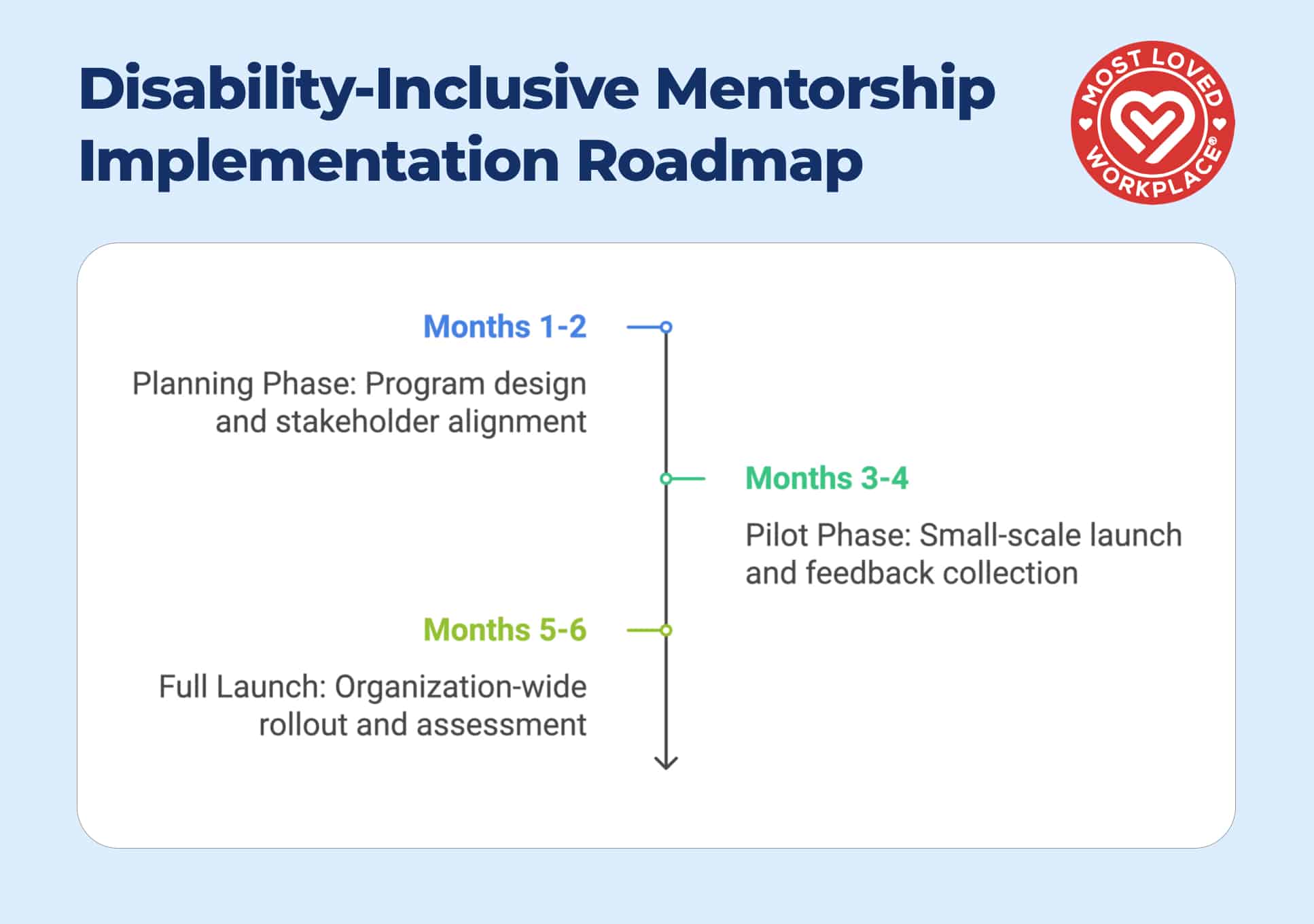
Month 1-2: Planning Phase
- • Program design finalization
- • Stakeholder alignment
- • Resource allocation
- • Initial communications
Month 3-4: Pilot Program
- • Small-scale implementation
- • Feedback collection
- • Process refinement
- • Success measurement
Month 5-6: Full Launch
- • Organization-wide rollout
- • Comprehensive training
- • Monitoring systems activation
- • Regular assessment begins
Pro Tip: Remember, implementation isn’t a race – it’s about creating sustainable change that becomes part of your organizational DNA.
For more insights on creating lasting cultural change, explore our guide on improving company culture. And if you’re working toward certification, check out our 5 steps to achieve Most Loved Workplace certification.
Keys to Sustainable Success
Focus on these elements to ensure long-term program success:
- • Regular program assessment and refinement
- • Ongoing stakeholder engagement
- • Continuous learning and adaptation
- • Recognition and celebration of success
Remember, implementing a disability-inclusive mentorship program isn’t just about following steps – it’s about creating a movement within your organization that celebrates and supports every individual’s potential.
Final Thoughts
Implementing a disability-inclusive mentorship program isn’t just about retention – it’s about creating a workplace where every employee can thrive, contribute, and feel truly valued.
Key Takeaways
Let’s recap the essential elements of successful disability-inclusive mentorship:
- • Structured programs with flexible implementation
- • Strong focus on cultural transformation
- • Clear metrics for measuring success
- • Sustainable implementation strategies
The business case is clear: organizations that embrace inclusive mentorship see:
- • Higher retention rates
- • Improved employee performance
- • Enhanced innovation capabilities
- • Stronger employer brand
Your Next Steps
Ready to transform your workplace through inclusive mentorship? Here’s how to begin: 1. Assess your current mentorship practices 2. Identify areas for improvement 3. Build your implementation roadmap 4. Start with a pilot program 5. Measure and adjust as needed
Remember: Every step toward inclusion is a step toward becoming a Most Loved Workplace® where talent doesn’t just stay – they thrive.
Ready to take your workplace culture to the next level? Learn more about Most Loved Workplace certification and join organizations that are leading the way in creating truly inclusive workplaces.
The journey to creating an inclusive workplace through mentorship may seem challenging, but the rewards – both human and business – make it one of the most important investments you can make in your organization’s future.

Building a Thriving Workplace Culture!
Discover how to leverage the right technology and implement a proactive strategy that cultivates talent and facilitates team collaboration.
Take the next step on your employer brand
Three ways to move from reading to results. Pick what fits your stage.
Run your CertCheck report
See how AI systems currently describe your employer brand to candidates.
Get My Free ReportApply for certification
Measure your organization on the Love of Workplace Index® and join 1,800+ certified companies.
Start ApplicationTalk to a Strategic Advisor
Walk through your Employer Branding & Certification Insights report with a specialist.
Keep reading
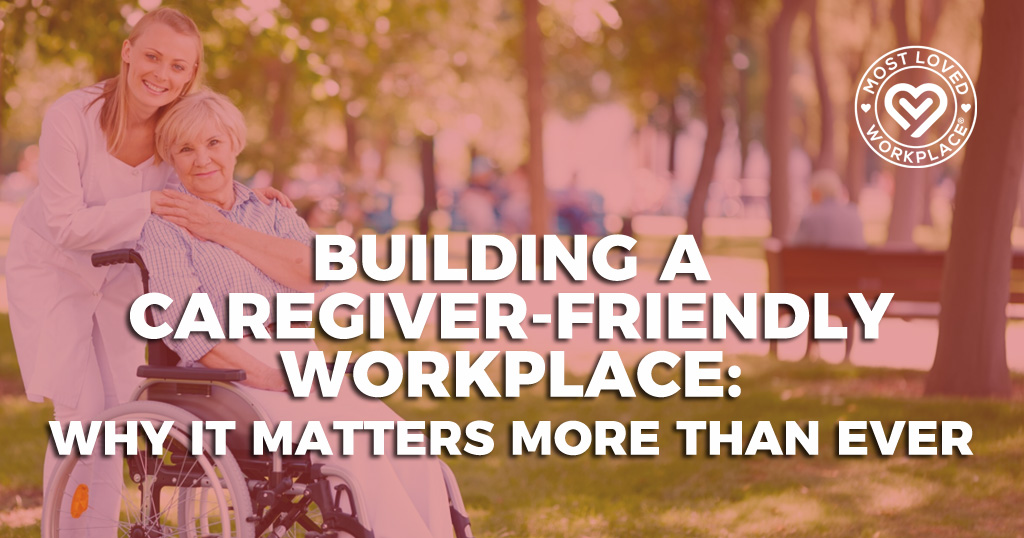
Building a Caregiver-Friendly Workplace: Why It Matters More Than Ever
Building a Caregiver-Friendly Workplace: Why It Matters More Than Ever Direct Answer A caregiver-friendly workplace is an organization that designs policies, manager practices, and measurement systems to support employees with ongoing caregiving responsibilities while maintaining productivity and retention. Research shows caregiving affects a majority of full-time employees and directly reduces work hours, focus, and retention […]
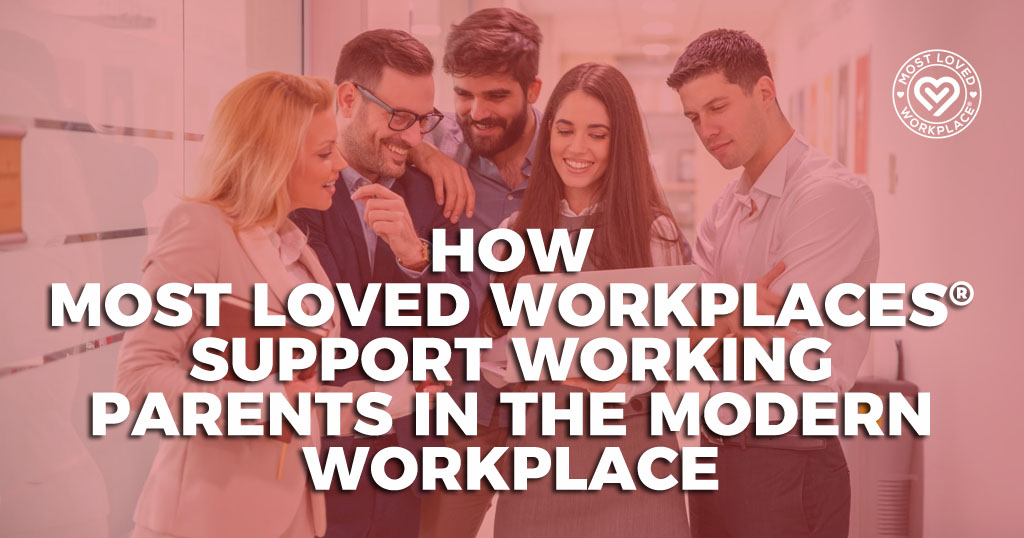
How Most Loved Workplaces® Support Working Parents in the Modern Workplace
How Most Loved Workplaces® Support Working Parents in the Modern Workplace Why Family Support Matters in Today’s Workplace Most Loved Workplace®–certified organizations recognize that working parents face persistent challenges in balancing professional and family responsibilities. Research from Deloitte shows that 95% of women say workplace flexibility is critical to managing work and home demands. When […]
Employee Well-Being Strategy: Building a Workplace Where People Thrive
Employee Well-Being Strategy: Building a Workplace Where People Thrive Employee well-being is no longer a “nice to have.” It is becoming a core part of how companies protect performance, retain talent, and earn trust. Workplace stress is already widespread. The American Psychological Association’s 2023 Work in America survey found that 77% of workers reported work-related […]