Proven Strategies for Employee Retention in Diverse Workplaces
Proven Strategies for Employee Retention in Diverse Workplaces 7 min. read If you and your company understand the importance of keeping your diverse team happy and productive then here’s how the team at MostLovedWorkplace® suggest that you can achieve this in 2025 and beyond: Create a welcoming environment Start mentoring programs Offer competitive pay and […]
Proven Strategies for Employee Retention in Diverse Workplaces

7 min. read
If you and your company understand the importance of keeping your diverse team happy and productive then here’s how the team at MostLovedWorkplace® suggest that you can achieve this in 2025 and beyond:
- Create a welcoming environment
- Start mentoring programs
- Offer competitive pay and benefits
- Provide skill development opportunities
- Support employee resource groups
- Allow flexible work arrangements
- Act on employee feedback
- Promote diverse leadership
Why it matters:
• Replacing an employee can cost up to 200% of their salary
• Diverse companies outperform peers by 21%
• 86% of Gen Z job seekers care about workplace diversity
Quick look at how various strategies for employee retention can impact your company positively:
Table of Contents
|
Strategy
|
Impact
|
|---|---|
|
Welcoming workplace
|
43% more employee commitment
|
|
Mentoring
|
Increases engagement and retention
|
|
Fair pay
|
82% of workers more productive
|
|
Learning opportunities
|
94% of workers stay longer
|
|
Employee groups
|
70% of Gen Z more likely to apply
|
|
Flexible work
|
Cuts stress by 20%
|
|
Employee feedback
|
80% engagement vs. 40% without
|
|
Diverse leadership
|
21% higher profitability
|
These aren’t just nice-to-haves. They’re must-haves for any company that wants to thrive in today’s diverse workplace.
Retention Strategies for a Diverse & Inclusive Workforce
Create a Welcoming Workplace
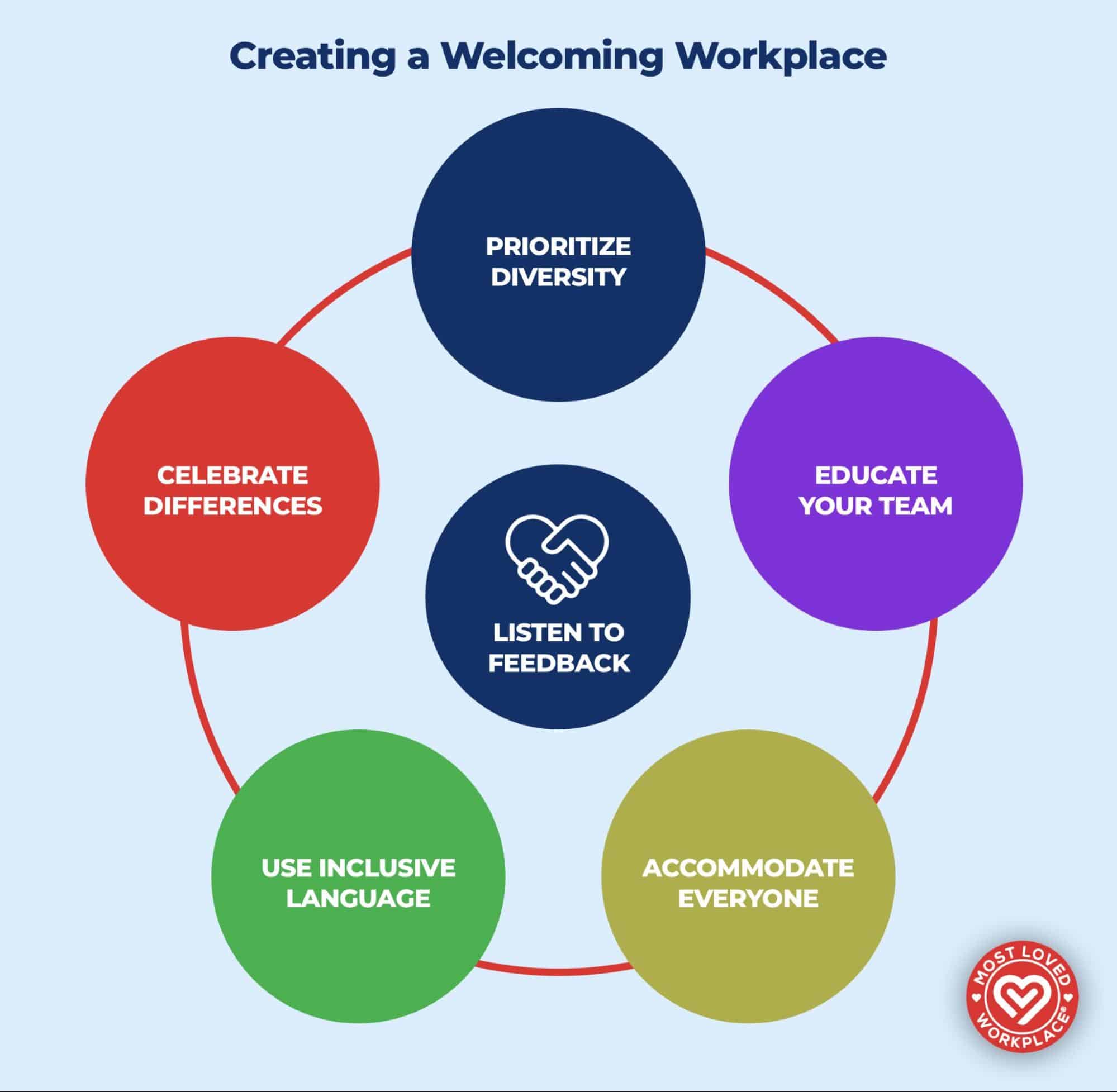
A welcoming workplace is crucial for employee retention. Here’s how to make it happen:
Prioritize diversity: Make it a core part of your company’s mission.
Educate your team: Start diversity and inclusion training from day one.
Celebrate differences: Host events that showcase various backgrounds.
Use inclusive language: Train your team on appropriate words and pronouns.
Accommodate everyone: Create spaces like gender-neutral bathrooms and quiet areas.
Listen to feedback: Implement an “open-door” policy for employee thoughts and feelings.
Here’s a real-world example:
“The key to inclusion is understanding who your employees really are.”
Baker McKenzie, a large law firm, put this into practice:
• They asked women why they weren’t pursuing partner roles
• Implemented a flexible work program
• Result: Women partner promotions jumped from 26% to 40% in 3 years
Another company banned weekend emails and Friday meetings after learning about employee stress. This simple change boosted happiness and reduced stress levels.
Bottom line: A welcoming workplace isn’t just nice – it’s essential for team retention and business growth.
2. Start Mentoring Programs
Mentoring programs boost employee retention, especially in diverse workplaces. They help staff grow and see a future with the company.
Here’s how to set up an effective program:
- Define clear goals
What do you want to achieve? Maybe it’s better onboarding, preparing juniors for promotion, or knowledge transfer from retiring staff.
McGraw Hill Standard and Poor’s found that mentoring led to higher employee engagement and retention.
- Choose the right people
Pick mentors who are experts, good listeners, and excited to share knowledge. For mentees, focus on promotion-ready staff, new hires, and underrepresented groups.
- Match carefully
Pair based on expertise, learning styles, and career goals. Consider cross-cultural matches to boost understanding.
- Provide structure
Give clear guidelines on meeting frequency, topics, and feedback. Train both mentors and mentees.
- Track progress
Monitor relationships, gather feedback, and track KPIs. Randstad found mentored employees were 49% less likely to leave.
- Make it part of your culture
Promote mentoring during onboarding, recognize success, and use it for leadership development.
“Mentorship isn’t just a nice-to-have. It’s a must-have for any organization committed to true diversity and inclusion.” – Matthew Reeves, CEO of Together
3. Offer Good Pay and Benefits
Money talks. But it’s not just about the paycheck. A mix of good pay and solid benefits can make people stick around.
Here’s what works:
Fair Pay for All
Pay everyone the same for the same job. Sounds simple, right? But many companies mess this up. When you pay fairly:
• People feel valued
• You avoid legal issues
• Employees stay longer
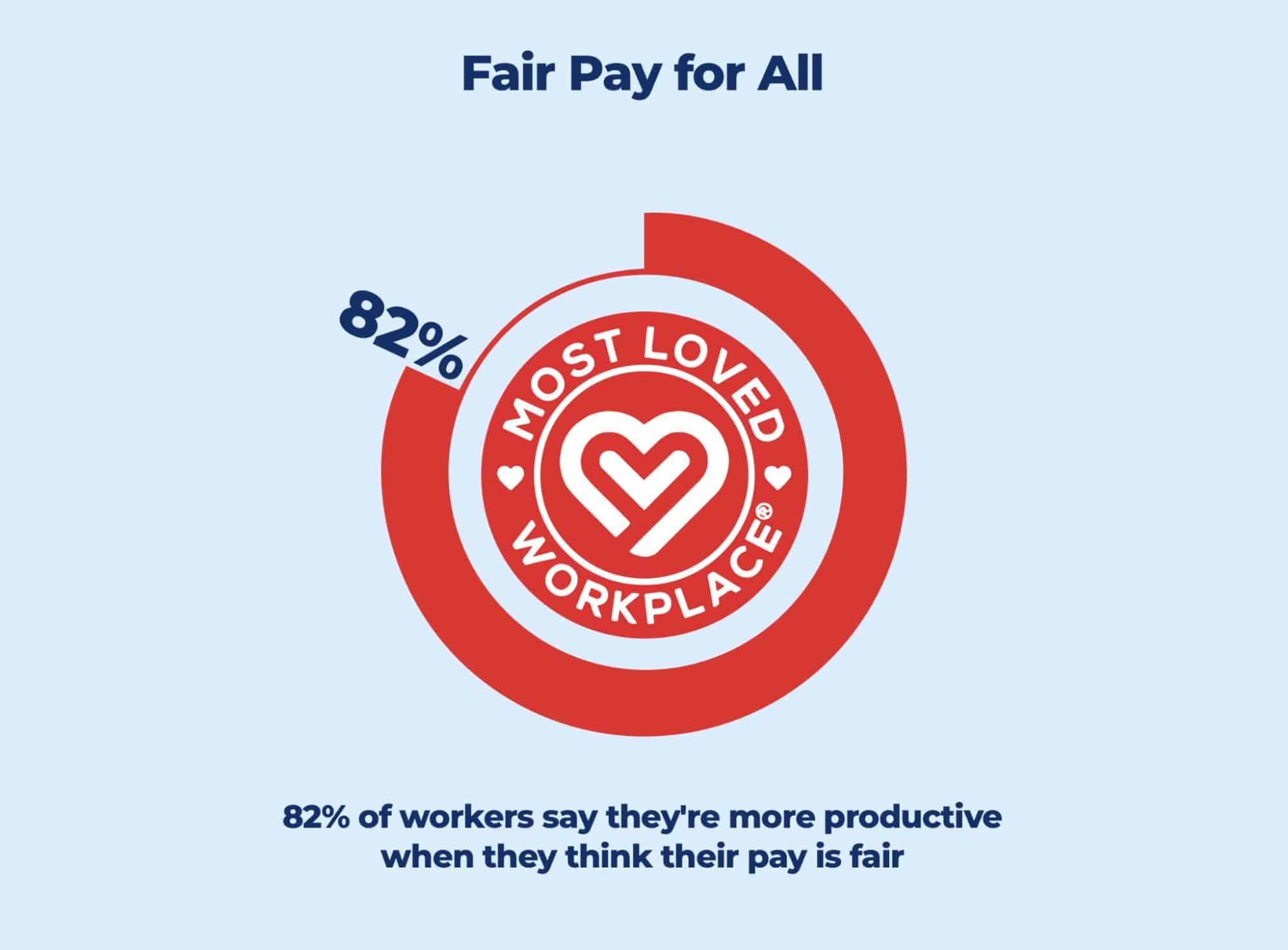
In fact, 82% of workers say they’re more productive when they think their pay is fair.
Health Benefits That Matter
Health insurance is a must. But don’t stop there. Think about:
• Dental and vision plans
• Mental health support
These extras make a big difference. 42% of Gen Z and 30% of Millennials have thought about switching jobs just for better health benefits.
Retirement Plans
Help your team save for the future. A 401(k) with company matching shows you care about their long-term well-being.
Time Off
People need breaks. Some companies are trying unlimited PTO. It lets workers take time when they need it, which can boost work-life balance.
Ask What People Want
Don’t guess. Ask your team what benefits they’d like. You might be surprised. Chipotle found that offering education help kept people around 3.5 times longer.
Here’s a quick look at what matters most to employees:
|
Benefit
|
Why It's Important
|
|---|---|
|
Fair Pay
|
Makes people feel valued
|
|
Health Insurance
|
Gives peace of mind
|
|
Retirement Plans
|
Shows you care about their future
|
|
Time Off
|
Helps with work-life balance
|
|
Education Help
|
Can boost loyalty
|

Building a Thriving Workplace Culture!
Discover how to leverage the right technology and implement a proactive strategy that cultivates talent and facilitates team collaboration.
Good pay and benefits aren’t just nice to have. They’re key to keeping your team happy and on board. When people feel taken care of, they’re more likely to stick around and do their best work.
“Knowledge is power. Salary transparency and equitable pay policies (like salary bands) give employees leverage to achieve fair wages, regardless of their privilege, or lack thereof.” – Dana Theus, Author and Leadership Coach.
4. Give Chances to Learn New Skills
Want to keep your team? Help them grow. Simple as that.
Here’s the deal:
94% of workers would stick around if a company invested in their careers. And 75% of those who get promotions stay for at least 3 years.
So, how do you make this happen?
Set Up a Learning Culture
Make learning part of your company’s DNA. Amazon does this with their Training Academy. It lets workers learn at their own pace and even switch to tech roles without experience.
Create Clear Career Paths
Show people where they can go. GE Digital nails this with their Career Discovery tool. Employees input their skills and interests, and it shows them matching roles in the company.
Offer Different Ways to Learn
Mix it up:
• Classroom training
• Online courses
• Mentoring
• Job shadowing
• Stretch projects
Fidelity Investments has a cool approach. Their customer support reps learn a new skill in the morning, use it with real customers in the afternoon, and then discuss it with others.
Make Learning Part of the Job
Don’t just talk about it. Make it happen:
• Set learning goals in performance reviews
• Give time for training during work hours
• Reward people who learn new skills
Focus on Fairness
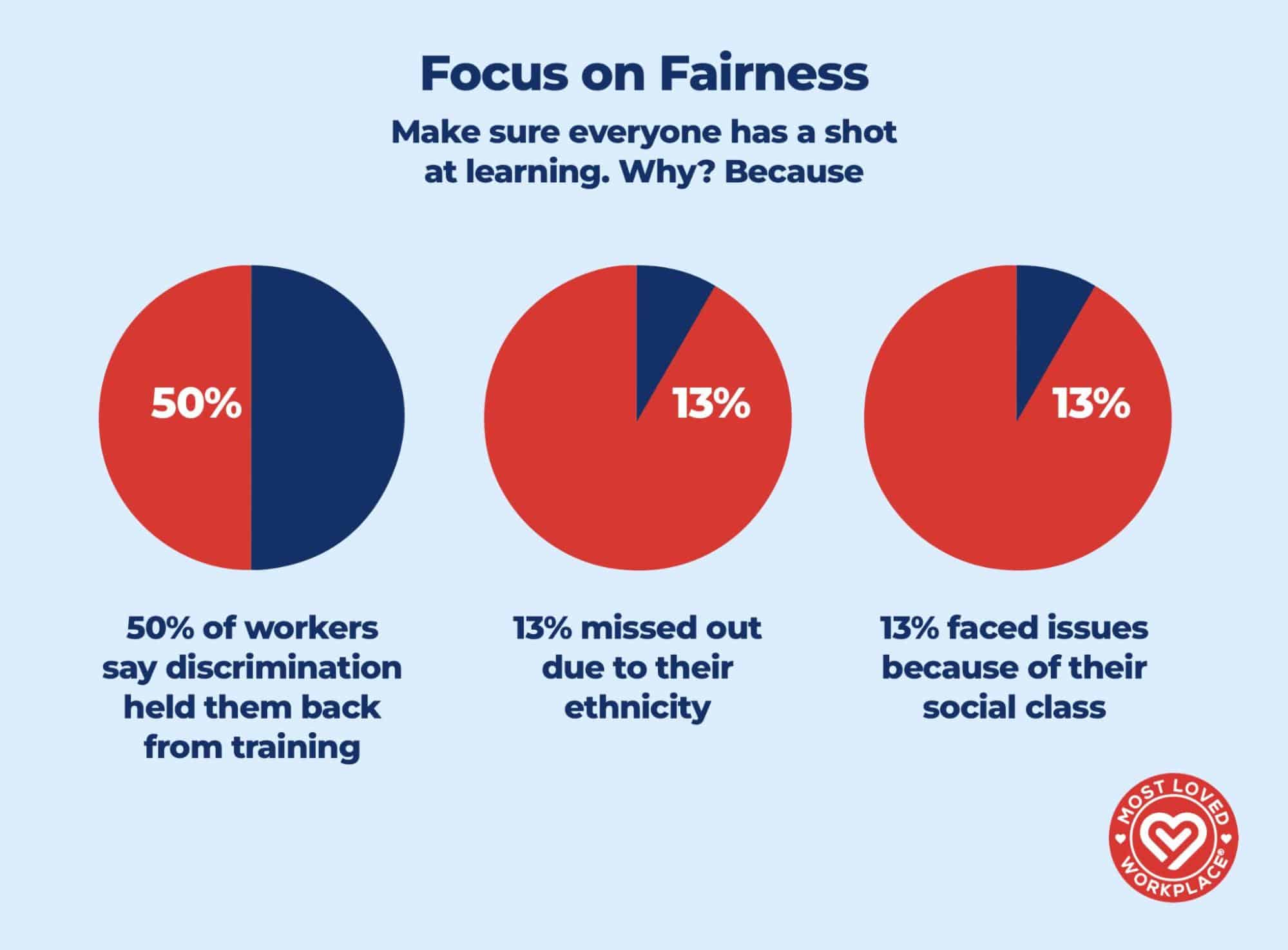
Make sure everyone has a shot at learning. Why? Because:
• 50% of workers say discrimination held them back from training
• 13% missed out due to their ethnicity
• 13% faced issues because of their social class
Pick training that works for everyone, no matter their role or background.
Ask What People Want
Don’t guess what skills your team needs. Ask them. Then, make it happen.
When you do all this, you’ll see results. Companies that focus on learning have 30-50% better retention rates. Not too bad, right?
5. Support Employee Groups
Want to keep your diverse team happy? Help them connect. That’s where Employee Resource Groups (ERGs) come in.
ERGs are employee-led groups based on shared traits or experiences. They’re not just social clubs – they’re powerful tools for retention and engagement.
Here’s the deal:
• 70% of Gen Z workers are more likely to apply to companies with ERGs
• Over 50% of employees across all ages say ERGs make them more likely to stay
So, how do you make ERGs work?
Give Them Resources
ERGs need support to thrive. Provide meeting spaces, communication tools, and a budget (even a small one helps). Paycor backs several ERGs:
|
ERG Name
|
Purpose
|
|---|---|
|
Colorful Connections
|
Supports diverse employees
|
|
WIN (Women's Inspiration Network)
|
Empowers women
|
|
MAP (Mental Awareness Project)
|
Tackles mental health stigma
|
Get Leadership Involved
ERGs need more than just HR support. They need executives on board.
Microsoft does this well. They have nine ERGs, each with executive sponsors. These sponsors help ERGs push for change and connect with top leadership.
Listen and Act
ERGs are goldmines of feedback. Use it.
“Affinity groups can be a part of the planning, development and institutionalization of those strategies.” – Ayanna Cummings, director of diversity and inclusion at Compass Group at Microsoft
Let ERGs help shape your policies.
Reward Participation
Running an ERG takes time and effort. Recognize that work:
• Send ERG leaders to conferences
• Offer professional certifications
• Consider it in performance reviews
ERGs are doing work for your company. Treat it that way.
6. Allow Flexible Work Options
The workplace is changing. Companies are offering more flexible work options. Why? Because workers want it.
By 2024, over 2/3 of US companies plan to offer work location flexibility. A Randstad survey found 83% of US workers see this as key.
Here’s how some big companies do it:
Smaller companies are joining in:
• AccumTech: Core hours 10 AM to 3:30 PM, flexible outside that
• Rivet Work: 3 weeks PTO to start, remote work as needed
• Vetr Health: 4-day work week for vets, work-from-home for telehealth
Flexible work is a low-cost way to stand out. It can:
• Cut stress by 20%
• Boost job satisfaction by 62%
• Make 80% of workers more likely to choose your job
“The pandemic has shifted workplace flexibility from an optional benefit to an expected one.” – 2023 Talent Retention Report
Want to try it? Start small:
- Offer work-from-home days around holidays
- Try flexible start times
- Test a compressed workweek
Use data to find what works for your team. The goal? Happy, productive employees who stick around. That’s what flexible work can do for your diverse workplace.
7. Ask for and Use Employee Feedback
Want a happier, more engaged team? Ask what they think. Then do something about it.
Here’s why it works:
Companies that listen see 80% engagement. Those that don’t? Only 40%.
Engaged employees aren’t just happier. They’re:
• 18% more productive
• Part of companies that are 23% more profitable
How to get this feedback:
Use the right tools
|
Tool
|
Best For
|
Key Feature
|
Starting Price
|
|---|---|---|---|
|
Live feedback
|
Anonymous input
|
$11.99/month
|
|
|
Ongoing check-ins
|
Goal tracking
|
$4/user/month
|
|
|
Quick pulse checks
|
Digital high-fives
|
$3.50/user/month
|
Make it a habit
Don’t wait for yearly reviews. Get feedback often:
• Weekly team check-ins
• “Feedback Fridays” for company-wide talks
• Input after meetings or projects
Michael Nemeroff, CEO of Rush Order Tees, says:
“We’ve built a culture around real-time feedback by integrating apps with task management tools. It’s like having a conversation, but in real-time, right where the work is happening.“
Act on what you hear
Listening isn’t enough. Make changes based on feedback.
Maxime Bouillon, Co-founder & CEO of Archie, reports:
“We’ve observed a 25% decrease in turnover since embracing this (open) culture of feedback.“
Show you’re listening
Tell employees what you’re changing based on their input.
Emelie Linheden, VP of Marketing at Younium, tried this. The result? A 40% jump in employee engagement scores.
8. Put Diverse People in Leadership Roles
Want to keep your diverse team? Put them in charge.
Here’s the deal:
Companies with diverse leaders make 21% more money. They also make smarter choices and innovate faster.
How to do it:
Check your current leadership
Does it match your workforce? If not, time for a change.
Set clear goals
Don’t just talk about diversity. Set specific targets with deadlines.
|
Company
|
Goal
|
Timeline
|
|---|---|---|
|
Johnson & Johnson
|
35% racial diversity in management
|
Ongoing
|
|
50% diverse US leadership
|
Achieved
|
Start at the top
David Marriott, Marriott’s Board Chairman, says:
“We believe our company’s leadership should reflect the diverse customers we welcome into our hotels.“
Train your team
Sodexo nails this:
• Inclusion training for everyone
• Employee groups for different needs
• Programs to support diverse workers
Look beyond your usual suspects
Don’t just promote internally. Bring in fresh talent too.
Show it off
Flaunt your diverse leaders. It keeps current staff happy and attracts new ones.
86% of Gen Z job seekers care about diversity when job hunting. Show them you mean business.
Bottom line: Diverse leaders don’t just boost retention. They supercharge your entire business.
Final Thoughts
Keeping top talent is tough, especially when building a diverse team. But here’s the kicker: companies that nail diversity and inclusion outperform their peers. They make more money, innovate faster, and keep employees longer.
So, how do you do it? We’ve covered 8 key strategies:
- Create a welcoming workplace
- Start mentoring programs
- Offer good pay and benefits
- Give chances to learn new skills
- Support employee groups
- Allow flexible work options
- Ask for and use employee feedback
- Put diverse people in leadership roles
These aren’t just nice-to-haves. They’re MUST-HAVES for any company that wants to thrive.
Take Baker McKenzie. They bumped up their women partners from 26% to 40% in just three years. How? By listening to their employees and making real changes.
Or look at Johnson & Johnson. They’ve set a clear goal: 35% racial diversity in management.
The bottom line? Diversity isn’t a box to check. It’s a business strategy that pays off.
Here’s why these strategies matter:
|
Strategy
|
Why It Works
|
|---|---|
|
Welcoming workplace
|
Employees who feel included are 43% more committed
|
|
Mentoring programs
|
Helps underrepresented groups feel valued
|
|
Good pay and benefits
|
72% of people consider work-life balance when job hunting
|
|
Learning opportunities
|
76% of employees want to expand their careers
|
|
Employee groups
|
Connects people with similar backgrounds
|
|
Flexible work
|
Accommodates diverse employee needs
|
|
Employee feedback
|
Uncovers hidden issues affecting retention
|
|
Diverse leadership
|
Companies with diverse leaders make 21% more money
|
This isn’t a one-and-done deal. It’s an ongoing process.
Keep listening to your team. Keep making changes. Keep pushing for better.
Your diverse workforce isn’t just good for society. It’s good for business. So don’t just hire diverse talent. Work hard to keep them.
FAQs
How to retain a diverse team?
Keeping a diverse team isn’t just about hiring. Here’s what actually works:
- Check your data
Are diverse employees leaving faster? Why? Look at your numbers.
- Fair hiring
Use blind resumes and diverse interview panels. Cut the bias.
- Smart onboarding
Make it inclusive. Pair new hires with mentors they can relate to. (Check out these onboarding best practices here)
- Fair reviews
Don’t let performance reviews favor certain groups. Train managers on bias.
- Diverse leadership
Put diverse people in charge. It shows others they can make it too.
- Create belonging
Don’t just chase diversity numbers. Make everyone feel at home.
“People don’t leave companies, they leave managers.” – Andrew McCaskill, LinkedIn Career Expert
This is why good management matters. Train your leaders to support everyone equally.
How to retain staff of color?
It’s tough. Here’s why:
• 55% of high-performing people of color plan to leave their job
• 29% of Black professionals are thinking about quitting
To fix this:
- Clear growth paths
Show how to get promoted. 43% of staff of color don’t know.
- Build networks
Help staff of color connect. But don’t judge if it takes time.
- Train managers
Teach leaders to build confidence in everyone.
- Allow authenticity
Let people be themselves at work. Hiding hurts job satisfaction and performance.
- Get feedback
Create safe ways for staff to share their experiences.
“Those who feel confident they can achieve their career goals and that they belong are four times more likely to stay with their employers.” – Management Leadership for Tomorrow
Feeling like you belong and can grow – that’s key for keeping people around. Make it happen in your workplace.
Take the next step on your employer brand
Three ways to move from reading to results. Pick what fits your stage.
Run your CertCheck report
See how AI systems currently describe your employer brand to candidates.
Get My Free ReportApply for certification
Measure your organization on the Love of Workplace Index® and join 1,800+ certified companies.
Start ApplicationTalk to a Strategic Advisor
Walk through your Employer Branding & Certification Insights report with a specialist.
Keep reading
Building a Caregiver-Friendly Workplace: Why It Matters More Than Ever
Building a Caregiver-Friendly Workplace: Why It Matters More Than Ever Direct Answer A caregiver-friendly workplace is an organization that designs policies, manager practices, and measurement systems to support employees with ongoing caregiving responsibilities while maintaining productivity and retention. Research shows caregiving affects a majority of full-time employees and directly reduces work hours, focus, and retention […]
How Most Loved Workplaces® Support Working Parents in the Modern Workplace
How Most Loved Workplaces® Support Working Parents in the Modern Workplace Why Family Support Matters in Today’s Workplace Most Loved Workplace®–certified organizations recognize that working parents face persistent challenges in balancing professional and family responsibilities. Research from Deloitte shows that 95% of women say workplace flexibility is critical to managing work and home demands. When […]
Employee Well-Being Strategy: Building a Workplace Where People Thrive
Employee Well-Being Strategy: Building a Workplace Where People Thrive Employee well-being is no longer a “nice to have.” It is becoming a core part of how companies protect performance, retain talent, and earn trust. Workplace stress is already widespread. The American Psychological Association’s 2023 Work in America survey found that 77% of workers reported work-related […]