Boosting Veteran Success: How Employee Engagement and Wellbeing Leads to Better Outcomes
Boosting Veteran Success: How Employee Engagement and Wellbeing Leads to Better Outcomes 8 min. read. Veterans bring a unique set of skills to civilian jobs, yet they often encounter challenges when transitioning from military to civilian life. Here’s a detailed guide on how companies can proactively support veteran success, ensuring their skills are utilized and […]
Boosting Veteran Success: How Employee Engagement and Wellbeing Leads to Better Outcomes
8 min. read.
Veterans bring a unique set of skills to civilian jobs, yet they often encounter challenges when transitioning from military to civilian life. Here’s a detailed guide on how companies can proactively support veteran success, ensuring their skills are utilized and valued in the workplace, ultimately leading to improved outcomes and enjoyment in the workplace for both the veterans and the organization.
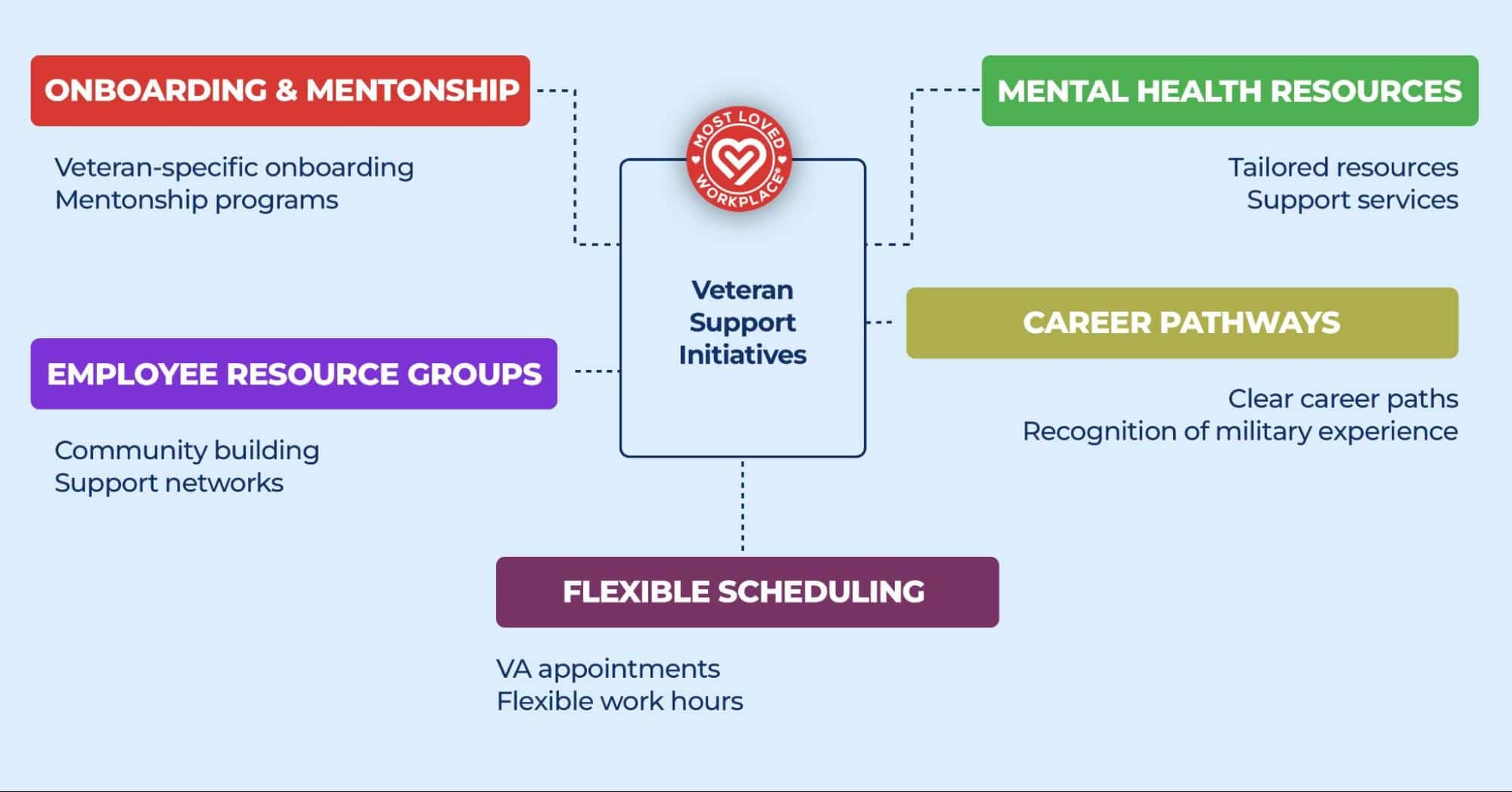
- • Create veteran-specific onboarding and mentorship programs
- • Offer mental health resources tailored to veteran needs
- • Provide clear career paths that value military experience
- • Establish veteran employee resource groups
- • Implement flexible scheduling for VA appointments
Table of Contents
Key benefits of supporting veterans:
|
Benefit
|
Impact
|
|---|---|
|
Higher retention
|
Veterans stay ~4 years longer
|
|
Increased productivity
|
Veteran hires often outperform others
|
|
Improved teamwork
|
Military experience boosts team performance
|
|
Better leadership
|
Veterans excel at leading under pressure
|
To measure success:
- • Track veteran hiring, retention, and promotion rates
- • Compare veteran vs. non-veteran employee performance
- • Calculate ROI of veteran support programs
Supporting veterans isn’t just good karma – it’s smart business. When companies invest in veteran success, everyone wins.
Veterans in the Workplace: Key Challenges
Switching from military to civilian life isn’t easy. Veterans face unique obstacles when they trade their uniforms for business attire. Let’s dive into their biggest hurdles:
Common Barriers During Career Change
Lost in Translation
Military lingo doesn’t always click in civilian jobs. Vets often struggle to “civilianize” their resumes and explain their skills in corporate terms.
“Bridging the gap between veteran job seekers and hiring teams is crucial. The first step?
Translating the needs of both parties into a common language.” – Robyn Grable, Founder and CEO of Talents ASCEND and Veterans ASCEND
Missing Paperwork
Many vets have the skills but lack the certificates civilians expect. It’s frustrating to be capable of doing the job but not having the right document to prove it.
Culture Shock
The military and corporate worlds are vastly different. Vets often feel adrift without the clear hierarchy and sense of purpose they’re used to.
|
Military Culture
|
Civilian Workplace
|
|---|---|
|
Clear chain of command
|
Flatter hierarchies
|
|
Mission-driven
|
Profit-driven
|
|
Strict protocols
|
More flexibility
|
|
Strong camaraderie
|
Individual focus
|
Invisible Battles
Some vets carry the weight of trauma or injuries, making their transition even tougher:
- • 32% of all veterans report “emotionally traumatic or distressing” events during service
- • This jumps to 43% for post-9/11 vets
- • 10% of all vets suffered serious injuries (16% for post-9/11 vets)
Military Skills in Civilian Jobs
Veterans bring a wealth of skills to the table, but these often get lost in translation:
Vets excel at leadership under pressure, teamwork, adaptability, problem-solving, and have strong discipline and work ethic. However, they struggle with:
- • Translating military roles to civilian job titles
- • Explaining specialized skills to civilian employers
- • Adapting to less structured work environments
Here’s the kicker: Nearly 200,000 vets face job search struggles each year. Only 1 in 4 have a job lined up when they leave the service. That’s a lot of untapped potential!
But there’s hope. Some forward-thinking companies are realizing the value vets bring:
- • Dow treats military experience like a college degree in their hiring process
- • Veterans ASCEND, founded by Navy vet Robyn Grable, uses AI to match vets with jobs based on skills, not just titles
The bottom line? Veterans face real challenges in the civilian workplace. But with the right support and understanding, they can excel in their new careers. It’s time for more companies to tap into this incredible talent pool.
Making Veterans Feel Welcome at Work
Want to create a workplace where veterans thrive? Here’s how to make it happen:
Support Military Veterans
Implement Veteran-Friendly Policies
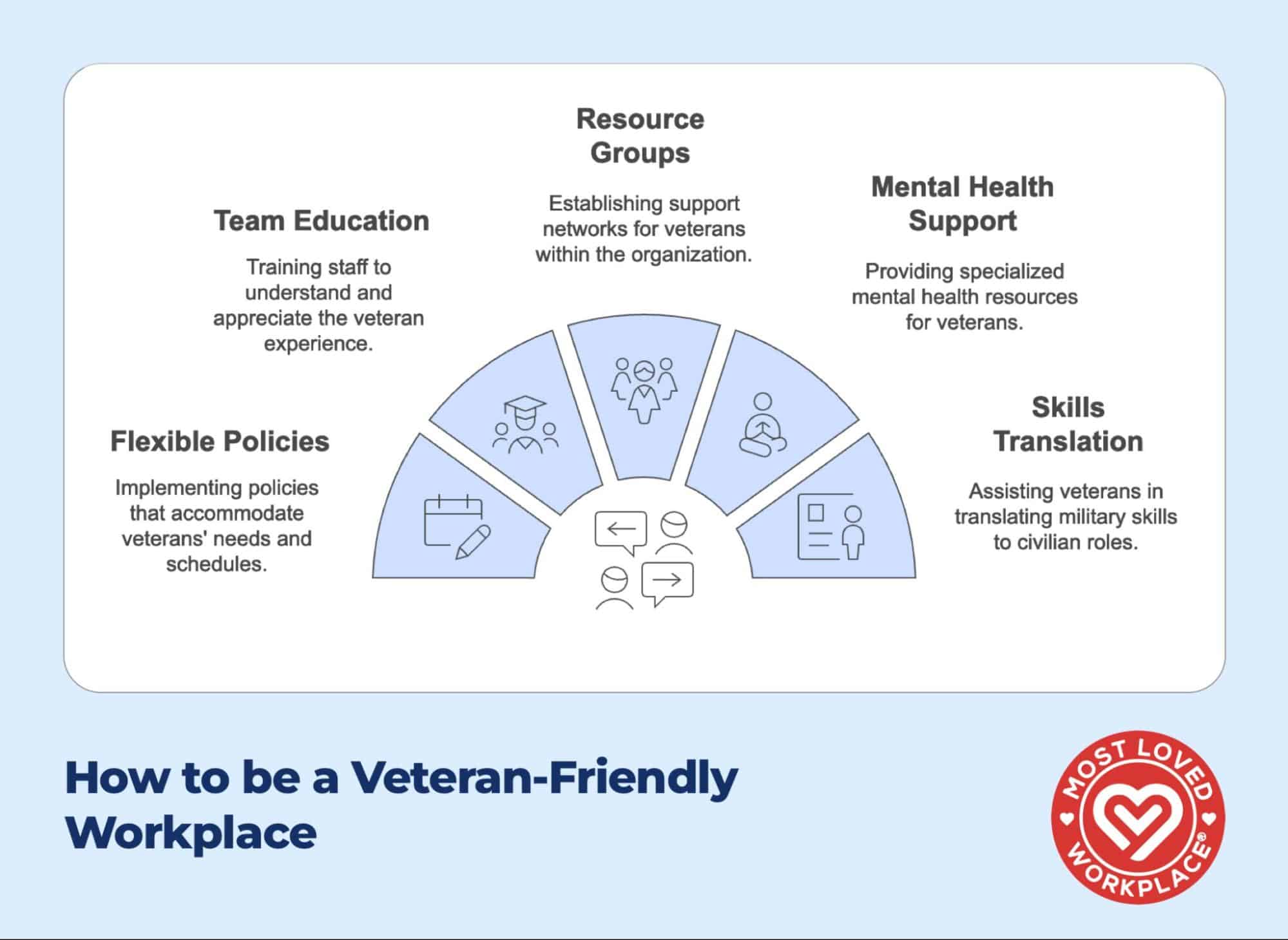
Give veterans the flexibility they need. Offer PTO for VA appointments and counseling. Show clear paths for career growth. And don’t forget to celebrate their service company-wide.
Educate Your Team
Your staff needs to understand the veteran experience. Train them on military culture, transition challenges, and how to tap into veterans’ unique skills.
Create Veteran Resource Groups
Set up an Employee Resource Group (ERG) for veterans. It’s a great way to build community, offer peer support, and create mentorship opportunities.
“A veteran-informed culture helps vets connect with their new work environment. It boosts engagement, benefiting both the veteran and the company.” – Meghan Devine Golden
Provide Mental Health Support
Veterans often face unique mental health challenges. Offer specialized counseling services and mental wellness resources. Train managers to spot signs of distress.
Translate Military Skills
Help vets showcase their abilities. Create a military skills translator tool. Train HR to understand military roles. Offer resume writing workshops tailored for veterans.
Better Ways to Connect
Implement a Buddy System
Pair new veteran hires with experienced employees. It helps vets navigate company culture, understand workplace norms, and build social connections.
Encourage Open Communication
Create an environment where veterans feel comfortable asking questions. Explain workplace jargon and expectations. Give regular feedback on performance and integration.
Organize Team-Building Activities
Plan events that promote camaraderie and allow veterans to showcase their leadership skills. It’s a great way to bridge the gap between military and civilian employees.
Leverage Technology
Use digital platforms to create online veteran communities within your company. Share resources and success stories. Set up digital mentorship programs.
Partner with Veteran Organizations
Team up with groups like Veterans ASCEND. They can help improve your veteran hiring practices, provide support resources, and keep you informed about veteran-related issues.
Getting Veterans More Involved at Work
Want to boost veteran success in your workplace? Let’s go beyond just hiring them. Here’s how to get your veteran employees more engaged and set them up for long-term success.
Veteran Groups and Mentors
Creating a strong support network is key. Here’s what works:
Launch a Veteran Employee Resource Group (ERG)
Veteran ERGs are a powerful way for vets to connect and tackle workplace challenges together.
They offer:
- • Peer Support: Veterans connect with others who “get it”
- • Mentorship: Experienced vets guide newcomers
- • Advocacy: ERGs work with leadership to improve the veteran experience
“ERGs contribute to career advancement by offering professional development opportunities, networking, and advocacy within the organization.” – Veterans Network @Comcast
Organizations with strong diversity and inclusion programs (including ERGs) see big benefits:
|
Improvement
|
Percentage
|
|---|---|
|
Better decisions
|
87%
|
|
Higher revenues
|
19%
|
|
Increased profitability
|
21%
|
Set Up a Veteran Mentorship Program
Mentorship is a game-changer for transitioning vets. Here’s why:
- • Veterans typically change jobs at least twice in their first few years of civilian employment
- • It takes an average of three positions before vets find a long-term fit
To make mentorship work:
- Pair new veteran hires with experienced employees (veteran or civilian)
- Focus on translating military skills to civilian roles
- Guide vets on company culture and unwritten rules
- Offer career pathing advice
BAE Systems’ “Warrior Integration Program” is a great example. It includes a Veteran Mentorship Program that helps wounded warriors and their families transition to civilian life, offering both personal and professional support.
Career Growth Options
Veterans bring incredible skills to the table. Your job? Help them shine in their new environment.
Skill Translation and Development
- Create a Military Skills Translator: Help vets and hiring managers see how military experience applies to your roles.
- Offer Targeted Training: Find the gaps between military and civilian skills, then provide focused training to bridge them.
- Highlight Transferable Skills: Leadership, teamwork, adaptability – these are gold in any workplace. Help vets showcase these abilities.
Clear Career Paths
Veterans thrive with structure and clear objectives. Make advancement opportunities crystal clear:
|
Career Stage
|
Action Items
|
|---|---|
|
Entry-Level
|
- Outline skills needed for promotion
- Provide mentorship on company-specific knowledge |
|
Mid-Career
|
- Offer leadership development programs
- Create opportunities to lead cross-functional projects |
|
Senior-Level
|
- Provide executive coaching
- Encourage participation in industry leadership roles |
Lockheed Martin is doing this right. They host 170 hiring events annually, reaching over 19,000 transitioning service members. They offer skill matching and career counseling services to help vets find the right fit and grow within the company.
Want to take it a step further? Partner with organizations like MVPvets (Mentoring Veterans Program) that connect veterans with mentors in specific industries. This tailored approach helps vets transition into roles that benefit both them and your company.
Taking Care of Veterans’ Health
Veterans face unique health challenges when transitioning to civilian life. Smart employers know that supporting veteran health is a win-win. Here’s how companies can boost veteran wellbeing and success.
Mental Health Help and Emergency Support
Mental health is crucial for veteran care. Here’s how to make it work:
Offer Specialized Resources
Veterans need access to mental health pros who get their experiences. Consider:
- • Partnering with the VA for on-site counseling
- • Covering telehealth for PTSD and other veteran-specific issues
- • Creating an Employee Assistance Program (EAP) with veteran options
Train Your Team
Educate managers and coworkers about veteran mental health:
- • Train on spotting signs of PTSD and other common veteran mental health issues
- • Teach ways to support veterans during tough times
- • Tackle the stigma around seeking mental health help
Create a Crisis Plan
Be ready for emergencies:
- • Set up a clear protocol for mental health crises
- • Make sure everyone knows about the Veterans Crisis Line (988, then press 1)
- • Train HR and managers on handling urgent situations
“If your stress feels overwhelming, call the Veterans Crisis Line. Dial 988, then press 1 or text 838255.” – Veterans Affairs
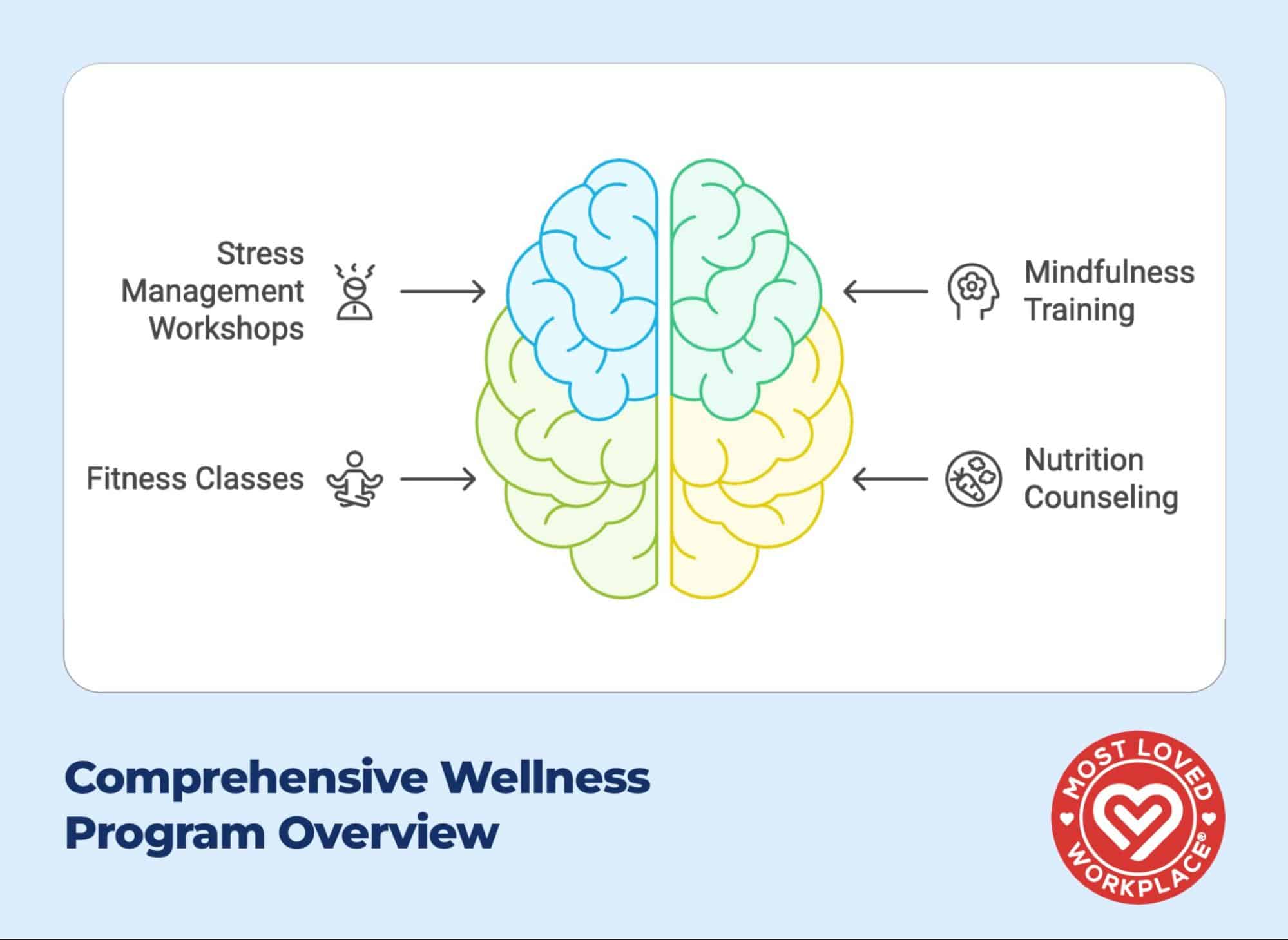
Promote Wellness Programs
Proactive care can prevent bigger issues:
|
Program
|
Benefits
|
|---|---|
|
Stress management workshops
|
Less anxiety, better coping skills
|
|
Mindfulness training
|
Fewer PTSD and depression symptoms
|
|
Fitness classes
|
Better mood, less stress
|
|
Nutrition counseling
|
Better overall health and energy
|
Making Time for Life Outside Work
Work-life balance is key for veteran wellbeing. Here’s how to support it:
Flexible Scheduling
Give veterans the flexibility they need:
- • Offer flexible start/end times for VA appointments
- • Allow remote work when possible
- • Provide extra PTO for mental health days or veteran needs
Encourage Healthy Habits
Create a culture that values self-care:
- • Offer on-site yoga or meditation
- • Provide standing desks and ergonomic workstations
- • Promote regular breaks and time off
Support Social Connections
Veterans often miss military camaraderie. Help them build new connections:
- • Start a veteran employee resource group (ERG)
- • Organize team-building activities that showcase veteran leadership
- • Partner with groups like Team Red, White & Blue for social and physical activities
Whole Health Approach
The VA’s Whole Health program offers a great model:
- • Encourage veterans to use the Personal Health Inventory tool
- • Offer health coaching to help veterans set and achieve wellness goals
- • Provide access to therapies like acupuncture or tai chi
Checking if Programs Work
You’ve set up programs to support your veteran employees. But are they actually making a difference? Let’s look at some practical ways to measure the impact of your veteran initiatives.
Tracking Program Results
Numbers tell the story. Here’s how to use data to see if your veteran support programs are working:
Hiring Metrics
Keep an eye on:
- • How many veterans you’re hiring
- • What percentage of your new hires are veterans
- • How well veterans do in your hiring process
Performance and Retention
Look beyond just getting veterans in the door:
- • Compare how veterans perform versus other employees
- • Check if veterans are staying with your company longer
- • See how often veterans get promoted
“Companies have good reasons to hire veterans. They bring leadership skills, can handle crises, work well in teams, and adapt quickly. Plus, they often have solid technical skills.” – Dr. Deborah Bradbard, Senior Research Associate at Syracuse University’s D’Aniello Institute for Veterans and Military Families (IVMF)
ROI Calculations
Do the math to see the bottom-line impact:
- • Figure out how much you’re saving by keeping employees longer
- • Look at productivity improvements
- • Check customer satisfaction scores for teams with veteran employees
Real-World Example
Proseal America, a food packaging company, found that hiring veterans through Bradley-Morris gave them a steady stream of highly motivated workers. Within a year, these veteran hires were outperforming other service technicians.
Regular vs. Veteran-Focused Programs
Not all employee programs are the same. Here’s how standard programs compare to veteran-specific ones:
|
Aspect
|
Regular Programs
|
Veteran-Focused Programs
|
|---|---|---|
|
Onboarding
|
Basic company intro
|
Helps with military-to-civilian switch
|
|
Mentorship
|
General employee mentoring
|
Pairs new hires with experienced vets
|
|
Training
|
Standard skill building
|
Translates military skills to civilian jobs
|
|
Mental Health Support
|
Basic counseling services
|
Specialized help for PTSD and transition issues
|
|
Career Development
|
Normal advancement paths
|
Clear paths that value military experience
|
|
Social Integration
|
Regular team activities
|
Veteran groups and networking events
|
Pro Tip: Use the Most Loved Workplace® certification to see how your veteran programs stack up against other companies. Their survey can show you where you’re doing well and where you need to improve.
Conclusion: Better Results Through Veteran Support
Supporting veterans in the workplace isn’t just good karma – it’s smart business. When companies invest in veteran success, everyone wins. Here’s why it matters:
Veterans who feel supported stick around longer. At the VA, engaged veterans stay about four years longer than their civilian counterparts. Companies like Proseal America have found that veteran hires often outperform other employees within their first year.
But it’s not just about retention and performance. Veterans bring unique leadership, teamwork, and problem-solving abilities that boost overall company performance. This translates to higher productivity and customer satisfaction, directly impacting the bottom line.
To truly support veterans, companies need to go beyond just hiring. Here’s what works:
|
Strategy
|
Impact
|
|---|---|
|
Veteran-specific onboarding
|
Smoother transition to civilian work
|
|
Mentorship programs
|
Higher job satisfaction and retention
|
|
Clear career paths
|
Increased veteran engagement and growth
|
|
Mental health support
|
Better overall wellbeing and productivity
|
It’s not enough to just implement these programs. Measuring their effectiveness is key.
Companies should track metrics like veteran hiring rates, retention, and performance to ensure their initiatives are making a real difference.
“If your company takes care of veterans, they will take care of you.” – Ashley Jones,
ClearedJobs.Net’s blog Editor
Next Steps: Get Your Workplace Certified
Want to take your veteran support up a notch? Consider getting certified as a Most Loved Workplace®. This certification:
- Measures your current veteran support efforts
- Benchmarks your programs against other top employers
- Provides actionable plans for improvement

Building a Thriving Workplace Culture!
Discover how to leverage the right technology and implement a proactive strategy that cultivates talent and facilitates team collaboration.
Take the next step on your employer brand
Three ways to move from reading to results. Pick what fits your stage.
Run your CertCheck report
See how AI systems currently describe your employer brand to candidates.
Get My Free ReportApply for certification
Measure your organization on the Love of Workplace Index® and join 1,800+ certified companies.
Start ApplicationTalk to a Strategic Advisor
Walk through your Employer Branding & Certification Insights report with a specialist.
Keep reading
Why Young Professionals Choose Where They Work Before They Ever Apply
Why Young Professionals Choose Where They Work Before They Ever Apply Every year, veterinary schools in the United States graduate a limited number of new veterinarians into a field with far more open positions than available candidates. The supply crisis in veterinary medicine isn’t new. What’s changed is how new vets, the vet techs and […]
The Workplaces Where People Can Actually Be Human
The Workplaces Where People Can Actually Be Human There is a question that does not show up on most employee surveys, but that determines almost everything about whether people stay, perform, and bring their real selves to work. The question is not whether they feel satisfied. It is not whether they would recommend the company […]
Your Next Hire Is Asking AI About You
Blog Your Next Hire Is Asking AI About You Best Practice Institute May 4, 2026 What ChatGPT Says About Your Company as an Employer — and Why Most HR Leaders Have Never Checked Somewhere right now, a candidate who just received your interview invitation is opening a new browser tab. They are not going to […]