In Recognition of Grandparents Month – How to Create an Age-Inclusive Workplace
In Recognition of Grandparents Month – How to create an Age-inclusive Workplace 4 Min. Read. September is Grandparents Appreciation Month and a great time to honor the wisdom and experience of older employees, it’s an opportune moment to reflect on the invaluable contributions that older employees make to our workplaces. With more individuals choosing to […]

Best Practices for Building an Age-Inclusive Workplace
Building an age-inclusive workplace requires challenging age-related biases and fostering an environment where all generations can thrive. Here are some best practices to guide your organization in this journey:
1. Raise Awareness and Provide Training
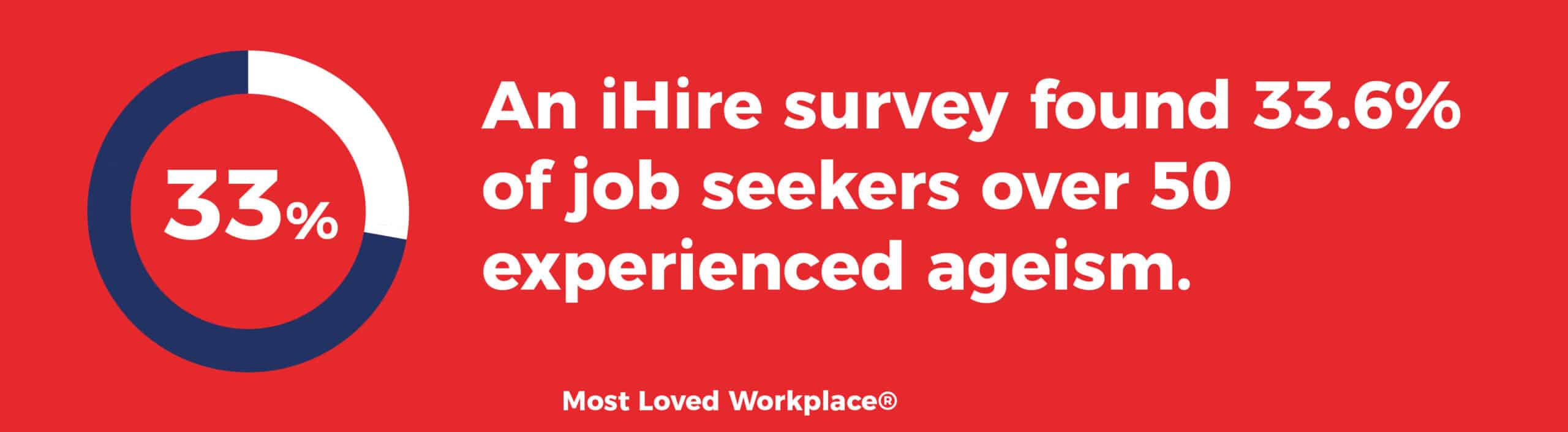
Awareness is the first step toward change. Educating your workforce about age discrimination and its negative impact is essential. Training programs that dispel myths and biases about different age groups can help build a culture of respect and understanding. For example, an iHire survey found that 33.6% of job seekers over 50 believed they experienced ageism during their job search, highlighting the need for awareness and training in combating these biases.
2. Encourage Intergenerational Collaboration
Promoting projects that span different age groups can foster employee collaboration and understanding. Intergenerational mentoring programs can be particularly effective, with older workers sharing their wealth of experience and younger employees bringing fresh perspectives and technological savviness. This mutual exchange enhances teamwork and boosts overall employee wellness by creating a supportive and inclusive work environment.
3. Implement Inclusive Hiring and Promotion Policies
To create a truly age-inclusive workplace, you must ensure that your hiring and promotion policies are free from age-related biases. Job descriptions, interviews, and promotions should focus on skills and performance rather than age. For instance, avoiding language like “recent graduate” in job postings can help prevent discouraging older candidates from applying.
4. Offer Flexible Working Arrangements
Flexibility in the workplace is increasingly important, especially for older employees who may prefer part-time work, remote options, or phased retirement plans. Offering these flexible arrangements not only accommodates the diverse needs of your workforce but also contributes to a healthier workplace culture where employees feel their personal and professional needs are respected.
5. Celebrate Contributions Across Generations
A key element of an age-inclusive workplace is recognizing and celebrating the contributions of all employees, regardless of age. Whether acknowledging milestones or highlighting the achievements of older workers, such celebrations can foster a culture of respect and appreciation that transcends generational divides.
Success Stories: Age-Inclusivity in Action
Several companies have already reaped the benefits of embracing age inclusivity:
- Barclays: The multinational banking firm runs the “Bolder Apprentices” program, which allows older workers to re-enter the workforce and upskill, promoting a diverse and inclusive environment.
- Google: Google’s “Greyglers” employee resource group supports employees over 40, providing a sense of community and a platform to address age-related issues.
- Goldman Sachs: The “Returnship” program at Goldman Sachs offers a paid internship for professionals returning to work after a career break, helping them refresh their skills and reintegrate into the workforce.
These examples illustrate how age-inclusive practices can lead to a more engaged, innovative, and dynamic workforce.
The Future of Age-Inclusive Workplaces
As people live and work longer, workplaces will inevitably become more generationally diverse. Companies that recognize and harness the strengths of all generations will thrive in this evolving landscape. A commitment to age inclusivity is not just about compliance or ethical responsibility; it’s about leveraging the full potential of your workforce to drive innovation and success.
Final Word: Create an age-inclusive Workplace to Honor Your Older Employees
Creating an age-inclusive workplace requires awareness, empathy, and ongoing commitment. By implementing these best practices, your organization can foster a culture where every employee feels valued and empowered regardless of age.
As we celebrate Grandparents Month, remember that creating an age-inclusive workplace is a powerful way to honor the contributions of older employees. At Most Loved Workplace®, we recognize companies that center the love and well-being of their employees in their business models.
If your organization is dedicated to fostering an inclusive, supportive, and thriving workplace culture, apply to be Most Loved Workplace® certified. Show the world how your company values and uplifts every generation in the workforce.
Take the next step on your employer brand
Three ways to move from reading to results. Pick what fits your stage.
Run your CertCheck report
See how AI systems currently describe your employer brand to candidates.
Get My Free ReportApply for certification
Measure your organization on the Love of Workplace Index® and join 1,800+ certified companies.
Start ApplicationTalk to a Strategic Advisor
Walk through your Employer Branding & Certification Insights report with a specialist.
Keep reading
Building a Caregiver-Friendly Workplace: Why It Matters More Than Ever
Building a Caregiver-Friendly Workplace: Why It Matters More Than Ever Direct Answer A caregiver-friendly workplace is an organization that designs policies, manager practices, and measurement systems to support employees with ongoing caregiving responsibilities while maintaining productivity and retention. Research shows caregiving affects a majority of full-time employees and directly reduces work hours, focus, and retention […]
How Most Loved Workplaces® Support Working Parents in the Modern Workplace
How Most Loved Workplaces® Support Working Parents in the Modern Workplace Why Family Support Matters in Today’s Workplace Most Loved Workplace®–certified organizations recognize that working parents face persistent challenges in balancing professional and family responsibilities. Research from Deloitte shows that 95% of women say workplace flexibility is critical to managing work and home demands. When […]
Employee Well-Being Strategy: Building a Workplace Where People Thrive
Employee Well-Being Strategy: Building a Workplace Where People Thrive Employee well-being is no longer a “nice to have.” It is becoming a core part of how companies protect performance, retain talent, and earn trust. Workplace stress is already widespread. The American Psychological Association’s 2023 Work in America survey found that 77% of workers reported work-related […]